How to incorporate mindfulness practices for effective stress relief takes center stage, offering a path to inner peace and resilience in our fast-paced world. Mindfulness, a practice rooted in ancient wisdom, invites us to cultivate present-moment awareness, gently observing our thoughts, feelings, and sensations without judgment.
This heightened awareness helps us navigate the ups and downs of life with greater clarity and equanimity, fostering a sense of calm amidst the chaos.
By incorporating mindfulness into our daily lives, we can learn to manage stress effectively, cultivate emotional well-being, enhance mental clarity, and even improve our physical health. From simple breathing exercises to mindful meditation, there are various techniques that can be tailored to suit individual needs and preferences.
This guide explores the science behind mindfulness, its benefits, and practical strategies for integrating these practices into our routines.
Understanding Mindfulness
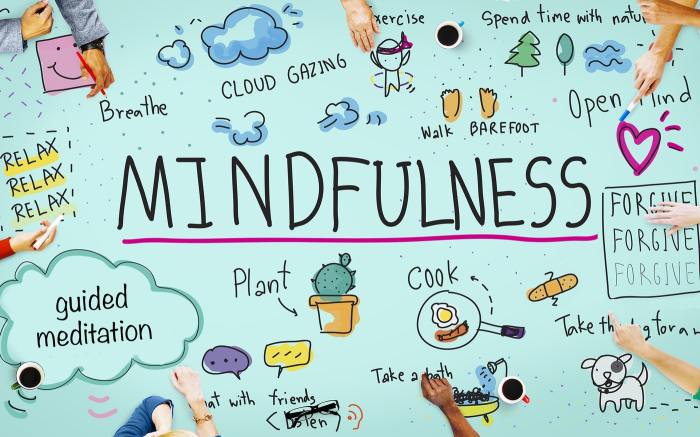
Mindfulness is a practice that involves paying attention to the present moment without judgment. It’s about being fully aware of your thoughts, feelings, sensations, and surroundings without getting carried away by them. Mindfulness is not about emptying your mind or achieving a state of bliss; it’s about observing your experiences with curiosity and acceptance.Mindfulness has become increasingly popular as a stress-relief technique, and research supports its effectiveness.
Studies have shown that mindfulness can reduce stress, anxiety, and depression, improve sleep quality, and enhance emotional regulation.
The Science Behind Mindfulness
Mindfulness has a profound impact on the brain and body. When we practice mindfulness, we activate specific areas of the brain associated with attention, awareness, and emotional regulation. This practice helps to strengthen these neural pathways, making it easier to stay present and manage stress.Mindfulness also influences the body’s stress response system.
Chronic stress can lead to the release of cortisol, a hormone that can have negative effects on both physical and mental health. Mindfulness helps to regulate the release of cortisol, reducing its negative impacts.
Mindfulness Practices
Mindfulness practices are diverse and can be tailored to individual preferences and needs. Some common examples include:
- Meditation: Meditation involves focusing on your breath or a specific object, such as a mantra or a candle flame. This practice helps to quiet the mind and cultivate a sense of presence.
- Yoga: Yoga combines physical postures, breathing exercises, and meditation. It promotes flexibility, strength, and balance, while also calming the mind and reducing stress.
- Deep Breathing Exercises: Deep breathing exercises, such as diaphragmatic breathing, can help to slow down the heart rate, lower blood pressure, and reduce anxiety. They involve taking slow, deep breaths and focusing on the sensation of your breath.
- Mindful Walking: Mindful walking involves paying attention to the sensations of walking, such as the movement of your feet, the feeling of the ground beneath you, and the sounds around you. It helps to bring your attention to the present moment and reduce stress.
- Body Scan Meditation: Body scan meditation involves bringing your attention to different parts of your body, noticing any sensations you experience, such as warmth, tingling, or pressure. This practice helps to increase body awareness and reduce stress.
Incorporating Mindfulness into Daily Life
Mindfulness is not just a practice you do for a few minutes each day. It’s a way of being present and aware in every moment, allowing you to experience life more fully. By incorporating mindfulness into your daily routines, you can cultivate a sense of calm and clarity, reducing stress and enhancing your overall well-being.
Practical Tips for Daily Mindfulness
Here are some practical ways to weave mindfulness into your daily life:
- Mindful Breathing:Take a few moments throughout the day to focus on your breath. Notice the rise and fall of your chest and abdomen, and simply observe the sensation of each inhale and exhale. This simple practice can help ground you in the present moment and release tension.
- Mindful Walking:Pay attention to the sensations of your feet on the ground, the movement of your body, and the sights and sounds around you. This can be done while walking to work, taking a break, or simply strolling in nature.
- Mindful Eating:Instead of rushing through meals, take the time to savor each bite. Notice the colors, textures, and flavors of your food. This practice can help you appreciate your meals more fully and prevent overeating.
- Mindful Body Scan:Start by focusing on your breath. Then, bring your attention to your body, starting with your toes and moving slowly upwards. Notice any sensations of warmth, tingling, or tightness. This practice can help you become more aware of your physical body and release tension.
Simple Mindfulness Practice
This short practice can be done anywhere, anytime:
Find a comfortable position.Close your eyes if you feel comfortable doing so. Bring your attention to your breath.Notice the rise and fall of your chest or abdomen. If your mind wanders, gently bring it back to your breath.Continue for 5-10 minutes.
Benefits of Mindfulness in Different Aspects of Life
- Work:Mindfulness can help you stay focused, manage distractions, and improve your ability to make decisions. It can also reduce stress and burnout.
- Relationships:Mindfulness can enhance your ability to listen actively, communicate effectively, and cultivate empathy and understanding in your relationships.
- Leisure Activities:Mindfulness can help you appreciate your leisure activities more fully, whether it’s reading, listening to music, or spending time in nature. It can also reduce boredom and enhance your sense of enjoyment.
Mindfulness for Stress Management
Mindfulness is a powerful tool for managing stress. By bringing awareness to the present moment, you can learn to observe your thoughts and feelings without judgment, allowing you to navigate stressful situations with greater ease and clarity.
Benefits of Mindfulness for Stress Management
Mindfulness can significantly reduce stress levels by promoting relaxation, improving emotional regulation, and enhancing self-awareness. When practiced regularly, mindfulness can help you:
- Reduce the intensity of stress responses:Mindfulness helps you recognize and observe your stress response, such as rapid heartbeat, muscle tension, or racing thoughts, without getting overwhelmed. This awareness allows you to manage these reactions more effectively.
- Increase emotional regulation:Mindfulness helps you become more aware of your emotions and develop strategies for managing them. You can learn to observe your feelings without judgment, allowing you to respond to stressful situations in a calmer and more balanced way.
- Improve focus and concentration:Mindfulness helps you train your mind to stay present, improving your ability to focus and concentrate. This can be particularly helpful in managing stress caused by demanding tasks or overwhelming situations.
- Reduce rumination and worry:Mindfulness encourages you to let go of negative thoughts and worries that contribute to stress. By bringing your attention to the present moment, you can interrupt the cycle of negative thinking and find a sense of peace.
- Enhance self-compassion:Mindfulness cultivates self-awareness and understanding, allowing you to treat yourself with kindness and compassion during stressful times. This can help you manage stress more effectively and avoid self-criticism.
Comparing Mindfulness with Other Stress Management Techniques
Mindfulness is not the only effective stress management technique. Other approaches, such as exercise, relaxation techniques, and cognitive behavioral therapy (CBT), can also be beneficial.
- Exercise:Physical activity releases endorphins, which have mood-boosting effects. Exercise can also help reduce muscle tension and improve sleep, both of which contribute to stress reduction.
- Relaxation Techniques:Techniques like deep breathing, progressive muscle relaxation, and meditation can help calm the nervous system and reduce stress levels.
- Cognitive Behavioral Therapy (CBT):CBT focuses on identifying and changing negative thought patterns and behaviors that contribute to stress. It can help you develop coping mechanisms and challenge unhelpful beliefs.
| Stress Management Technique | Focus | Key Benefits |
|---|---|---|
| Mindfulness | Present moment awareness | Reduced stress response, improved emotional regulation, enhanced focus, reduced rumination, increased self-compassion |
| Exercise | Physical activity | Endorphin release, reduced muscle tension, improved sleep, increased energy |
| Relaxation Techniques | Calming the nervous system | Reduced muscle tension, slowed heart rate, improved sleep, reduced anxiety |
| Cognitive Behavioral Therapy (CBT) | Identifying and changing negative thoughts and behaviors | Improved coping mechanisms, reduced negative thinking, increased self-efficacy |
Common Stressors and Mindfulness Solutions
Stress is a common experience, often triggered by various factors. Mindfulness can be a valuable tool for addressing these stressors:
- Work Stress:Mindfulness can help you manage work-related stress by promoting focus, reducing distractions, and improving your ability to handle demanding tasks.
- Relationship Stress:Mindfulness can help you communicate more effectively and respond to conflicts with greater understanding and compassion. It can also help you cultivate empathy and patience in your relationships.
- Financial Stress:Mindfulness can help you manage financial worries by promoting acceptance and reducing negative thoughts and feelings. It can also help you develop a more realistic and balanced perspective on your financial situation.
- Health Concerns:Mindfulness can help you cope with stress related to health concerns by promoting relaxation, reducing anxiety, and enhancing your ability to manage symptoms.
Mindfulness for Emotional Wellbeing
Mindfulness practices can be a powerful tool for improving emotional well-being. By cultivating present-moment awareness, we can gain greater understanding of our emotions, enhance our ability to regulate them, and build resilience in the face of challenges.
Mindfulness and Emotional Regulation
Mindfulness helps us become more aware of our emotions as they arise. This self-awareness allows us to observe our emotions without judgment, recognizing them as transient experiences rather than fixed identities. By detaching from our emotions, we can create space between the feeling and our reaction, allowing us to respond more effectively.
Mindfulness for Physical Health
Mindfulness practices extend beyond mental and emotional well-being, significantly impacting physical health. By cultivating present-moment awareness, mindfulness can influence physiological processes, leading to tangible health benefits.
The Link Between Mindfulness and Physical Health
Mindfulness has been scientifically linked to various positive physical health outcomes. Research indicates that regular mindfulness practice can contribute to reduced blood pressure, improved sleep quality, and enhanced immune function. For instance, a study published in the journal “Psychosomatic Medicine” found that mindfulness-based stress reduction (MBSR) programs effectively reduced blood pressure in individuals with hypertension.
Mindfulness for a Healthier Lifestyle
Mindfulness fosters a more conscious approach to lifestyle choices, encouraging healthier habits. By cultivating awareness of bodily sensations and cravings, individuals can make informed decisions about their diet, exercise, and overall well-being. For example, mindfulness can help individuals identify and manage emotional eating patterns, leading to healthier dietary choices.
Moreover, mindfulness can enhance motivation for physical activity, as individuals become more attuned to the positive physical sensations associated with movement.
Mindfulness and Physical Recovery
Mindfulness can play a supportive role in physical recovery from illness or injury. By focusing on the present moment, individuals can reduce stress and anxiety associated with their condition, promoting faster healing. Mindfulness practices can also help individuals cope with pain and discomfort, enabling them to engage in rehabilitation exercises more effectively.
A study published in the journal “Pain” found that mindfulness-based interventions reduced pain intensity and improved quality of life in individuals with chronic pain.
Mindfulness for Mental Clarity
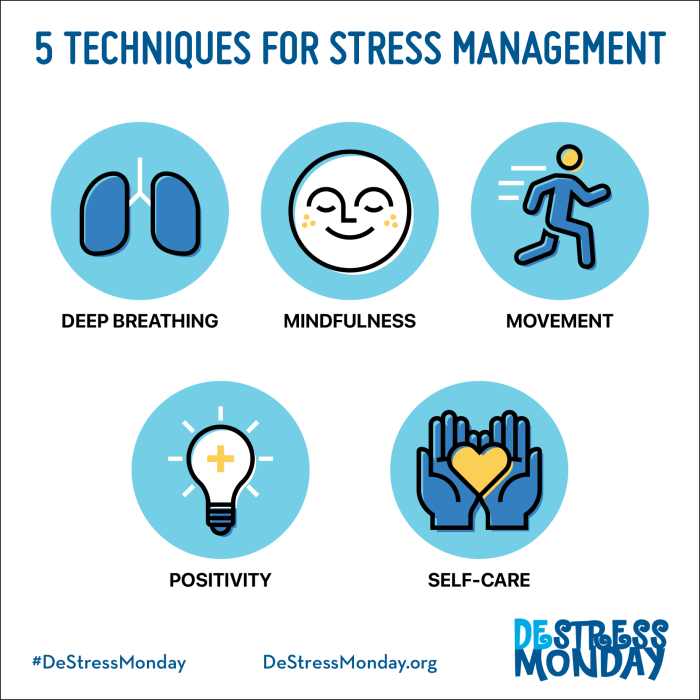
Mindfulness, with its emphasis on present-moment awareness, can significantly enhance our mental clarity, enabling us to focus better, concentrate more effectively, and improve our cognitive function. It helps us navigate the constant stream of thoughts and emotions, leading to a more balanced and focused mind.
The Role of Mindfulness in Enhancing Focus and Concentration
Mindfulness cultivates a heightened awareness of our thoughts and feelings without judgment. This non-judgmental observation allows us to identify and let go of distracting thoughts, leading to improved focus and concentration. By training our minds to stay present, we develop a greater ability to direct our attention where we choose, enhancing our ability to engage in tasks that require sustained focus.
Mindfulness for Improved Memory and Decision-Making
Mindfulness promotes a clear and receptive state of mind, which is crucial for optimal memory function. When we practice mindfulness, we become more attentive to our surroundings and the information we encounter, leading to better encoding and retrieval of memories.
This enhanced awareness also improves our decision-making abilities, as we are better able to assess situations and consider various options with a clear and focused mind.
Strategies for Using Mindfulness to Overcome Distractions and Enhance Mental Clarity, How to incorporate mindfulness practices for effective stress relief
Mindfulness offers various strategies to overcome distractions and achieve mental clarity:
- Mindful Breathing:Deep, conscious breaths help calm the mind and reduce stress, creating a more focused state.
- Body Scan Meditation:This practice involves systematically focusing on different parts of the body, bringing awareness to sensations and promoting a sense of groundedness.
- Mindful Walking:Paying attention to the sensations of walking, such as the movement of the feet and the rhythm of the breath, can bring a sense of presence and focus.
- Mindful Eating:Bringing awareness to the act of eating, focusing on the taste, texture, and aroma of food, can cultivate a more mindful approach to meals.
Mindfulness for Healthy Aging: How To Incorporate Mindfulness Practices For Effective Stress Relief
As we age, our bodies and minds naturally undergo changes. While some of these changes are inevitable, mindfulness practices can play a crucial role in promoting overall well-being and supporting healthy aging. By cultivating awareness and acceptance of the present moment, mindfulness can help us navigate the challenges of aging with greater resilience and ease.
Benefits of Mindfulness for Healthy Aging
Mindfulness can significantly enhance our quality of life as we age, fostering both mental and physical well-being.
- Reduced Stress and Anxiety: Age-related stressors, such as health concerns, financial worries, and social isolation, can significantly impact mental health. Mindfulness practices, such as meditation and deep breathing exercises, can help manage stress levels and promote feelings of calm and tranquility.
- Improved Cognitive Function: Studies have shown that mindfulness training can enhance cognitive function, including memory, attention, and executive control. These benefits can be particularly valuable as we age, helping to mitigate age-related cognitive decline.
- Enhanced Emotional Regulation: Mindfulness helps us develop greater awareness of our emotions and learn to manage them effectively. This can be particularly beneficial for navigating the emotional challenges of aging, such as grief, loss, and loneliness.
- Improved Sleep Quality: Sleep disturbances are common in older adults. Mindfulness practices, such as body scan meditation, can promote relaxation and improve sleep quality.
- Increased Compassion and Gratitude: Mindfulness cultivates a sense of compassion for ourselves and others. This can help us develop a more positive outlook on life and appreciate the present moment, even amidst challenges.
Mindfulness for Managing Age-Related Challenges
Mindfulness can be a valuable tool for managing common age-related challenges, such as cognitive decline and chronic conditions.
- Cognitive Decline: Mindfulness exercises, such as attention training and memory recall practices, can help improve cognitive function and slow down the progression of cognitive decline. For example, practicing mindful walking can enhance attention and focus, while mindful breathing exercises can improve memory and recall.
- Chronic Conditions: Mindfulness practices can help manage chronic conditions, such as arthritis, diabetes, and heart disease. By promoting relaxation and reducing stress, mindfulness can help alleviate symptoms and improve overall well-being. For example, mindful movement exercises can help manage pain and improve mobility in individuals with arthritis, while mindful breathing techniques can help regulate blood sugar levels in individuals with diabetes.
Mindfulness for a Fulfilling Life in Later Years
Mindfulness can contribute to a fulfilling and meaningful life in later years by fostering a sense of purpose, connection, and joy.
- Finding Meaning and Purpose: Mindfulness helps us connect with our values and priorities, leading to a greater sense of purpose and meaning in life. This can be particularly important as we transition into retirement and redefine our roles in society.
- Strengthening Relationships: Mindfulness cultivates empathy and compassion, fostering deeper connections with loved ones. By practicing mindful communication, we can enhance our relationships and create a supportive network for ourselves.
- Appreciating the Present Moment: Mindfulness helps us appreciate the simple joys of life and savor each moment. This can lead to a greater sense of contentment and gratitude, even in the face of challenges.
Final Review
In conclusion, incorporating mindfulness practices into our lives is a powerful tool for navigating the challenges of modern life. By cultivating present-moment awareness, we can cultivate emotional resilience, manage stress effectively, and enhance our overall well-being. Whether through meditation, deep breathing, or mindful movement, these practices offer a path to greater peace, clarity, and a sense of interconnectedness with ourselves and the world around us.
Questions Often Asked
What are some quick and easy mindfulness exercises I can do throughout the day?
Try a few minutes of mindful breathing, focusing on the rise and fall of your breath. You can also practice mindful walking, paying attention to the sensations of your feet on the ground and the movement of your body. Even taking a moment to appreciate the sights, sounds, and smells around you can be a simple yet powerful mindfulness practice.
How long does it take to see results from mindfulness practice?
The benefits of mindfulness can be experienced gradually over time. While some people may notice immediate effects, such as reduced anxiety, others may require consistent practice for several weeks or months to fully reap the rewards. It’s important to be patient and consistent with your practice.
Is mindfulness the same as meditation?
Meditation is one form of mindfulness practice, but mindfulness can be incorporated into many aspects of life. While meditation involves focused attention on the present moment, mindfulness can be practiced during everyday activities like walking, eating, or even listening to music.


More Stories