Top foods for promoting cardiovascular health and heart function are not just about preventing disease; they are about nourishing your body from the inside out. This comprehensive guide will explore the power of food to strengthen your heart, improve blood flow, and reduce the risk of heart disease.
From the vibrant colors of fruits and vegetables to the richness of healthy fats and the importance of protein, we’ll delve into the nutritional building blocks of a healthy heart.
We’ll explore how different food groups contribute to cardiovascular health, providing specific examples and meal planning tips. We’ll also address common misconceptions about heart-healthy eating, dispel myths, and provide evidence-based recommendations to guide your dietary choices.
Understanding Cardiovascular Health
A healthy cardiovascular system is crucial for overall well-being. It ensures that your heart and blood vessels function efficiently, delivering oxygen and nutrients to every part of your body. Maintaining cardiovascular health is essential for a long and healthy life.
Major Risk Factors for Cardiovascular Disease
Cardiovascular disease (CVD) encompasses a range of conditions that affect the heart and blood vessels. Several risk factors can increase your susceptibility to CVD.
- High Blood Pressure:Elevated blood pressure puts extra strain on your heart and arteries, increasing the risk of heart attacks, strokes, and other complications.
- High Cholesterol:High levels of LDL (“bad”) cholesterol can accumulate in your arteries, forming plaque that narrows the blood vessels and restricts blood flow.
- Smoking:Smoking damages blood vessels, increases blood pressure, and raises cholesterol levels, significantly increasing your risk of heart disease.
- Diabetes:Diabetes can damage blood vessels and increase the risk of heart disease, stroke, and peripheral artery disease.
- Obesity:Excess weight puts extra strain on your heart and increases your risk of developing other risk factors like high blood pressure and high cholesterol.
- Family History:A family history of heart disease can increase your chances of developing the condition.
- Age:The risk of heart disease increases with age.
- Lack of Physical Activity:Regular exercise helps maintain a healthy weight, lower blood pressure, and improve cholesterol levels.
- Unhealthy Diet:A diet high in saturated and trans fats, cholesterol, sodium, and sugar can increase your risk of heart disease.
- Stress:Chronic stress can increase blood pressure and contribute to other risk factors for heart disease.
Preventing Heart Disease Through Lifestyle Modifications
You can significantly reduce your risk of heart disease by adopting a healthy lifestyle.
- Eat a Heart-Healthy Diet:Focus on fruits, vegetables, whole grains, lean proteins, and healthy fats. Limit saturated and trans fats, cholesterol, sodium, and added sugars.
- Maintain a Healthy Weight:If you are overweight or obese, losing even a small amount of weight can make a significant difference in your heart health.
- Get Regular Exercise:Aim for at least 30 minutes of moderate-intensity exercise most days of the week.
- Quit Smoking:Quitting smoking is one of the best things you can do for your heart health.
- Manage Stress:Find healthy ways to manage stress, such as exercise, yoga, meditation, or spending time in nature.
- Get Regular Checkups:See your doctor regularly for blood pressure, cholesterol, and blood sugar checks.
Top Foods for Heart Health
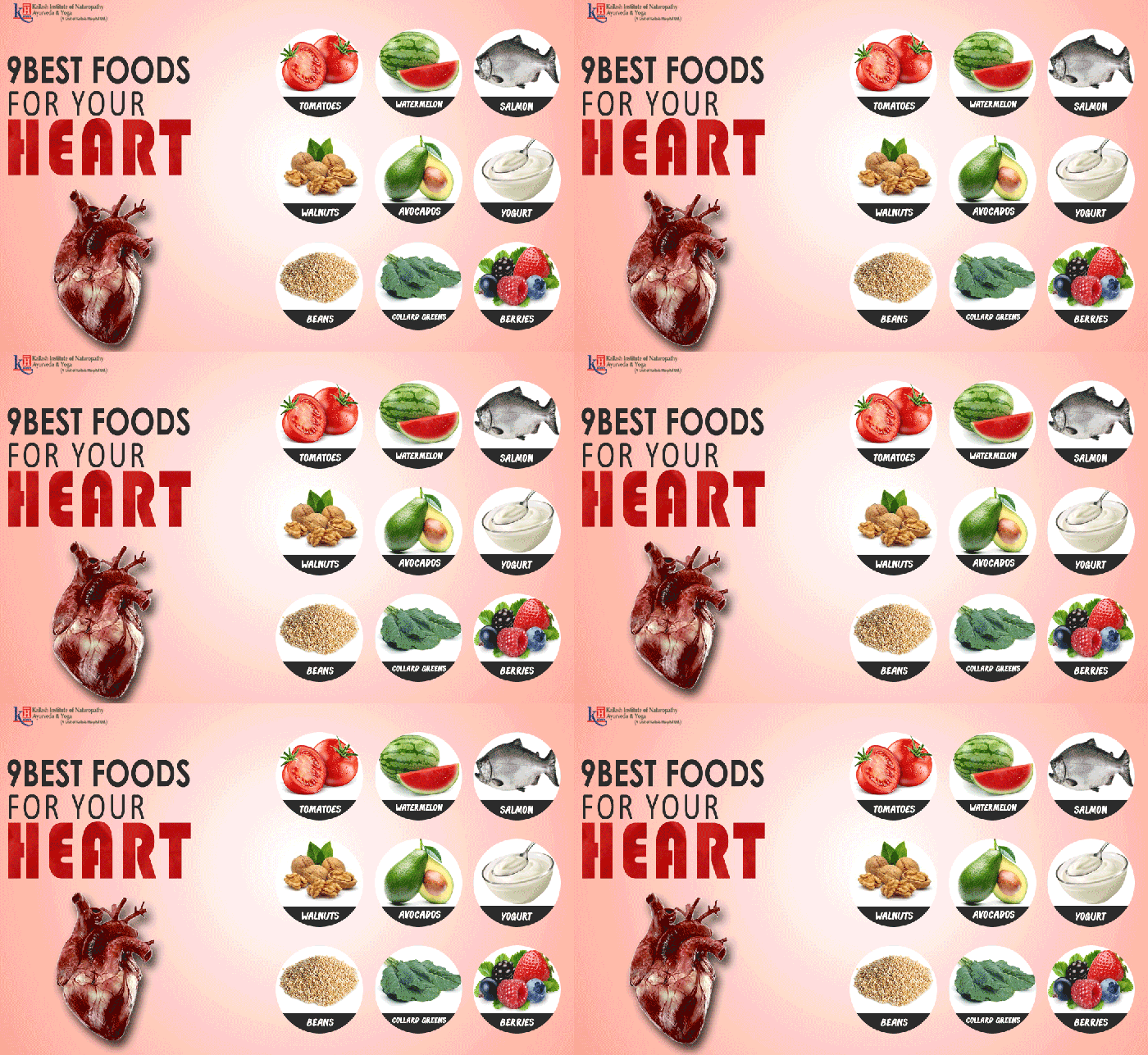
A healthy diet is crucial for maintaining cardiovascular health. By incorporating heart-healthy foods into your daily meals, you can lower your risk of heart disease and improve overall well-being.
Fruits and Vegetables
Fruits and vegetables are packed with essential vitamins, minerals, and antioxidants that promote heart health. They are low in calories and fat, making them a great addition to any diet.
- Berries:Strawberries, blueberries, raspberries, and blackberries are rich in antioxidants that protect against oxidative stress and inflammation, both of which can damage blood vessels. They also contain fiber, which helps lower cholesterol levels.
- Citrus Fruits:Oranges, grapefruits, and lemons are excellent sources of vitamin C, which supports blood vessel health and helps prevent blood clots.
- Leafy Greens:Spinach, kale, and collard greens are packed with folate, potassium, and magnesium, all of which play a role in regulating blood pressure and reducing the risk of stroke.
- Tomatoes:Tomatoes are rich in lycopene, a powerful antioxidant that may help lower blood pressure and protect against heart disease.
- Avocados:Avocados are a good source of healthy fats, fiber, and potassium. They can help lower LDL cholesterol levels and improve blood pressure.
Whole Grains
Whole grains are a good source of fiber, which helps lower cholesterol levels and regulate blood sugar. They also provide essential nutrients like B vitamins and magnesium.
- Brown Rice:Brown rice is a good source of fiber, magnesium, and selenium, all of which are beneficial for heart health.
- Quinoa:Quinoa is a complete protein and a good source of fiber, iron, and magnesium. It can help lower blood pressure and improve blood sugar control.
- Oatmeal:Oatmeal is a good source of soluble fiber, which helps lower LDL cholesterol levels. It also contains beta-glucan, a type of fiber that may help reduce inflammation.
- Whole-Wheat Bread:Choose whole-wheat bread over white bread, as it is a better source of fiber and nutrients.
Lean Protein
Lean protein sources provide essential amino acids that are important for muscle growth and repair. They are also low in saturated fat, which is beneficial for heart health.
- Fish:Fatty fish like salmon, tuna, and mackerel are rich in omega-3 fatty acids, which have been shown to reduce the risk of heart disease.
- Chicken:Chicken breast is a lean source of protein that is low in fat and calories.
- Beans and Lentils:Beans and lentils are good sources of protein, fiber, and folate. They can help lower cholesterol levels and improve blood sugar control.
- Tofu:Tofu is a plant-based protein source that is low in saturated fat and cholesterol.
Nuts and Seeds
Nuts and seeds are a good source of healthy fats, fiber, and vitamins and minerals. They can help lower LDL cholesterol levels and improve blood pressure.
- Almonds:Almonds are a good source of monounsaturated fats, fiber, and vitamin E. They can help lower LDL cholesterol levels and improve blood pressure.
- Walnuts:Walnuts are a good source of omega-3 fatty acids, which have been shown to reduce the risk of heart disease.
- Flaxseeds:Flaxseeds are a good source of omega-3 fatty acids, fiber, and lignans, which have been shown to have protective effects against heart disease.
- Chia Seeds:Chia seeds are a good source of fiber, omega-3 fatty acids, and antioxidants. They can help lower cholesterol levels and improve blood pressure.
Dairy Products
Dairy products are a good source of calcium and vitamin D, which are important for bone health. They also contain potassium, which helps regulate blood pressure.
- Low-Fat Milk:Choose low-fat milk over whole milk, as it is lower in saturated fat.
- Yogurt:Yogurt is a good source of calcium, protein, and probiotics, which are beneficial for gut health.
- Cheese:Choose low-fat or fat-free cheese, as it is lower in saturated fat.
Sample Meal Plan for a Week
Here is a sample meal plan featuring heart-healthy foods for a week:
Monday
Breakfast
Oatmeal with berries and nuts
Lunch
Salad with grilled chicken and avocado
Dinner
Baked salmon with roasted vegetables
Snack
Greek yogurt with fruit
Tuesday
Breakfast
Whole-wheat toast with avocado and egg
Lunch
Lentil soup with whole-wheat bread
Dinner
Chicken stir-fry with brown rice
Snack
Trail mix with nuts and seeds
Wednesday
Breakfast
Smoothie with fruit, yogurt, and spinach
Lunch
Tuna salad sandwich on whole-wheat bread
Dinner
Vegetarian chili with whole-wheat cornbread
Snack
Apple slices with peanut butter
Thursday
Breakfast
Whole-wheat pancakes with fruit and syrup
Lunch
Leftover vegetarian chili
Dinner
Grilled chicken breast with quinoa and steamed vegetables
Snack
Almonds
Friday
Breakfast
Scrambled eggs with whole-wheat toast
Lunch
Salad with grilled shrimp and avocado
Dinner
Pasta with marinara sauce and vegetables
Snack
Greek yogurt with fruit
Saturday
Breakfast
Whole-wheat waffles with fruit and syrup
Lunch
Leftover pasta with marinara sauce and vegetables
Dinner
Pizza with whole-wheat crust, vegetables, and lean protein
Snack
Popcorn
Sunday
Breakfast
Eggs with whole-wheat toast and fruit
Lunch
Leftover pizza
Dinner
Roasted chicken with mashed potatoes and gravy
Snack
Trail mix with nuts and seeds
The Role of Protein in Heart Health
Protein plays a crucial role in maintaining a healthy heart. It is an essential nutrient that contributes to various functions related to cardiovascular health, including blood pressure regulation, cholesterol management, and overall heart muscle function.
Protein’s Contribution to Blood Pressure Regulation
Protein intake is linked to blood pressure regulation. Adequate protein consumption helps maintain healthy blood pressure levels by contributing to the production of nitric oxide, a molecule that relaxes blood vessels and improves blood flow.
Studies have shown that diets high in protein can help lower blood pressure, particularly in individuals with hypertension.
Protein’s Influence on Cholesterol Levels
Protein intake can also impact cholesterol levels. High-protein diets can help lower LDL (“bad”) cholesterol levels and increase HDL (“good”) cholesterol levels, contributing to a healthier lipid profile.
The consumption of lean protein sources, such as fish, poultry, beans, and lentils, can positively influence cholesterol levels.
Recommended Protein Intake for Heart Health
For individuals focused on heart health, the recommended daily protein intake is approximately 0.8 grams per kilogram of body weight, or 0.36 grams per pound. This recommendation can be adjusted based on individual factors, such as age, activity level, and health conditions.
The Impact of Carbohydrates on Heart Health
Carbohydrates are a crucial part of a balanced diet, providing energy for our bodies. However, not all carbohydrates are created equal, and some can negatively impact heart health. Understanding the difference between simple and complex carbohydrates is essential for making heart-healthy choices.
Simple vs. Complex Carbohydrates
Simple carbohydrates, also known as sugars, are quickly absorbed into the bloodstream, causing a rapid spike in blood sugar levels. This can lead to insulin resistance, a condition where the body does not respond properly to insulin, which regulates blood sugar levels.
Insulin resistance is linked to an increased risk of developing type 2 diabetes, a major risk factor for heart disease. Complex carbohydrates, on the other hand, are made up of longer chains of sugar molecules. These take longer to digest and are absorbed more slowly, resulting in a gradual rise in blood sugar levels.
This helps to maintain stable blood sugar levels and prevent the harmful effects of rapid spikes.
Choosing Heart-Healthy Carbohydrates
Here are some tips for choosing heart-healthy carbohydrates:
- Choose whole grains over refined grains. Whole grains contain more fiber and nutrients, which are beneficial for heart health. Examples of whole grains include brown rice, quinoa, oats, and whole-wheat bread.
- Limit added sugars. Added sugars are found in many processed foods and drinks, such as candy, soda, and baked goods. These sugars contribute to weight gain and can increase the risk of heart disease.
- Focus on fruits and vegetables. Fruits and vegetables are naturally low in calories and rich in fiber, vitamins, and minerals. They are an excellent source of heart-healthy carbohydrates.
The Role of Fiber in Heart Health
Fiber is a type of carbohydrate that our bodies cannot digest. It plays a vital role in heart health by:
- Lowering cholesterol levels: Fiber, particularly soluble fiber, binds to cholesterol in the digestive tract and helps remove it from the body. This can help lower LDL (“bad”) cholesterol levels, which are linked to an increased risk of heart disease.
- Regulating blood sugar levels: Fiber slows down the absorption of sugar into the bloodstream, helping to maintain stable blood sugar levels and reduce the risk of insulin resistance.
- Improving blood pressure: Fiber can help lower blood pressure, which is another important factor in reducing the risk of heart disease.
Sources of Fiber
Good sources of fiber include:
- Fruits: Apples, pears, bananas, berries, and citrus fruits are all good sources of fiber.
- Vegetables: Broccoli, carrots, Brussels sprouts, peas, and leafy greens are excellent sources of fiber.
- Whole grains: Brown rice, quinoa, oats, and whole-wheat bread are good sources of fiber.
- Legumes: Beans, lentils, and chickpeas are high in fiber and other nutrients that are beneficial for heart health.
- Nuts and seeds: Almonds, walnuts, flaxseeds, and chia seeds are good sources of fiber and heart-healthy fats.
Hydration and Heart Health
Staying hydrated is crucial for overall health and plays a vital role in maintaining optimal heart function. Adequate water intake helps regulate blood pressure, supports electrolyte balance, and ensures efficient blood flow throughout the body.
The Importance of Hydration for Heart Health
Water is essential for various bodily functions, including maintaining blood volume, regulating body temperature, and transporting nutrients and oxygen to cells. When you’re properly hydrated, your heart doesn’t have to work as hard to pump blood throughout your body, which helps to reduce strain on your cardiovascular system.
The Impact of Dehydration on Cardiovascular Health
Dehydration can have several negative consequences for your heart health:
- Increased Blood Viscosity:When you’re dehydrated, your blood becomes thicker, making it harder for your heart to pump efficiently. This can lead to increased blood pressure and strain on your cardiovascular system.
- Reduced Blood Flow:Dehydration can also decrease blood flow to the heart, which can lead to fatigue, dizziness, and even chest pain.
- Electrolyte Imbalances:Electrolytes, such as sodium and potassium, are crucial for heart function. Dehydration can disrupt electrolyte balance, leading to irregular heart rhythms and other cardiovascular problems.
Daily Water Intake Recommendations for Heart Health
The amount of water you need to drink each day varies depending on your age, activity level, and climate. However, most adults should aim to drink at least eight glasses of water per day.
You can also get fluids from fruits and vegetables, but it’s important to drink plenty of water to ensure you’re staying adequately hydrated.
Lifestyle Factors for Cardiovascular Health
In addition to dietary choices, lifestyle factors play a crucial role in maintaining cardiovascular health. These factors encompass various aspects of daily life, including stress management, physical activity, and weight control. By incorporating healthy lifestyle practices, individuals can significantly reduce their risk of heart disease and promote overall well-being.
The Impact of Stress on Heart Health
Stress is a common part of modern life, but chronic stress can have a detrimental impact on heart health. When we experience stress, our bodies release hormones like adrenaline and cortisol, which increase heart rate, blood pressure, and inflammation. Over time, this can lead to a buildup of plaque in the arteries, increasing the risk of heart attacks and strokes.
Stress Management Techniques
There are numerous effective techniques for managing stress and reducing its impact on heart health:
- Regular Exercise:Physical activity releases endorphins, which have mood-boosting effects and can help reduce stress levels.
- Mindfulness and Meditation:These practices help to calm the mind and body, reducing the physical and emotional effects of stress.
- Deep Breathing Exercises:Simple breathing exercises can slow heart rate and promote relaxation.
- Spending Time in Nature:Exposure to nature has been shown to reduce stress and improve mood.
- Social Connections:Strong social connections provide support and reduce feelings of isolation, which can contribute to stress.
Benefits of Regular Physical Activity
Regular physical activity is a cornerstone of cardiovascular health. It strengthens the heart muscle, improves blood flow, lowers blood pressure, and helps control cholesterol levels. Aim for at least 150 minutes of moderate-intensity aerobic activity or 75 minutes of vigorous-intensity aerobic activity per week, along with muscle-strengthening activities at least twice a week.
Maintaining a Healthy Weight
Being overweight or obese significantly increases the risk of heart disease. Excess weight puts added strain on the heart and can lead to high blood pressure, high cholesterol, and type 2 diabetes, all of which contribute to cardiovascular problems.
Tips for Maintaining a Healthy Weight
Here are some practical tips for maintaining a healthy weight:
- Balanced Diet:Focus on consuming nutrient-rich foods like fruits, vegetables, whole grains, and lean protein. Limit processed foods, sugary drinks, and unhealthy fats.
- Portion Control:Pay attention to portion sizes and avoid overeating.
- Regular Exercise:Engage in regular physical activity to burn calories and build muscle mass.
- Hydration:Drink plenty of water throughout the day to stay hydrated and avoid overeating.
- Sleep:Aim for 7-8 hours of quality sleep each night, as sleep deprivation can lead to weight gain.
Sleep Hygiene and Heart Health
Getting enough sleep is crucial for overall health, including cardiovascular health. While you sleep, your body works hard to repair and rejuvenate itself, including your heart and blood vessels.
The Relationship Between Sleep and Heart Health
Adequate sleep plays a vital role in maintaining cardiovascular health. During sleep, your body goes through a process of repair and rejuvenation, which includes your heart and blood vessels. A good night’s rest helps regulate blood pressure, reduce inflammation, and improve blood sugar control.
These benefits contribute to a healthier heart and a lower risk of heart disease.
Mental Clarity and Heart Health
It’s no secret that our mental and physical health are intricately linked. A healthy mind can positively impact our heart health, and vice versa. Maintaining mental clarity, managing stress, and promoting emotional well-being can significantly contribute to a strong cardiovascular system.
The Benefits of Mindfulness and Meditation
Mindfulness and meditation practices have gained popularity in recent years, and for good reason. They offer a range of benefits for both mental and physical health, including a positive impact on heart health.
- Reduced Stress and Anxiety:Mindfulness and meditation techniques help to calm the nervous system, reducing the production of stress hormones like cortisol. High levels of cortisol can contribute to an increased risk of heart disease.
- Improved Blood Pressure:Studies have shown that regular meditation practice can lead to lower blood pressure levels, a key factor in cardiovascular health.
- Enhanced Heart Rate Variability:Heart rate variability (HRV) is a measure of the variation in time between heartbeats. A higher HRV indicates a healthier, more adaptable heart. Mindfulness and meditation have been shown to improve HRV.
Strategies for Maintaining Mental Clarity and Reducing Stress
There are many strategies you can incorporate into your daily routine to promote mental clarity and reduce stress, ultimately supporting heart health.
- Regular Exercise:Physical activity is a powerful stress reliever. Aim for at least 30 minutes of moderate-intensity exercise most days of the week.
- Adequate Sleep:Sleep deprivation can contribute to stress, anxiety, and an increased risk of heart disease. Strive for 7-8 hours of quality sleep each night.
- Healthy Diet:Eating a balanced diet rich in fruits, vegetables, and whole grains can provide the nutrients your body needs to function optimally and manage stress levels.
- Social Connection:Strong social connections can buffer against stress and improve mental well-being. Make time for meaningful interactions with loved ones.
- Mindfulness Practices:Dedicate even a few minutes each day to mindfulness practices like deep breathing, meditation, or yoga. These practices can help you become more aware of your thoughts and feelings, allowing you to manage stress more effectively.
Healthy Aging and Heart Health
As we age, maintaining cardiovascular health becomes increasingly important. Heart disease is a leading cause of death for both men and women, and the risk of developing heart problems increases with age. However, with proactive measures, we can significantly reduce our risk and enjoy a healthy and fulfilling life.
The Importance of Regular Health Screenings for Heart Disease
Regular health screenings play a crucial role in early detection and prevention of heart disease. These screenings help identify risk factors and potential issues before they develop into serious health problems.
- Blood pressure checks: Regular blood pressure checks are essential for identifying hypertension, a major risk factor for heart disease. High blood pressure can damage blood vessels and increase the risk of heart attacks, strokes, and other cardiovascular complications.
- Cholesterol tests: Cholesterol levels should be monitored regularly to assess the risk of high cholesterol, which can contribute to plaque buildup in arteries and increase the risk of heart disease.
- Electrocardiogram (ECG): An ECG measures the electrical activity of the heart and can detect abnormalities that may indicate heart disease.
- Echocardiogram: An echocardiogram uses sound waves to create images of the heart, allowing doctors to assess the structure and function of the heart.
Strategies for Staying Active and Maintaining a Healthy Lifestyle in Later Years
Maintaining an active lifestyle is crucial for cardiovascular health at any age, but it becomes even more important as we age. Regular physical activity helps strengthen the heart, improve blood circulation, and reduce the risk of heart disease.
- Choose activities you enjoy: Find activities that you find enjoyable and that fit your fitness level. This will make it more likely that you’ll stick with them in the long run.
- Start slowly and gradually increase intensity: If you haven’t been active for a while, start with short, low-intensity activities and gradually increase the duration and intensity as you get stronger.
- Find a workout buddy: Having a workout buddy can help you stay motivated and accountable. It can also make exercise more enjoyable and social.
- Incorporate strength training: Strength training helps build muscle mass, which can help improve metabolism and reduce the risk of age-related decline in muscle function.
Nutritional Supplements for Heart Health: Top Foods For Promoting Cardiovascular Health And Heart Function
Nutritional supplements can play a role in supporting cardiovascular health, but it’s crucial to understand their potential benefits, risks, and appropriate use. While a balanced diet should be the foundation of heart health, certain supplements may offer additional support, especially for individuals with specific dietary needs or deficiencies.
Benefits and Risks of Specific Supplements
The potential benefits and risks of supplements for heart health vary depending on the specific nutrient.
- Omega-3 Fatty Acids: These fatty acids, found in fish oil, are known to reduce triglyceride levels, lower blood pressure, and improve heart rhythm. However, high doses can increase the risk of bleeding.
- Coenzyme Q10 (CoQ10): This antioxidant plays a crucial role in energy production within the heart. Studies suggest it may improve heart function in individuals with heart failure. However, its effectiveness in preventing heart disease is still under investigation.
- Magnesium: This mineral is essential for muscle function, including the heart. Magnesium deficiency can contribute to high blood pressure and irregular heartbeat. However, excessive magnesium intake can lead to digestive issues.
- Garlic: This herb contains compounds that may help lower blood pressure and cholesterol levels. However, its effectiveness in preventing heart disease is still under investigation.
- Folic Acid: This B vitamin is crucial for red blood cell production and may help reduce the risk of heart defects in pregnant women. However, excessive folic acid intake can mask a vitamin B12 deficiency.
Supplement Use in Conjunction with a Healthy Diet
Supplements should not be considered a substitute for a healthy diet. They should be used to complement a balanced eating plan that includes plenty of fruits, vegetables, whole grains, and lean protein.
Consulting a Healthcare Professional
It’s essential to consult with a healthcare professional before taking any supplements, especially if you have any underlying health conditions or are taking medications. They can help determine the appropriate dosage and ensure that the supplement is safe for you.
Disease Prevention and Heart Health
Taking proactive steps to safeguard your heart health is crucial, as cardiovascular disease is a leading cause of death worldwide. By understanding the importance of regular health checkups and adopting a heart-healthy lifestyle, you can significantly reduce your risk of developing this serious condition.
Regular Health Checkups for Early Detection
Regular health checkups play a vital role in early detection and management of heart disease. By monitoring your blood pressure, cholesterol levels, and other key indicators, your doctor can identify any potential issues before they become severe. Early detection allows for timely interventions, such as lifestyle modifications, medication, or other treatments, to prevent the progression of heart disease.
- Blood Pressure:Regular blood pressure checks are essential, as high blood pressure can damage blood vessels and increase the risk of heart attacks, strokes, and other cardiovascular complications.
- Cholesterol:Monitoring cholesterol levels, particularly LDL (bad) cholesterol and HDL (good) cholesterol, is crucial. High LDL cholesterol levels can contribute to plaque buildup in arteries, increasing the risk of heart disease.
- Blood Sugar:Diabetes is a major risk factor for heart disease. Regular blood sugar checks can help identify and manage diabetes, reducing the risk of cardiovascular complications.
Lifestyle Modifications for Heart Disease Prevention
Lifestyle modifications are a cornerstone of heart disease prevention. By adopting healthy habits, you can significantly reduce your risk of developing cardiovascular disease.
- Diet:A heart-healthy diet rich in fruits, vegetables, whole grains, lean protein, and healthy fats can lower blood pressure, cholesterol levels, and inflammation, all of which contribute to cardiovascular health.
- Exercise:Regular physical activity strengthens the heart, improves blood circulation, and helps control weight, blood pressure, and cholesterol levels. Aim for at least 30 minutes of moderate-intensity exercise most days of the week.
- Smoking Cessation:Smoking is a major risk factor for heart disease. Quitting smoking is one of the most effective ways to reduce your risk of cardiovascular disease.
- Stress Management:Chronic stress can contribute to heart disease. Finding healthy ways to manage stress, such as exercise, meditation, or spending time in nature, can reduce your risk.
- Alcohol Consumption:Moderate alcohol consumption can be part of a healthy lifestyle for some individuals, but excessive alcohol intake can increase the risk of heart disease.
Tips for Reducing Risk Factors, Top foods for promoting cardiovascular health and heart function
In addition to lifestyle modifications, there are several other steps you can take to reduce your risk of heart disease.
- Maintain a Healthy Weight:Obesity is a major risk factor for heart disease. Losing even a small amount of weight can significantly reduce your risk.
- Get Enough Sleep:Lack of sleep can increase blood pressure, cholesterol levels, and inflammation, all of which can contribute to heart disease. Aim for 7-8 hours of sleep per night.
- Manage Underlying Conditions:Conditions like diabetes, high blood pressure, and high cholesterol can increase your risk of heart disease. Managing these conditions effectively is crucial for preventing cardiovascular complications.
Healthy Recipes for Heart Health
Eating a heart-healthy diet is essential for maintaining good cardiovascular health. By incorporating these delicious and nutritious recipes into your daily routine, you can support your heart’s well-being and enjoy a variety of flavors.
Heart-Healthy Breakfast Recipes
These breakfast recipes provide a nutritious start to your day, helping you fuel your body with essential nutrients.
- Oatmeal with Berries and Nuts:This classic breakfast is packed with fiber, which helps lower cholesterol levels and regulate blood sugar. Start with a cup of rolled oats, add a cup of your favorite berries (strawberries, blueberries, raspberries), and a handful of chopped nuts (almonds, walnuts, pecans).
You can also add a tablespoon of chia seeds for an extra boost of omega-3 fatty acids.
- Avocado Toast with Smoked Salmon:This trendy breakfast is rich in healthy fats, protein, and omega-3 fatty acids. Simply toast a slice of whole-grain bread and top it with mashed avocado, smoked salmon, and a sprinkle of red pepper flakes for a spicy kick.
- Greek Yogurt with Fruit and Granola:Greek yogurt is a great source of protein and calcium, while fruit provides essential vitamins and antioxidants. Combine a cup of Greek yogurt with your favorite fruit (banana, mango, kiwi), a sprinkle of granola, and a drizzle of honey for sweetness.
Heart-Healthy Lunch Recipes
These lunch recipes offer a balanced combination of protein, fiber, and healthy fats, keeping you feeling full and energized throughout the afternoon.
- Lentil Soup with Whole-Grain Bread:Lentil soup is a hearty and flavorful meal that’s packed with fiber and protein. Combine lentils, vegetables (carrots, celery, onions), and broth in a pot and simmer until the lentils are tender. Serve with a slice of whole-grain bread for a complete meal.
- Salmon Salad with Mixed Greens:Salmon is an excellent source of omega-3 fatty acids, which are beneficial for heart health. Combine grilled or baked salmon with mixed greens, chopped vegetables (tomatoes, cucumbers, onions), and a light vinaigrette dressing.
- Chicken and Vegetable Stir-Fry:This quick and easy meal is a great way to get your daily dose of vegetables and lean protein. Stir-fry chicken breast with a variety of vegetables (broccoli, bell peppers, carrots, onions) and a low-sodium soy sauce. Serve over brown rice or quinoa for added fiber.
Heart-Healthy Dinner Recipes
These dinner recipes are delicious and satisfying, providing a healthy and balanced meal for the whole family.
- Mediterranean Chicken Skewers:These skewers are a flavorful and healthy way to enjoy chicken and vegetables. Marinate chicken cubes in a mixture of olive oil, lemon juice, garlic, oregano, and salt. Thread the chicken onto skewers with cherry tomatoes, bell peppers, and red onions.
Grill or bake until the chicken is cooked through.
- Vegetarian Chili:This hearty chili is packed with fiber, protein, and antioxidants. Combine black beans, kidney beans, tomatoes, onions, bell peppers, and chili powder in a pot and simmer until the chili is thickened. Serve with a dollop of nonfat Greek yogurt or sour cream for added creaminess.
- Baked Salmon with Roasted Vegetables:This simple and elegant meal is packed with omega-3 fatty acids and essential nutrients. Bake salmon fillets with a drizzle of olive oil, lemon juice, and herbs. Roast a variety of vegetables (asparagus, broccoli, carrots) alongside the salmon.
Heart-Healthy Snack Recipes
These snacks are healthy and satisfying, helping you avoid unhealthy cravings and keep your energy levels up between meals.
- Trail Mix:This classic snack is a great way to get a mix of nuts, seeds, and dried fruit. Combine your favorite nuts (almonds, walnuts, pecans), seeds (sunflower seeds, pumpkin seeds), and dried fruit (raisins, cranberries, apricots).
- Fruit Salad:A refreshing and healthy snack that’s packed with vitamins and antioxidants. Combine your favorite fruits (strawberries, blueberries, raspberries, bananas, kiwi) and enjoy.
- Edamame:Edamame is a great source of protein, fiber, and antioxidants. Steam or boil edamame pods until tender and enjoy as a healthy snack.
Active Lifestyle and Heart Health
An active lifestyle is crucial for maintaining a healthy heart. Regular physical activity strengthens the heart muscle, improves blood flow, and reduces the risk of cardiovascular diseases.
Benefits of Exercise for Heart Health
Regular exercise offers numerous benefits for heart health, including:
- Improved Cardiovascular Function:Exercise strengthens the heart muscle, allowing it to pump blood more efficiently. This enhances blood flow and reduces blood pressure.
- Reduced Risk of Heart Disease:Physical activity helps lower cholesterol levels, improves blood sugar control, and reduces inflammation, all of which contribute to a lower risk of heart disease.
- Weight Management:Exercise burns calories and helps maintain a healthy weight, which is essential for heart health. Obesity is a major risk factor for heart disease.
- Stress Reduction:Exercise releases endorphins, which have mood-boosting effects and can help reduce stress levels. Chronic stress can negatively impact heart health.
Types of Exercise for Heart Health
Different types of exercise benefit heart health in various ways.
- Aerobic Exercise:Aerobic exercises, such as brisk walking, jogging, swimming, and cycling, increase heart rate and improve cardiovascular function. Aim for at least 150 minutes of moderate-intensity aerobic activity or 75 minutes of vigorous-intensity aerobic activity per week.
- Strength Training:Strength training exercises, such as weightlifting, resistance bands, and bodyweight exercises, build muscle mass and improve bone density. This helps control blood sugar levels and reduce the risk of heart disease.
- High-Intensity Interval Training (HIIT):HIIT involves short bursts of intense exercise followed by brief recovery periods. It’s a time-efficient way to improve cardiovascular fitness and burn calories.
Recommendations for a Safe and Effective Exercise Routine
To create a safe and effective exercise routine, consider these recommendations:
- Consult a Doctor:Before starting any new exercise program, consult your doctor to ensure it’s safe for you.
- Start Slowly and Gradually Increase Intensity:Begin with a moderate level of activity and gradually increase the duration, intensity, and frequency of your workouts as you get fitter.
- Listen to Your Body:Pay attention to your body’s signals and rest when you need to. Don’t push yourself too hard, especially when you’re starting.
- Variety:Incorporate different types of exercise into your routine to keep things interesting and challenge different muscle groups.
- Stay Hydrated:Drink plenty of water before, during, and after your workouts to stay hydrated.
Tips for Staying Motivated and Consistent with Physical Activity
Staying motivated and consistent with exercise can be challenging. Here are some tips to help you:
- Find an Activity You Enjoy:Choose activities you find enjoyable, as you’re more likely to stick with them. This could include dancing, hiking, or playing a sport.
- Set Realistic Goals:Start with achievable goals and gradually increase the intensity and duration of your workouts as you progress.
- Find a Workout Buddy:Having a workout partner can provide motivation and support, making it more enjoyable and likely to stick with it.
- Track Your Progress:Track your workouts and progress to stay motivated and see how far you’ve come. This could involve using a fitness tracker or a journal.
- Reward Yourself:Reward yourself for reaching your goals to stay motivated. This could involve buying yourself a new workout outfit or treating yourself to a healthy meal.
Emotional Wellbeing and Heart Health
The connection between emotional health and cardiovascular health is undeniable. Our emotions can significantly influence our heart’s well-being. When we experience stress, anxiety, or depression, our bodies respond in ways that can negatively impact our cardiovascular system.
The Impact of Stress, Anxiety, and Depression on the Heart
Stress, anxiety, and depression are common emotional states that can have a detrimental effect on our heart health. When we experience these emotions, our bodies release hormones like adrenaline and cortisol. These hormones trigger a “fight-or-flight” response, leading to increased heart rate, blood pressure, and blood sugar levels.
Prolonged exposure to these hormones can put a strain on our cardiovascular system, increasing the risk of heart disease, stroke, and other cardiovascular problems.
Strategies for Managing Emotional Well-being to Promote Heart Health
Managing emotional well-being is crucial for promoting heart health. Here are some strategies:
- Practice relaxation techniques: Techniques like deep breathing, meditation, and yoga can help reduce stress and anxiety levels, promoting relaxation and improving cardiovascular health.
- Engage in regular physical activity: Exercise releases endorphins, which have mood-boosting effects and can help reduce stress and anxiety. Aim for at least 30 minutes of moderate-intensity exercise most days of the week.
- Prioritize sleep: Getting enough sleep is essential for both physical and emotional health. Aim for 7-8 hours of quality sleep each night.
- Maintain a healthy diet: A balanced diet rich in fruits, vegetables, and whole grains can provide the nutrients your body needs to function optimally, including maintaining a healthy heart.
- Seek professional help: If you are struggling with stress, anxiety, or depression, seeking professional help from a therapist or counselor can provide valuable support and guidance.
Mental Resilience and Heart Health
Mental resilience plays a crucial role in maintaining cardiovascular health. It enables individuals to effectively manage stress, which is a significant risk factor for heart disease. By developing mental resilience, individuals can better cope with life’s challenges and maintain a healthy heart.
Strategies for Building Mental Resilience
Mental resilience can be cultivated through various practices, including mindfulness and positive thinking.
- Mindfulnessinvolves focusing on the present moment without judgment. Engaging in mindfulness exercises, such as meditation or deep breathing, can help individuals become more aware of their thoughts and feelings, allowing them to better manage stress and cultivate a sense of calm.
Studies have shown that mindfulness-based interventions can reduce stress, anxiety, and blood pressure, contributing to improved heart health.
- Positive thinkinginvolves focusing on the positive aspects of life and challenging negative thoughts. By practicing gratitude, optimism, and reframing challenges as opportunities for growth, individuals can develop a more resilient mindset. Positive thinking has been linked to reduced stress levels and improved cardiovascular health.
The Impact of Mental Resilience on Heart Health
Mental resilience can significantly impact heart health by promoting stress management and reducing the risk of cardiovascular disease.
- Stress Management: Mental resilience enables individuals to cope with stress effectively. When faced with challenging situations, resilient individuals are better able to regulate their emotions, maintain a calm demeanor, and avoid engaging in unhealthy coping mechanisms such as smoking or excessive alcohol consumption, all of which can negatively impact heart health.
- Reduced Risk of Cardiovascular Disease: Studies have shown a strong correlation between mental resilience and reduced risk of cardiovascular disease. Individuals with high levels of resilience tend to have lower blood pressure, improved cholesterol levels, and a reduced risk of developing heart disease. This is likely due to their ability to manage stress effectively, which in turn reduces the negative impact of stress on the cardiovascular system.
Immune Support and Heart Health
A strong immune system is essential for overall health, including cardiovascular health. When your immune system is functioning properly, it can help protect your body from infections and inflammation, both of which can contribute to heart disease.
The Role of Nutrition and Lifestyle in Supporting Immune Function
A healthy diet and lifestyle are crucial for maintaining a strong immune system.
- Eating a balanced diet rich in fruits, vegetables, and whole grainsprovides your body with the essential vitamins, minerals, and antioxidants it needs to fight off infections.
- Getting enough sleepis essential for immune function. When you’re sleep-deprived, your body produces fewer immune cells, making you more susceptible to infections.
- Managing stressis also important for immune health. Chronic stress can suppress the immune system, making you more vulnerable to illness.
- Regular exercisecan help boost your immune system by increasing blood flow and circulation, which helps deliver immune cells throughout your body.
Tips for Boosting the Immune System to Reduce the Risk of Heart Disease
Here are some additional tips for boosting your immune system and reducing your risk of heart disease:
- Eat a diet rich in antioxidants, which help protect your cells from damage caused by free radicals. Good sources of antioxidants include fruits, vegetables, and berries.
- Consume foods rich in vitamin C, which is a powerful antioxidant that helps support immune function. Good sources of vitamin C include citrus fruits, strawberries, and bell peppers.
- Get enough vitamin D, which helps regulate immune function. Good sources of vitamin D include fatty fish, eggs, and fortified foods.
- Consider taking a probiotic supplement, which can help promote a healthy gut microbiome, which is important for immune function.
- Avoid smoking, which weakens the immune system and increases your risk of heart disease.
- Limit alcohol consumption, which can also suppress the immune system.
- Practice good hygiene, such as washing your hands frequently and avoiding close contact with sick people, to help prevent the spread of infections.
Closing Summary
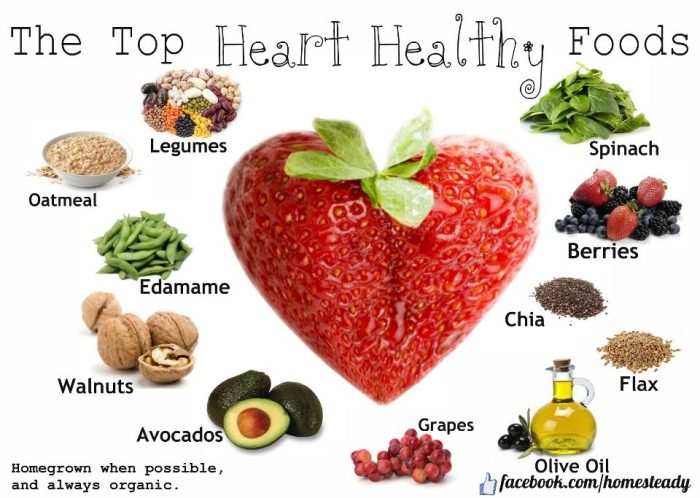
By embracing a heart-healthy diet rich in fruits, vegetables, whole grains, and lean protein, you can empower yourself to take control of your cardiovascular health. Remember, every bite you take is an opportunity to nourish your body and support the well-being of your heart.
Don’t hesitate to consult with a healthcare professional for personalized advice and to address any specific concerns you may have.
Key Questions Answered
What are some easy ways to incorporate more heart-healthy foods into my diet?
Start by making small changes. Swap out processed snacks for fresh fruits and vegetables. Choose whole grains over refined grains. Include lean protein sources like fish, beans, and lentils in your meals.
Is it necessary to completely eliminate saturated fats from my diet?
While limiting saturated fat intake is important, it’s not about eliminating it entirely. Some saturated fats, like those found in avocados and dark chocolate, can actually be beneficial for heart health.
How can I make sure I’m getting enough fiber in my diet?
Focus on whole grains, fruits, vegetables, legumes, and nuts. These foods are packed with fiber, which helps regulate cholesterol levels and promotes digestive health.


More Stories
Top Supplements for Nutritional Balance: Your Guide to Wellness
Hydrations Role in Weight Loss and Metabolism
Schedule Routine Health Screenings for Optimal Wellness