Healthy Habits
Maintaining healthy habits is crucial in strengthening the immune system naturally. Here are three essential habits that can help boost your immune system:
Regular Exercise
Regular exercise plays a vital role in boosting the immune system. Physical activity helps increase circulation of immune cells in the body, allowing them to detect and fight off infections more effectively. Aim for at least 150 minutes of moderate-intensity exercise per week to reap the immune-boosting benefits.
Sufficient Sleep
Getting an adequate amount of sleep is essential for a healthy immune system. During sleep, the body repairs and regenerates cells, including immune cells. Lack of sleep can weaken the immune system, making you more susceptible to illnesses. Aim for 7-9 hours of quality sleep each night to support your immune function.
Hydration
Proper hydration is key to supporting immune function. Water helps carry nutrients to cells and flush out toxins, allowing the immune system to function optimally. Dehydration can hinder the immune response, making it harder for the body to fend off infections. Aim to drink at least 8-10 glasses of water per day to stay hydrated and support your immune system.
Emotional Wellbeing
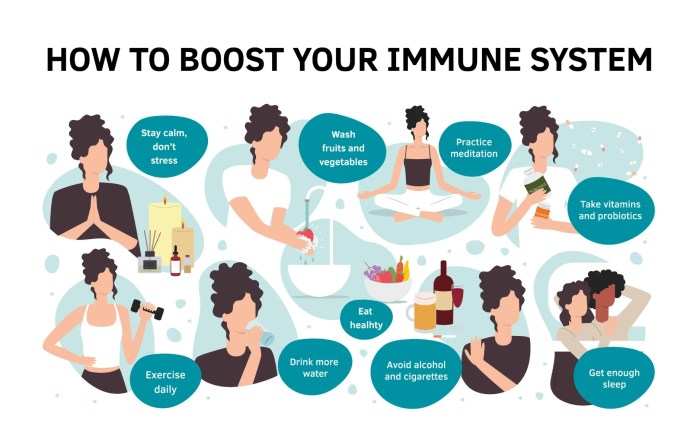
Stress management plays a crucial role in supporting our immune system. When we are stressed, our body releases cortisol, a hormone that can suppress the immune response. Therefore, implementing techniques to reduce stress can have a positive impact on our overall health and immunity.
Connection Between Emotional Health and Immune Function
Emotional health and immune function are closely intertwined. Research has shown that chronic stress, anxiety, and negative emotions can weaken the immune system, making us more susceptible to illnesses. On the other hand, positive emotions such as joy, gratitude, and optimism can boost our immunity and overall well-being.
- Practicing mindfulness and meditation can help reduce stress levels and promote emotional balance.
- Engaging in regular physical activity releases endorphins, which are known to improve mood and reduce stress.
- Connecting with loved ones and building a strong support system can provide emotional comfort and reduce feelings of isolation.
- Engaging in activities that bring joy and relaxation, such as hobbies or spending time in nature, can uplift our spirits and contribute to emotional wellbeing.
- Prioritizing self-care and setting boundaries to avoid burnout can help maintain a positive mindset and resilience in the face of challenges.
Healthy Aging: How To Strengthen Your Immune System Naturally
Aging can have a significant impact on the immune system, making older adults more susceptible to infections and illnesses. As we age, the immune system tends to weaken, leading to a decrease in the body’s ability to fight off pathogens effectively. This decline in immune function can result in longer recovery times and increased vulnerability to various health issues.
Tips for Enhancing Immune System in Older Adults
- Aim for a balanced diet rich in fruits, vegetables, whole grains, and lean proteins to provide essential nutrients for immune function.
- Stay hydrated by drinking an adequate amount of water daily to help flush out toxins and keep the immune system functioning optimally.
- Engage in regular physical activity to boost circulation and promote overall health, which can support the immune system.
- Get enough quality sleep each night to allow the body to repair and regenerate, crucial for a strong immune response.
- Manage stress through relaxation techniques like deep breathing, meditation, or yoga to prevent chronic stress from compromising the immune system.
Importance of Regular Health Check-ups
Regular health check-ups are essential for older adults to monitor their immune system and overall health. These check-ups can help identify any underlying issues or deficiencies that may be affecting immune function. By detecting and addressing health concerns early on, older adults can take proactive steps to maintain a strong immune system and prevent potential complications. It is crucial for older adults to work closely with healthcare providers to develop a personalized health plan that supports immune system maintenance and overall well-being.
Active Lifestyle
Regular physical activity plays a crucial role in maintaining a strong immune system. By incorporating exercise into your daily routine, you can boost your body’s defenses against infections and illnesses.
Low-Impact Exercises for Immune Health
- Walking: A simple and effective way to stay active without putting too much strain on your body.
- Yoga: Helps improve flexibility, strength, and mental well-being while supporting immune function.
- Swimming: A low-impact exercise that engages multiple muscle groups and promotes cardiovascular health.
- Cycling: Great for cardiovascular fitness and leg strength, with minimal impact on joints.
Relationship Between Activity and Immune Response
Regular physical activity can enhance the immune response to infections by increasing the circulation of immune cells in the body. Exercise also helps reduce inflammation and promotes the production of antibodies, leading to a more robust defense against pathogens.
Cardiovascular Health
Maintaining a healthy cardiovascular system is crucial for overall well-being, including immune function. The heart and blood vessels play a vital role in transporting immune cells and nutrients throughout the body, supporting the immune response to pathogens and infections.
Dietary Recommendations for Heart Health and Immunity
- Include a variety of fruits and vegetables rich in antioxidants, vitamins, and minerals to support heart health and boost the immune system.
- Incorporate omega-3 fatty acids from sources like fatty fish, flaxseeds, and walnuts to reduce inflammation and promote cardiovascular health.
- Limit intake of saturated fats, trans fats, and excess salt to maintain healthy blood pressure and cholesterol levels, essential for a strong immune system.
- Stay hydrated by drinking an adequate amount of water daily to support proper blood circulation and overall cardiovascular function.
Impact of Cardiovascular Exercise on the Immune System
Regular physical activity, especially cardiovascular exercises like running, swimming, or cycling, can have a positive impact on the immune system. Exercise helps improve circulation, reduce inflammation, and promote the production of immune cells, enhancing the body’s ability to fight off infections and diseases.
Healthy Recipes
How to strengthen your immune system naturally – Looking for ways to boost your immune system naturally? One effective method is to incorporate immune-boosting recipes into your diet. By consuming foods rich in vitamins and antioxidants, you can help support your body’s defenses against illnesses and infections.
Immune-Boosting Foods
Include these immune-boosting foods in your diet to strengthen your immunity:
- Citrus fruits: Rich in vitamin C, these fruits help increase the production of white blood cells, which are key to fighting infections.
- Garlic: Contains allicin, a compound known for its immune-boosting properties.
- Yogurt: Probiotics found in yogurt can help support a healthy gut, which is essential for a strong immune system.
- Spinach: Packed with antioxidants and beta carotene, spinach is a great addition to any immune-boosting recipe.
Balanced Diet for Immunity
It’s important to maintain a balanced diet to strengthen your immune system. A diet rich in fruits, vegetables, lean proteins, and whole grains can provide the necessary nutrients to support your body’s defenses. Avoid excessive consumption of processed foods, sugary snacks, and unhealthy fats, as they can weaken your immune system over time.
Mental Resilience
Mental resilience plays a crucial role in influencing our immune response. Our mental and emotional state can impact the way our immune system functions, making it important to focus on building mental resilience for better immune health.
Practices and Techniques to Build Mental Resilience
- Practice mindfulness and meditation to reduce stress levels and promote a sense of calm.
- Engage in regular physical exercise to release endorphins and improve overall mood.
- Cultivate a strong support system of friends and family to provide emotional support during challenging times.
- Set realistic goals and prioritize tasks to avoid feeling overwhelmed and maintain a sense of control.
- Develop a positive outlook by focusing on gratitude and practicing optimism in everyday situations.
Correlation between Positive Thinking and Immune System Strength, How to strengthen your immune system naturally
Positive thinking has been shown to have a direct impact on immune system strength. When we maintain a positive mindset, our body is better equipped to fight off infections and illnesses. Research has indicated that individuals with a more positive outlook tend to have stronger immune responses, highlighting the importance of mental resilience in overall immune health.
Immune Support
When it comes to supporting your immune system naturally, there are several supplements and herbs that can play a key role in boosting your body’s defenses.
Natural Supplements and Herbs
- Echinacea: Known for its immune-boosting properties, echinacea can help reduce the severity and duration of colds.
- Ginseng: This herb has been shown to enhance the immune response and reduce inflammation in the body.
- Garlic: Rich in antioxidants, garlic can help fight off infections and support overall immune health.
Vitamin D and Immune System Strength
Vitamin D is crucial for a healthy immune system, as it helps regulate immune responses and reduce inflammation in the body.
Research has shown that vitamin D deficiency is associated with an increased susceptibility to infections.
Probiotics and Immune System
- Probiotics are beneficial bacteria that can help balance the gut microbiome and strengthen the immune system.
- Studies have shown that probiotics can enhance immune function and reduce the risk of infections.
Stress Relief
Stress can weaken the immune system, making us more susceptible to illnesses. Finding effective ways to relieve stress is essential for maintaining a strong immune system.
Relaxation Techniques for Stress Relief
- Deep breathing exercises: Practice deep, slow breathing to calm the mind and body.
- Meditation: Regular meditation can reduce stress levels and improve overall well-being.
- Yoga: Engaging in yoga poses and stretches can help release tension and promote relaxation.
- Progressive muscle relaxation: Systematically tense and relax different muscle groups to alleviate stress.
Impact of Chronic Stress on the Immune System
Chronic stress can lead to prolonged activation of the body’s stress response, resulting in the suppression of immune function. This can increase the risk of infections and other health issues.
Stress-Relief Activities to Improve Immune Function
Engaging in regular physical activity, spending time in nature, connecting with loved ones, maintaining a healthy diet, and getting enough sleep are all effective ways to reduce stress and support a strong immune system.
Nutritional Balance
Maintaining a well-balanced diet is crucial for supporting a strong immune system. Proper nutrition provides the essential nutrients needed for immune function and overall health.
Role of Macronutrients and Micronutrients
- Macronutrients such as carbohydrates, proteins, and fats play a key role in providing energy and building blocks for the immune system.
- Micronutrients like vitamins and minerals are essential for immune cell function and support the body’s defense mechanisms.
- Ensure a variety of foods in your diet to obtain a wide range of nutrients that are important for immune health.
Tips for Achieving Nutritional Balance
- Include a colorful variety of fruits and vegetables in your meals to ensure intake of different vitamins and minerals.
- Opt for whole grains, lean proteins, and healthy fats to provide a well-rounded source of macronutrients.
- Stay hydrated by drinking an adequate amount of water throughout the day to support overall health and immune function.
- Avoid excessive consumption of processed foods, sugary drinks, and unhealthy fats that may weaken the immune system.
- Consider consulting with a healthcare professional or nutritionist to develop a personalized nutrition plan tailored to your immune health needs.
Clarifying Questions
Can specific foods help boost the immune system?
Absolutely! Foods rich in vitamins and antioxidants, such as citrus fruits, berries, and leafy greens, can provide a significant immune system boost.
What role does exercise play in strengthening the immune system?
Regular exercise is crucial for boosting the immune system as it helps improve circulation and overall health, making your body more resilient to illnesses.
Are there natural supplements that can support immune function?
Yes, natural supplements like vitamin D and probiotics are known to enhance the immune system naturally by providing essential nutrients and promoting a healthy gut microbiome.
How does stress impact the immune system?
Chronic stress can weaken the immune system over time, making the body more susceptible to infections and illnesses. Implementing stress-relief techniques is crucial for maintaining a strong immune response.
Why is mental resilience important for immune health?
Mental resilience plays a significant role in immune response by reducing the negative effects of stress and promoting a positive mindset, which can strengthen the body’s defense mechanisms.


More Stories
Nutritional balance for diabetics: Maintaining Health Through Diet and Lifestyle
Nutritional balance in a Mediterranean diet: Finding Harmony Through Food
Importance of sleep for immune support: Enhancing your health through quality rest