Nutritional Balance in a Mediterranean Diet
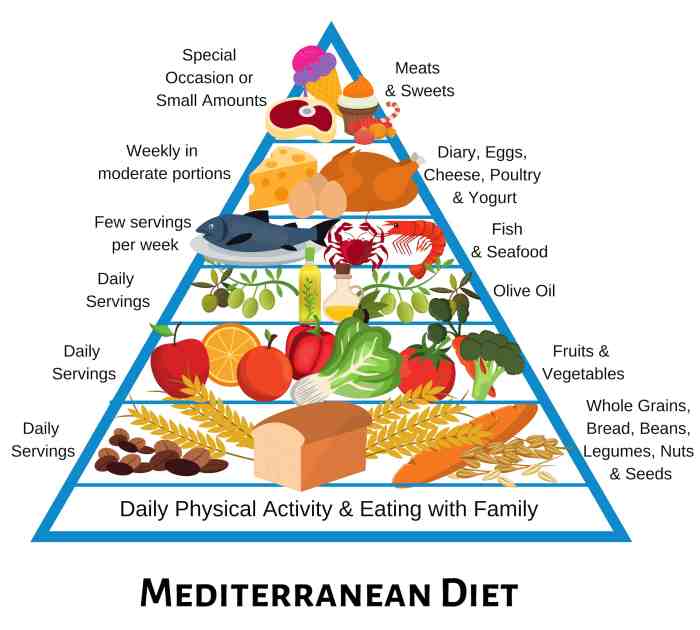
The Mediterranean diet is a way of eating based on the traditional foods and cooking styles of countries bordering the Mediterranean Sea. It is known for its emphasis on plant-based foods, healthy fats, lean proteins, and whole grains.
Key Components for Nutritional Balance
- Fruits and Vegetables: Rich in vitamins, minerals, and antioxidants, these are essential for overall health and disease prevention.
- Healthy Fats: Olive oil, nuts, and seeds provide monounsaturated fats that are heart-healthy and beneficial for brain function.
- Lean Proteins: Fish, poultry, and legumes are sources of protein that are lower in saturated fat compared to red meat.
- Whole Grains: Foods like whole wheat, brown rice, and oats offer fiber, vitamins, and minerals for sustained energy.
Importance of Maintaining a Balanced Diet
A balanced diet is crucial for overall health as it provides the necessary nutrients for bodily functions, energy production, and disease prevention. It helps maintain a healthy weight, boosts immunity, and supports mental well-being.
Mediterranean Diet and Nutritional Balance
The Mediterranean diet promotes nutritional balance by incorporating a variety of whole foods, limiting processed foods, and focusing on quality ingredients.
It emphasizes the importance of portion control, mindful eating, and enjoying meals with family and friends. This approach not only nourishes the body but also fosters a positive relationship with food and a healthy lifestyle.
Healthy Habits
Maintaining healthy habits is essential for overall well-being, especially when following a Mediterranean diet. These habits can include regular exercise, proper hydration, stress management, and adequate sleep. Consistency in practicing these habits is key to reaping their benefits and achieving a healthy lifestyle.
Examples of Healthy Habits
- Eating a variety of fruits, vegetables, whole grains, and lean proteins.
- Limiting processed foods high in sugar, salt, and unhealthy fats.
- Drinking plenty of water throughout the day.
- Taking time to relax and de-stress through activities like meditation or yoga.
- Getting at least 7-8 hours of quality sleep each night.
Role of Consistency
Nutritional balance in a Mediterranean diet – Consistency is crucial in maintaining healthy habits as it allows your body to adapt and benefit from these routines over time. By consistently following a Mediterranean diet and incorporating healthy habits into your daily life, you can improve your overall health and well-being.
Incorporating Daily Exercise
One way to ensure daily exercise is by finding activities you enjoy, such as walking, swimming, cycling, or dancing. Aim for at least 30 minutes of moderate exercise most days of the week to promote heart health, improve mood, and boost energy levels.
Connection Between Healthy Habits and Well-Being
- Healthy habits like regular exercise and nutritious eating can reduce the risk of chronic diseases such as heart disease, diabetes, and obesity.
- Proper hydration and stress management can improve mental clarity, focus, and overall mood.
- Adequate sleep is essential for cognitive function, immune health, and overall vitality.
Emotional Wellbeing
Maintaining emotional wellbeing is crucial for overall health and quality of life. A Mediterranean diet, known for its focus on fresh fruits, vegetables, whole grains, lean proteins, and healthy fats, can have a significant impact on emotional health.
Impact of Mediterranean Diet on Emotional Well-being
A Mediterranean diet is rich in nutrients that support brain health and mood regulation. Foods like fish, nuts, olive oil, and leafy greens are packed with omega-3 fatty acids, antioxidants, and vitamins that can help reduce inflammation, improve neurotransmitter function, and support overall mental well-being.
- Omega-3 fatty acids found in fish can help reduce symptoms of depression and anxiety.
- A diet high in fruits and vegetables provides essential vitamins and minerals that support cognitive function and mood stability.
- Avoiding processed foods and added sugars can help stabilize blood sugar levels, reducing mood swings and promoting emotional balance.
Link Between Nutrition and Mental Health
Nutrition plays a crucial role in mental health, as the food we eat directly impacts brain function and neurotransmitter production. A balanced diet can help regulate mood, reduce stress, and improve overall emotional well-being.
Research has shown that deficiencies in certain nutrients, such as omega-3 fatty acids, B vitamins, and magnesium, can contribute to symptoms of anxiety and depression.
Strategies for Improving Emotional Health Through Dietary Choices
Making mindful choices about the foods we consume can have a profound impact on emotional health. Incorporating more plant-based foods, lean proteins, and healthy fats into your diet while limiting processed foods and sugars can support emotional well-being.
- Include a variety of colorful fruits and vegetables to ensure a range of nutrients that support brain health.
- Opt for whole grains like quinoa, brown rice, and whole wheat pasta to provide sustained energy levels and support mood stability.
- Choose sources of lean protein such as poultry, fish, beans, and legumes to support neurotransmitter function and mood regulation.
Importance of Emotional Well-being in Maintaining Overall Health
Emotional well-being is interconnected with physical health, and neglecting one can impact the other. Prioritizing emotional health through a balanced diet and lifestyle choices can lead to improved mental clarity, reduced stress levels, and a greater sense of overall well-being.
Healthy Aging: Nutritional Balance In A Mediterranean Diet
As we age, maintaining a healthy diet becomes increasingly important for overall wellbeing. A Mediterranean diet, rich in fruits, vegetables, whole grains, and healthy fats, can play a significant role in supporting healthy aging.
Key Nutrients for Longevity
A Mediterranean diet is known for its abundance of key nutrients that promote longevity, including:
- Omega-3 fatty acids from fish, nuts, and olive oil, which support heart health and reduce inflammation.
- Antioxidants like vitamin C, vitamin E, and polyphenols found in fruits, vegetables, and red wine, which help combat oxidative stress and protect cells from damage.
- Fiber from whole grains, legumes, and fruits, which supports digestive health and helps maintain a healthy weight.
Incorporating Anti-Aging Foods
Here are some tips for incorporating anti-aging foods into your daily meals:
- Start your day with a nutritious breakfast that includes whole grains, fruits, and nuts.
- Include a variety of colorful fruits and vegetables in your meals to ensure a diverse range of antioxidants and vitamins.
- Choose lean sources of protein like fish, poultry, and legumes to support muscle health and metabolism.
- Snack on nuts, seeds, and Greek yogurt for a healthy dose of Omega-3s, protein, and probiotics.
Role of Nutrition in Age-Related Health Issues
Nutrition plays a crucial role in preventing and managing age-related health issues such as:
- Osteoporosis: Calcium and vitamin D from dairy products and leafy greens are essential for maintaining bone health and preventing fractures.
- Cognitive decline: Antioxidants and Omega-3 fatty acids in a Mediterranean diet can help protect brain cells and support cognitive function as we age.
- Heart disease: The heart-healthy fats and antioxidants in this diet can lower cholesterol levels and reduce the risk of cardiovascular issues.
Active Lifestyle
Regular physical activity is a key component of a healthy lifestyle, especially when combined with a Mediterranean diet. By incorporating exercise into your daily routine, you can enhance the benefits of the nutrient-rich foods typical of the Mediterranean region.
Examples of Physical Activities
- Brisk walking
- Swimming
- Cycling
- Dancing
Regularly engaging in these activities can help improve cardiovascular health, strengthen muscles, and boost overall well-being.
Benefits of Regular Exercise
- Reduces the risk of chronic diseases such as heart disease, diabetes, and obesity
- Enhances mood and reduces stress levels
- Improves sleep quality and energy levels
Regular exercise not only benefits physical health but also contributes to mental and emotional well-being.
Contribution to Nutritional Balance
Regular physical activity helps maintain a healthy weight, which is essential for overall health and proper nutrient absorption. By combining an active lifestyle with a Mediterranean diet, you can achieve a balanced approach to nutrition that promotes longevity and vitality.
Cardiovascular Health
The Mediterranean diet has long been praised for its positive effects on cardiovascular health. This eating pattern is rich in heart-healthy foods that can help reduce the risk of heart disease and improve overall well-being.
Impact of a Mediterranean Diet on Cardiovascular Health
- Rich in fruits, vegetables, whole grains, nuts, seeds, and olive oil, the Mediterranean diet provides essential nutrients that support heart health.
- The diet is low in saturated fats and high in monounsaturated fats, which can help lower cholesterol levels and reduce the risk of cardiovascular diseases.
- Frequent consumption of fatty fish, such as salmon and sardines, provides omega-3 fatty acids that have been linked to a decreased risk of heart disease.
- A diet high in antioxidants from colorful fruits and vegetables can help reduce inflammation and oxidative stress, which are risk factors for heart disease.
Heart-Healthy Foods in the Mediterranean Diet
- Olives and olive oil: Rich in monounsaturated fats and antioxidants, olive oil is a staple in the Mediterranean diet that supports heart health.
- Nuts and seeds: Almonds, walnuts, and chia seeds are sources of healthy fats, fiber, and vitamins that can help lower cholesterol and improve heart health.
- Fruits and vegetables: Berries, citrus fruits, leafy greens, and tomatoes are packed with vitamins, minerals, and antioxidants that benefit cardiovascular health.
- Whole grains: Whole wheat, barley, quinoa, and brown rice provide fiber and nutrients that support heart health and help regulate blood sugar levels.
Tips for Reducing Heart Disease Risk through Dietary Choices
- Limit intake of red meat and processed foods high in saturated fats and sodium, as they can increase the risk of heart disease.
- Choose lean proteins like poultry, fish, legumes, and tofu to reduce saturated fat intake and promote heart health.
- Aim to include a variety of colorful fruits and vegetables in your meals to benefit from a range of nutrients that support cardiovascular health.
- Use olive oil as your primary source of fat for cooking and salad dressings to promote heart health and benefit from its antioxidant properties.
Connection Between Nutrition, Cardiovascular Health, and Overall Well-Being
- A balanced and nutrient-dense diet, such as the Mediterranean diet, can help improve cardiovascular health, reduce the risk of heart disease, and enhance overall well-being.
- Eating a variety of foods rich in essential nutrients, antioxidants, and healthy fats can support heart health, lower inflammation, and improve energy levels and mood.
- By making heart-healthy dietary choices, you can not only protect your cardiovascular health but also promote longevity and well-being in the long run.
Healthy Recipes
Embark on a flavorful journey with these easy-to-follow Mediterranean diet recipes. These dishes not only taste delicious but also provide a myriad of health benefits.
Mediterranean Breakfast Bowl
- Ingredients:
- – 1 cup Greek yogurt
- – 1/2 cup mixed berries
- – 1/4 cup granola
- Instructions:
- 1. In a bowl, layer Greek yogurt, mixed berries, and granola.
- 2. Enjoy this nutritious and satisfying breakfast option.
Quinoa Stuffed Bell Peppers, Nutritional balance in a Mediterranean diet
- Ingredients:
- – 4 bell peppers, halved and seeds removed
- – 1 cup cooked quinoa
- – 1 can black beans, drained and rinsed
- – 1 cup diced tomatoes
- Instructions:
- 1. Preheat oven to 375°F.
- 2. In a bowl, mix cooked quinoa, black beans, and diced tomatoes.
- 3. Stuff bell pepper halves with the quinoa mixture.
- 4. Bake for 25-30 minutes until peppers are tender.
Importance of Meal Planning
Meal planning is crucial for maintaining a balanced diet. It helps you make healthier food choices, saves time, and reduces food waste. By planning your meals ahead of time, you can ensure that you are getting the necessary nutrients your body needs.
Incorporating Food Groups Creatively
Get creative with your meals by incorporating different food groups into your daily dishes. For example, add leafy greens to smoothies, top salads with nuts and seeds for added crunch, or use whole grains like quinoa or bulgur in place of refined grains. Mixing and matching food groups not only enhances the flavor of your meals but also boosts their nutritional value.
Mental Resilience
Nutrition plays a crucial role in building mental resilience by providing the brain with the necessary nutrients to function optimally. A balanced diet, such as the Mediterranean diet, rich in fruits, vegetables, whole grains, lean proteins, and healthy fats, can support cognitive function and emotional well-being.
Impact of a Mediterranean Diet on Cognitive Function
A Mediterranean diet has been associated with improved cognitive function and a reduced risk of cognitive decline. The abundance of antioxidants, omega-3 fatty acids, and vitamins in this diet can protect brain cells from damage and support overall brain health.
Mindfulness Techniques for Mental Well-being
Practicing mindfulness techniques like meditation, deep breathing exercises, and yoga can complement the Mediterranean diet in promoting mental well-being. These techniques help reduce stress, improve focus, and enhance emotional resilience.
Connection between Mental Resilience, Emotional Health, and Nutritional Balance
Mental resilience, emotional health, and nutritional balance are interconnected aspects of overall well-being. A balanced diet not only nourishes the body but also supports mental health by providing essential nutrients for brain function. Emotional well-being is closely tied to mental resilience, and maintaining a healthy diet can contribute to a positive outlook and emotional stability.
Immune Support
Having a Mediterranean diet can play a significant role in boosting immune function and overall health.
Immune-Boosting Foods in a Mediterranean Diet
- Olives and olive oil: Rich in antioxidants and anti-inflammatory compounds to support immune health.
- Fruits and vegetables: Packed with vitamins, minerals, and phytochemicals that strengthen the immune system.
- Whole grains: Provide fiber and nutrients essential for a healthy immune response.
- Legumes: High in protein, fiber, and antioxidants to promote immune function.
- Fatty fish: Omega-3 fatty acids reduce inflammation and support immune function.
Strengthening the Immune System Through Dietary Choices
Consuming a variety of nutrient-rich foods, staying hydrated, and avoiding processed and sugary foods can help strengthen the immune system.
Relationship Between Nutrition, Immune Support, and Overall Health
Nutrition plays a crucial role in supporting immune function, as a well-balanced diet provides the necessary nutrients for a healthy immune response. By maintaining a healthy diet, individuals can boost their immune system, reduce the risk of infections, and improve overall well-being.
Stress Relief
Maintaining a healthy balance in a Mediterranean diet not only benefits physical health but also plays a crucial role in managing stress levels. The impact of stress on overall health can be significant, affecting everything from immune function to cardiovascular health. Incorporating relaxation techniques that complement the Mediterranean diet can help in reducing stress and promoting emotional wellbeing. These stress relief practices not only contribute to overall health but also play a key role in maintaining nutritional balance.
Nutrition in Managing Stress Levels
Nutrition plays a vital role in managing stress levels as certain nutrients can impact brain function and mood regulation. Consuming a diet rich in fruits, vegetables, whole grains, lean proteins, and healthy fats can provide the necessary nutrients to support mental health and reduce stress. Foods rich in omega-3 fatty acids, such as fatty fish, nuts, and seeds, have been linked to lower levels of anxiety and stress.
Impact of Stress on Overall Health
Chronic stress can have a detrimental effect on overall health, leading to increased inflammation, weakened immune system, and elevated risk of chronic diseases. Stress management is crucial for maintaining a healthy lifestyle and preventing long-term health complications.
Relaxation Techniques
Incorporating relaxation techniques such as mindfulness meditation, deep breathing exercises, yoga, and spending time in nature can complement a Mediterranean diet in reducing stress levels. These practices help in promoting relaxation, reducing cortisol levels, and improving overall wellbeing.
Contribution to Nutritional Balance
Engaging in stress relief practices not only helps in managing stress but also contributes to maintaining nutritional balance. By reducing stress levels, individuals are less likely to engage in emotional eating or unhealthy food choices. Stress relief practices promote a positive relationship with food and support a balanced and nourishing diet.
User Queries
How does a Mediterranean diet differ from other diets?
The Mediterranean diet focuses on whole, minimally processed foods like fruits, vegetables, whole grains, and healthy fats, promoting a balanced and nutritious eating pattern.
Can I still enjoy my favorite foods on a Mediterranean diet?
A Mediterranean diet allows for flexibility and moderation, so you can still enjoy your favorite treats while following a predominantly healthy eating plan.
Is it necessary to consume olive oil daily on a Mediterranean diet?
Olive oil is a key component of the Mediterranean diet due to its health benefits, but it’s important to use it in moderation as part of a balanced overall diet.


More Stories
Nutritional balance for diabetics: Maintaining Health Through Diet and Lifestyle
Importance of sleep for immune support: Enhancing your health through quality rest
How to strengthen your immune system naturally: Tips and Strategies for Boosting Immunity