Introduction to Mental Resilience Resources for Teachers
Mental resilience resources for teachers – When we talk about mental resilience in the context of teaching, we are referring to the ability of teachers to bounce back from challenges, setbacks, and stressors they encounter in their profession. It involves the capacity to adapt, remain flexible, and maintain a positive mindset even in the face of adversity.
Mental resilience is crucial for teachers as they are often exposed to a variety of stressors in their daily work. From managing a classroom full of diverse learners to meeting academic expectations and dealing with administrative tasks, teachers face a multitude of challenges that can impact their well-being and mental health.
The Importance of Mental Resilience for Teachers
Building mental resilience is essential for teachers to effectively navigate the demands of their profession and maintain their overall well-being. It enables them to stay motivated, handle pressure, and cope with the emotional demands of teaching. Moreover, teachers who are mentally resilient are better equipped to support their students and create a positive learning environment.
Challenges Teachers Face that Necessitate Mental Resilience
- High workload and time constraints: Teachers often juggle multiple responsibilities, including lesson planning, grading, and extracurricular activities, within limited timeframes.
- Student behavior and discipline issues: Dealing with challenging student behaviors and maintaining classroom discipline can be emotionally draining for teachers.
- Evaluations and assessments: The pressure to meet academic standards, prepare students for assessments, and demonstrate student progress can be stressful for teachers.
- Emotional labor: Teachers are required to manage their emotions, handle conflicts, and provide emotional support to students, which can take a toll on their mental well-being.
Healthy Habits for Teachers: Mental Resilience Resources For Teachers
Maintaining healthy habits is crucial for enhancing mental resilience and overall well-being for teachers. By incorporating these habits into their daily routines, teachers can improve their ability to cope with stress and perform at their best in the classroom.
Regular Exercise
Regular physical activity is essential for reducing stress and improving mental health. Teachers can benefit from incorporating exercise into their daily routines, whether it’s going for a walk, practicing yoga, or hitting the gym. Exercise helps release endorphins, which are known to boost mood and reduce anxiety.
Healthy Eating
A well-balanced diet plays a significant role in maintaining mental resilience. Teachers should focus on consuming nutritious foods such as fruits, vegetables, whole grains, and lean proteins. Avoiding excessive caffeine and sugar intake can help stabilize energy levels and improve overall mood.
Adequate Sleep
Quality sleep is essential for mental well-being and cognitive function. Teachers should aim for 7-9 hours of sleep per night to ensure they are well-rested and alert during the school day. Establishing a bedtime routine and creating a restful sleep environment can contribute to better sleep quality.
Mindfulness Practices
Practicing mindfulness techniques, such as meditation or deep breathing exercises, can help teachers manage stress and improve focus. Taking a few minutes each day to center oneself and practice mindfulness can have a significant impact on mental resilience.
Setting Boundaries
Setting boundaries between work and personal life is crucial for maintaining mental health. Teachers should prioritize self-care and avoid overextending themselves by saying no when necessary. Creating a healthy work-life balance can prevent burnout and enhance overall well-being.
Emotional Wellbeing Strategies
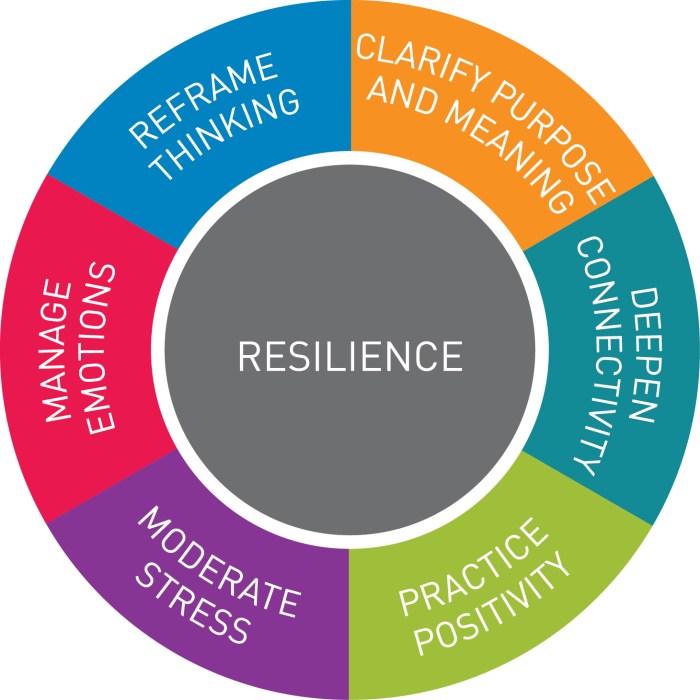
Maintaining emotional balance is crucial for teachers to enhance their mental resilience. Emotional wellbeing plays a significant role in how teachers handle stress and challenging situations. Cultivating emotional resilience can help teachers navigate difficulties effectively and maintain a positive mindset in the face of adversity.
Practice Mindfulness
- Engage in mindfulness practices such as meditation or deep breathing exercises to stay present and calm.
- Take short breaks throughout the day to check in with your emotions and refocus your energy.
- Practice gratitude to shift your perspective and cultivate a positive mindset.
Build Supportive Relationships
- Connect with colleagues or friends to share experiences and seek support when needed.
- Join a teacher support group or network to exchange ideas and strategies for managing emotions.
- Seek professional help if you feel overwhelmed or unable to cope with emotional challenges on your own.
Set Boundaries and Prioritize Self-Care
- Establish clear boundaries between work and personal life to prevent burnout and maintain a healthy balance.
- Engage in activities that bring you joy and relaxation outside of work to recharge your emotional batteries.
- Practice self-compassion and treat yourself with kindness and understanding, especially during difficult times.
Active Lifestyle Promotion
Leading an active lifestyle has numerous benefits for teachers, especially when it comes to mental health. Regular physical activity can help reduce stress, improve mood, boost energy levels, and enhance overall well-being.
Incorporating Physical Activity into Daily Routines, Mental resilience resources for teachers
It’s essential for teachers to find ways to incorporate physical activity into their daily routines, even with busy schedules. Here are some simple suggestions:
- Take short walks during breaks or lunchtime to get some fresh air and stretch your legs.
- Use stairs instead of elevators whenever possible to sneak in some extra movement.
- Set a timer to remind yourself to stand up and stretch every hour while working.
- Consider joining a fitness class or sports group after school hours to stay active and socialize.
Simple Exercises for Teachers
Here are a few examples of exercises that teachers can easily incorporate into their day:
- Desk Stretches: Neck rolls, shoulder shrugs, and wrist stretches can be done right at your desk to relieve tension.
- Leg Lifts: While sitting, lift one leg at a time and hold for a few seconds to engage your core and leg muscles.
- Wall Push-Ups: Use a wall for support and perform push-ups to strengthen your arms and chest.
- Walking Meetings: Instead of sitting in a meeting, suggest a walking meeting to discuss ideas while staying active.
Cardiovascular Health Importance
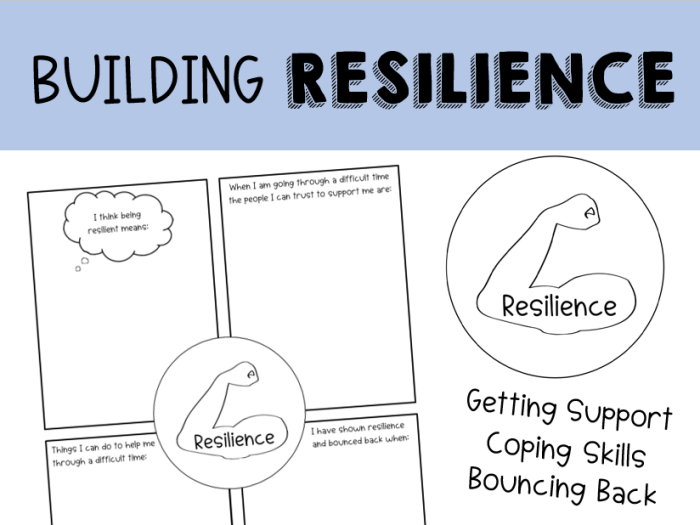
Maintaining good cardiovascular health is crucial for enhancing mental resilience among teachers. A strong link exists between cardiovascular health and mental well-being, as a healthy heart contributes to improved cognitive function and overall emotional stability. By prioritizing cardiovascular health, teachers can better cope with stress, stay focused, and manage their workload effectively.
Benefits of Cardiovascular Exercise for Teachers
Regular cardiovascular exercise such as running, cycling, or swimming can significantly enhance cognitive function for teachers. Physical activity stimulates blood flow to the brain, promoting the growth of new brain cells and improving overall brain function. This can result in better concentration, memory retention, and problem-solving skills, essential for managing a classroom environment effectively.
- Engage in aerobic exercises such as brisk walking, jogging, or dancing to improve cardiovascular health.
- Include interval training to boost heart health and increase endurance levels.
- Participate in group fitness classes or sports activities to make exercise more enjoyable and social.
- Set achievable fitness goals and track your progress to stay motivated and consistent with your workouts.
Healthy Lifestyle Choices for Heart Health
In addition to regular exercise, maintaining a healthy heart involves making mindful lifestyle choices. Teachers can prioritize their cardiovascular health by adopting the following habits:
- Eat a balanced diet rich in fruits, vegetables, whole grains, and lean proteins to support heart health.
- Avoid smoking and limit alcohol consumption to reduce the risk of heart disease and improve overall well-being.
- Manage stress through relaxation techniques such as meditation, deep breathing, or yoga to promote heart health and emotional resilience.
- Get an adequate amount of sleep each night to allow your body to rest and recover, supporting cardiovascular function and mental clarity.
Healthy Recipes for Teachers
When it comes to supporting mental resilience, a balanced diet plays a crucial role. As a teacher, it’s important to fuel your body with nutritious meals that can help sustain your energy levels and mood throughout the day. Here are some healthy recipe ideas and meal planning tips to assist busy teachers in eating healthily.
Nutritious Recipe Ideas
One great option for a quick and nutritious meal is a quinoa salad with mixed vegetables and a lemon vinaigrette dressing. This dish is packed with protein, fiber, and vitamins, providing you with the necessary nutrients to stay focused and energized.
Meal Planning Tips
- Set aside some time on the weekend to plan your meals for the upcoming week. This can help you make healthier choices and avoid the temptation of unhealthy fast food options.
- Prepare ingredients in advance, such as chopping vegetables or marinating proteins, to save time during the busy workweek.
- Invest in quality food storage containers to pack your lunches and snacks, ensuring you have nutritious options readily available.
Impact of a Balanced Diet
A balanced diet not only fuels your body but also impacts your mental wellbeing. Consuming nutrient-dense foods can help regulate your mood, improve cognitive function, and boost overall energy levels. By prioritizing healthy eating habits, teachers can enhance their resilience and performance in the classroom.
Immune Support Strategies
Boosting the immune system is crucial for teachers to handle stress effectively and maintain mental resilience. A strong immune system can help the body fight off illnesses and keep the mind healthy.
Incorporating Immune-Boosting Foods
- Include plenty of fruits and vegetables in your diet, such as berries, citrus fruits, and leafy greens.
- Incorporate immune-boosting spices like turmeric, ginger, and garlic into your meals.
- Ensure you are getting enough vitamin C and zinc, which are essential for immune health.
Supplements for Immune Support
- Consider taking vitamin D supplements, especially during the winter months when sunlight exposure is limited.
- Probiotics can also help support gut health, which is closely linked to immune function.
- Consult with a healthcare professional before starting any new supplement regimen.
- Include a variety of fruits and vegetables in your daily meals to ensure you get a wide range of vitamins and minerals.
- Incorporate lean proteins, such as chicken, fish, tofu, or legumes, to support muscle function and energy levels.
- Choose whole grains like brown rice, quinoa, or whole-wheat bread to provide sustained energy throughout the day.
- Don’t forget healthy fats from sources like avocados, nuts, seeds, and olive oil to support brain health and mood stability.
- Avoid excessive sugar and processed foods, as they can lead to energy crashes and mood fluctuations.
- Omega-3 fatty acids found in fatty fish like salmon and walnuts can help improve cognitive function and support overall brain health.
- Vitamin D from sunlight exposure or supplements plays a role in mood regulation and can help prevent symptoms of depression.
- Magnesium, found in nuts, seeds, and leafy greens, is essential for relaxation and stress management.
- B-vitamins, such as folate and B12, are important for neurotransmitter function and can impact mood and cognitive performance.
- Amino acids like tryptophan (found in turkey and dairy) and tyrosine (found in nuts and seeds) are precursors to neurotransmitters that regulate mood and stress responses.
Stress Relief Techniques
Managing stress is crucial for teachers to maintain mental resilience and overall well-being. By incorporating effective stress relief techniques into their daily routine, teachers can better cope with the demands of their profession and avoid burnout.
Deep Breathing Exercises
Deep breathing exercises are simple yet powerful tools to reduce stress and promote relaxation. Teachers can practice deep breathing by inhaling deeply through the nose, holding the breath for a few seconds, and exhaling slowly through the mouth. This technique can be done anytime, anywhere, making it a convenient stress relief method for busy teachers.
Mindfulness Meditation
Mindfulness meditation involves focusing on the present moment without judgment. Teachers can benefit from mindfulness meditation by taking a few minutes each day to sit quietly, focus on their breath, and observe their thoughts and feelings without getting caught up in them. This practice can help reduce stress, improve concentration, and enhance overall well-being.
Physical Activity
Engaging in regular physical activity is an effective way for teachers to manage stress and boost their mood. Whether it’s going for a brisk walk during lunch break, practicing yoga after school, or participating in a fitness class, physical activity can help release tension, increase endorphins, and improve overall mental health.
Journaling
Journaling is a therapeutic practice that can help teachers process their emotions, reduce stress, and gain perspective on challenging situations. By writing down their thoughts, feelings, and experiences, teachers can identify patterns, set goals, and cultivate self-awareness. Journaling can be a valuable tool for promoting emotional well-being and resilience.
Nutritional Balance Tips
Maintaining a balanced diet is crucial for overall health, including mental resilience. Proper nutrition provides the necessary nutrients for optimal brain function and emotional well-being. Here are some guidelines to help teachers create balanced meals to support their mental health.
Guidelines for Creating Balanced Meals
Impact of Specific Nutrients on Cognitive Function and Mood Stability
FAQ Compilation
How can mental resilience benefit teachers in their profession?
Mental resilience can help teachers cope with the challenges they face, maintain emotional balance, and enhance overall performance in the classroom.
What are some examples of healthy habits that can boost mental resilience?
Healthy habits like regular exercise, proper nutrition, adequate sleep, and stress management techniques can all contribute to enhancing mental resilience.
How can teachers incorporate active lifestyle promotion into their daily routines?
Teachers can include physical activities like short walks, stretching exercises, or mindfulness practices during breaks or after school hours to promote an active lifestyle.


More Stories