Importance of Nutritional Balance for Athletes
Maintaining a proper nutritional balance is crucial for athletes as it directly impacts their overall performance, recovery, and overall health. Adequate nutrition ensures that athletes have the energy, strength, and endurance needed to excel in their respective sports.
Impact on Athletic Performance
Nutritional balance can significantly impact athletic performance in various ways. For example, inadequate intake of carbohydrates can lead to fatigue and decreased endurance during training or competitions. Insufficient protein consumption may hinder muscle recovery and growth, affecting strength and power output. Moreover, inadequate hydration can impair cognitive function and overall physical performance.
Role of Macronutrients and Micronutrients
Macronutrients, including carbohydrates, proteins, and fats, are essential for providing energy, repairing tissues, and regulating various bodily functions. Carbohydrates serve as the primary energy source for high-intensity activities, while proteins are crucial for muscle repair and growth. Fats play a role in hormone production and nutrient absorption.
On the other hand, micronutrients such as vitamins and minerals are vital for supporting metabolic processes, immune function, and overall health. For instance, iron is necessary for oxygen transport in the blood, while vitamin D is crucial for bone health and immune function. Adequate intake of micronutrients ensures optimal performance and recovery for athletes.
Key Nutrients for Athletes: Nutritional Balance For Athletes
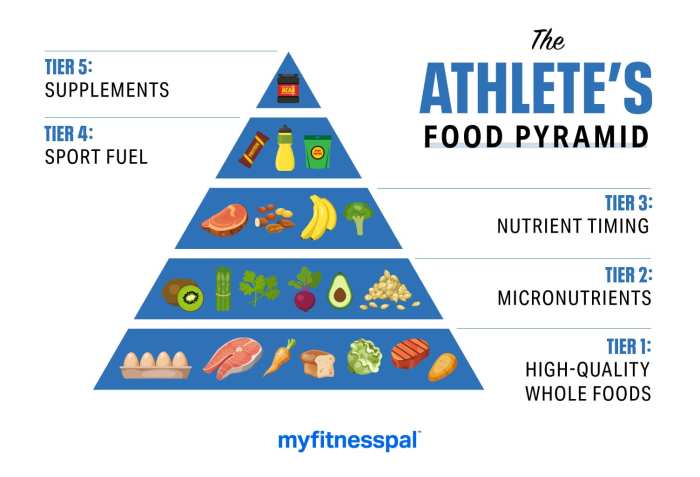
Proper nutrition is essential for athletes to perform at their best and achieve optimal results. Athletes require specific nutrients to support their training, recovery, and overall performance.
Hydration: The Foundation of Athletic Performance
Maintaining proper hydration is crucial for athletes as even mild dehydration can impair performance and increase the risk of injuries. Water plays a key role in regulating body temperature, transporting nutrients, and removing waste products. Athletes should aim to stay adequately hydrated before, during, and after training or competition to ensure peak athletic condition.
Carbohydrates: Fuel for Energy
Carbohydrates are the primary source of energy for athletes, especially during high-intensity workouts or endurance events. They are stored in muscles and the liver as glycogen, which is essential for sustaining performance during prolonged exercise. Athletes should focus on consuming complex carbohydrates like whole grains, fruits, and vegetables to maintain energy levels and support optimal performance.
Proteins: Building Blocks for Recovery
Proteins are crucial for muscle repair, recovery, and growth in athletes. They help repair damaged muscle tissues and support immune function, especially after intense training sessions. Athletes should include lean sources of protein such as chicken, fish, tofu, and legumes in their diet to promote muscle recovery and overall performance.
Fats: Essential for Hormone Production
Healthy fats play a vital role in hormone production, cell membrane function, and energy storage for athletes. Omega-3 fatty acids, found in fatty fish, nuts, and seeds, have anti-inflammatory properties that can aid in recovery and reduce muscle soreness. Including a moderate amount of healthy fats in the diet can help athletes maintain overall health and performance.
Meal Planning and Timing
Proper meal planning and timing are crucial for athletes to ensure they are fueling their bodies correctly to optimize performance and recovery.
Planning Balanced Meals
- Include a variety of macronutrients such as carbohydrates, proteins, and fats in each meal to support energy levels and muscle repair.
- Focus on whole, nutrient-dense foods like fruits, vegetables, whole grains, lean proteins, and healthy fats.
- Consider meal timing around training sessions to provide adequate energy and nutrients when they are needed most.
Significance of Meal Timing
- Consuming a balanced meal with carbohydrates and proteins before a workout can provide the necessary energy and nutrients for optimal performance.
- Eating a meal rich in protein and carbohydrates post-workout can help replenish glycogen stores and support muscle recovery and growth.
- Timing meals strategically can also help prevent fatigue, improve recovery time, and enhance overall athletic performance.
Pre-workout and Post-workout Meal Ideas
- Pre-workout: A banana with almond butter, Greek yogurt with berries, or a turkey and avocado sandwich on whole grain bread.
- Post-workout: Grilled chicken with quinoa and roasted vegetables, a protein smoothie with spinach and banana, or salmon with sweet potatoes and steamed broccoli.
- Remember to hydrate adequately before and after workouts to support optimal performance and recovery.
Supplements for Athletes
Nutritional balance for athletes – Supplements play a crucial role in supporting athletes’ nutritional requirements, especially when their diet alone may not provide all the necessary nutrients. These supplements can help athletes meet their performance goals and aid in recovery.
Common Supplements for Athletes
- Protein Powders: Protein is essential for muscle repair and growth. Protein powders like whey, casein, or plant-based options can help athletes meet their protein needs.
- Creatine: Creatine is known to improve strength and power output during high-intensity workouts, making it a popular supplement among athletes involved in explosive sports.
- BCAAs (Branched-Chain Amino Acids): BCAAs can aid in muscle recovery and reduce muscle soreness, which is beneficial for athletes engaging in intense training sessions.
- Omega-3 Fatty Acids: Omega-3s have anti-inflammatory properties and support cardiovascular health, which can benefit athletes looking to reduce inflammation and improve recovery.
Consulting a Healthcare Professional
Athletes should always consult with a healthcare professional, such as a sports dietitian or a physician, before incorporating supplements into their regimen. This is important to ensure that the supplements are safe, effective, and align with the individual athlete’s needs and goals.
Balancing Nutritional Needs with Athletic Goals
To optimize athletic performance, it is essential for athletes to align their nutritional intake with their specific goals. Tailoring nutrition plans based on individual needs and performance objectives can make a significant difference in achieving desired outcomes.
Adjusting Calorie Intake for Training Intensity
Athletes should adjust their calorie intake based on the intensity of their training sessions. Higher intensity workouts require more energy, so it is crucial to increase calorie consumption during these periods to fuel the body adequately. On the other hand, rest days or lighter training sessions may necessitate a decrease in calorie intake to avoid excess energy consumption.
- For endurance athletes: Focus on consuming complex carbohydrates to sustain energy levels during long training sessions or competitions. Include lean protein sources and healthy fats to support muscle recovery and overall performance.
- For strength trainers: Prioritize protein intake to support muscle growth and repair. Incorporate carbohydrates to fuel intense strength training sessions and include healthy fats for sustained energy.
- For other sports disciplines: Tailor nutrition plans to meet the specific demands of the sport, whether it requires explosive power, agility, or a combination of various physical attributes. Adjust macronutrient ratios accordingly to optimize performance.
Strategies for Maintaining Nutritional Balance
Maintaining a balanced diet is crucial for athletes, even when faced with challenges like traveling or busy schedules. By prioritizing nutrient intake and making smart choices, athletes can ensure they are fueling their bodies effectively.
Eating Variety of Foods
It’s important for athletes to consume a variety of foods to ensure they are getting all the necessary nutrients. Different foods provide different vitamins, minerals, and macronutrients, so incorporating a range of options in meals is key.
Tips for Grocery Shopping and Meal Prepping
- Plan ahead and make a list of nutritious foods to buy at the grocery store.
- Opt for whole foods like fruits, vegetables, lean proteins, and whole grains.
- Prepare meals in advance to have healthy options readily available during busy times.
- Utilize meal prep containers to portion out meals and snacks for easy grab-and-go options.
Eating Out with Nutritional Balance in Mind
- Look for restaurants that offer healthy options or customizable meals.
- Choose grilled, steamed, or roasted dishes over fried or creamy options.
- Opt for salads, lean proteins, and whole grains when dining out.
- Be mindful of portion sizes and listen to your body’s hunger cues to avoid overeating.
Impact of Emotional Wellbeing on Nutritional Balance
Emotional wellbeing plays a significant role in an athlete’s nutritional balance. The state of one’s emotions and mental health can greatly influence their eating habits and overall dietary choices. It is essential to understand the connection between emotional wellbeing, stress, and how they impact nutritional intake.
Influence of Emotions on Eating Habits
Emotions such as stress, anxiety, or sadness can lead athletes to make poor food choices or overeat as a way to cope with their feelings. This emotional eating can disrupt the balance of nutrients in their diet and hinder their athletic performance.
Strategies for Promoting a Positive Relationship with Food, Nutritional balance for athletes
1. Practice mindful eating: Encourage athletes to be present and aware of their food choices, savoring each bite and paying attention to hunger cues.
2. Seek professional help: If emotional issues are significantly impacting an athlete’s eating habits, it may be beneficial to consult with a sports psychologist or nutritionist.
3. Develop healthy coping mechanisms: Encourage athletes to find alternative ways to manage stress or emotions, such as exercise, meditation, or engaging in hobbies.
4. Focus on balanced meals: Emphasize the importance of consuming a variety of nutrient-dense foods to support both physical and emotional wellbeing.
5. Prioritize self-care: Encourage athletes to prioritize self-care activities that promote relaxation and reduce stress, which can positively impact their relationship with food.
Immune Support and Nutritional Balance
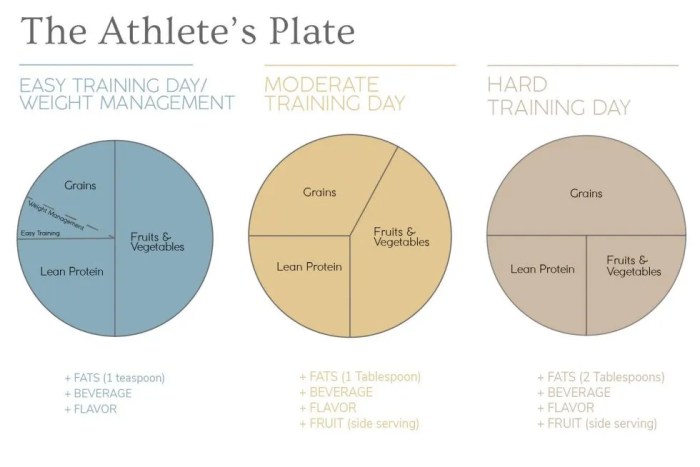
Proper nutrition plays a crucial role in strengthening the immune system of athletes, helping them stay healthy and perform at their best. By maintaining a well-balanced diet, athletes can ensure they are getting the necessary nutrients to support their immune function.
Nutrients for Immune Function
- Vitamin C: Known for its immune-boosting properties, vitamin C can help reduce the duration and severity of colds and infections.
- Vitamin D: Important for regulating the immune system and reducing the risk of respiratory infections.
- Zinc: Supports immune cell function and helps fight off viruses and bacteria.
Tips for Immune Support
- Include a variety of fruits and vegetables in your diet to ensure you are getting a wide range of vitamins and minerals.
- Stay hydrated by drinking plenty of water throughout the day to support immune function.
- Avoid excessive consumption of processed foods and sugars, as they can weaken the immune system.
FAQ Compilation
How does hydration impact athletic performance?
Proper hydration is crucial for athletes as it helps regulate body temperature, maintain electrolyte balance, and support overall performance.
What are some common supplements used by athletes?
Athletes often use supplements like protein powders, creatine, and BCAAs to support their nutritional needs and enhance performance.
How can athletes adjust their calorie intake based on training intensity?
Athletes can increase or decrease their calorie intake based on the intensity of their training to ensure they are adequately fueling their bodies.
Why is variety in food choices important for athletes?
Consuming a variety of foods ensures athletes get a wide range of nutrients necessary for optimal performance and overall health.
What role does emotional wellbeing play in maintaining nutritional balance?
Emotional wellbeing can impact an athlete’s eating habits, highlighting the importance of a positive relationship with food for overall health.


More Stories