Healthy Habits
Instilling healthy habits in children is crucial for their overall well-being. These habits not only help kids manage stress effectively but also promote a healthy lifestyle that can benefit them in the long run.
Examples of Healthy Habits
- Regular physical activity: Engaging in sports, outdoor games, or simply going for a walk can help kids release pent-up energy and reduce stress levels.
- Healthy eating habits: Encouraging children to consume a balanced diet rich in fruits, vegetables, and whole grains can boost their mood and energy levels.
- Adequate sleep: Ensuring that kids get enough restful sleep each night is essential for their mental and physical well-being.
- Practicing mindfulness: Teaching children relaxation techniques such as deep breathing, meditation, or yoga can help them calm their minds and manage stress effectively.
Consistency in practicing these healthy habits can have a positive impact on a child’s mental and physical health. When kids make these habits a part of their daily routine, they are better equipped to deal with stressors and challenges that come their way. By instilling these habits early on, parents and caregivers can set the foundation for a lifetime of well-being for their children.
Emotional Wellbeing
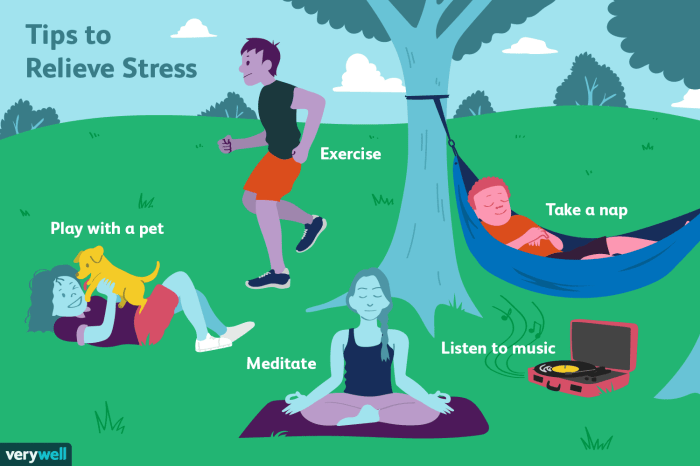
Emotional wellbeing plays a crucial role in the overall mental health of children, especially when it comes to managing stress. When kids are emotionally aware and resilient, they are better equipped to handle challenging situations and regulate their emotions effectively.
Promoting Emotional Awareness and Resilience
- Encourage open communication: Create a safe space for children to express their feelings without judgment.
- Teach mindfulness techniques: Introduce practices like deep breathing or guided imagery to help kids stay present and calm.
- Validate emotions: Let children know that it’s okay to feel a range of emotions and help them identify and label their feelings.
Role of Emotional Intelligence in Coping with Stress
- Developing empathy: Encourage children to understand and empathize with the emotions of others, which can enhance their own emotional intelligence.
- Problem-solving skills: Teach kids how to identify the root causes of their stress and find constructive ways to address them.
- Self-regulation: Help children learn to manage their emotions and reactions in a healthy manner, fostering resilience in the face of stressors.
Healthy Aging
Engaging in stress relief activities during childhood can significantly contribute to healthy aging in the future. By teaching kids stress management techniques early on, we are equipping them with valuable tools to handle stressors as they grow older. This can have a positive impact on their overall health and wellbeing as they age.
Long-term Benefits of Teaching Stress Management
Teaching kids stress management techniques at a young age can lead to long-term benefits for their mental and physical health as they age. By learning how to cope with stress in a healthy way, children are better equipped to handle challenging situations throughout their lives. This can reduce the risk of developing chronic stress-related conditions such as anxiety, depression, and high blood pressure in the future.
- Practicing mindfulness and meditation: Encouraging children to practice mindfulness and meditation can help them develop a sense of calm and inner peace, which can carry over into adulthood.
- Engaging in physical activity: Regular exercise not only helps reduce stress but also promotes overall health and longevity. Encouraging kids to stay active can set the foundation for a healthy lifestyle as they age.
- Encouraging creative outlets: Activities such as art, music, or writing can serve as effective stress relievers for children. Providing opportunities for creative expression can help kids manage their emotions and reduce stress levels.
Active Lifestyle
Physical activity plays a crucial role in helping children manage stress effectively. Engaging in regular exercise not only promotes physical health but also has a positive impact on mental well-being.
Fun Ways to Incorporate Physical Exercise
- Encourage outdoor playtime: Encouraging children to play outside, whether it’s riding a bike, playing tag, or kicking a ball around, can be a fun way to incorporate physical activity into their daily routine.
- Dance parties: Turn up the music and have a dance party with your kids. Dancing is a great way to get moving and release pent-up energy.
- Sports activities: Enroll your child in a sports team or class that they enjoy, such as soccer, basketball, or swimming. This not only promotes physical fitness but also teaches important skills like teamwork and sportsmanship.
Benefits of an Active Lifestyle
Regular physical activity can help children manage stress more effectively by releasing endorphins, the body’s natural stress relievers. Engaging in exercise also provides a healthy outlet for emotions, reduces feelings of anxiety, and improves overall mood. Encouraging an active lifestyle in children from a young age sets the foundation for a lifetime of healthy habits and effective stress management.
Cardiovascular Health: Stress Relief Activities For Kids
Stress can have a significant impact on cardiovascular health in children. When kids experience stress, their bodies release hormones like cortisol and adrenaline, which can increase heart rate and blood pressure. Over time, chronic stress can lead to inflammation in the arteries, making them more susceptible to damage and increasing the risk of heart disease later in life.
Stress Relief Activities for a Healthy Heart
- Physical activity: Encouraging children to engage in regular exercise, such as running, swimming, or biking, can help reduce stress levels and improve cardiovascular health.
- Yoga and mindfulness: Practicing yoga and mindfulness techniques can help children relax, reduce anxiety, and lower blood pressure, benefiting their heart health.
- Spending time in nature: Being outdoors and connecting with nature has been shown to lower stress levels and promote overall well-being, including cardiovascular health.
Importance of Cardiovascular Health, Stress relief activities for kids
Maintaining a healthy heart is crucial for overall well-being, as the heart is responsible for pumping blood and oxygen throughout the body. Cardiovascular health not only reduces the risk of heart disease but also supports other bodily functions, such as cognitive performance and immune system function. By managing stress and promoting activities that support a healthy heart, children can lay the foundation for a lifetime of good cardiovascular health.
Healthy Recipes
Incorporating nutritious recipes into a child’s diet can play a significant role in alleviating stress and promoting relaxation. By fueling their bodies with the right nutrients, children can better manage stress and maintain overall well-being.
Nutrient-packed Smoothies
- Blend together spinach, banana, and berries for a vitamin-rich smoothie.
- Add a tablespoon of chia seeds for an extra boost of omega-3 fatty acids.
- Use unsweetened almond milk as a dairy-free alternative for a creamy texture.
Healthy Snack Ideas
- Prepare apple slices with almond butter and a sprinkle of cinnamon for a balanced snack.
- Roast chickpeas with a dash of turmeric and cumin for a crunchy and protein-packed treat.
- Create veggie sticks with hummus for a satisfying and nutrient-dense snack.
Mental Resilience
Mental resilience is the ability to adapt well in the face of adversity, trauma, tragedy, or stress. It involves bouncing back from difficult experiences and being able to maintain a positive outlook despite challenges.
Building Mental Resilience in Children
Stress relief activities for kids – Building mental resilience in children is crucial for their overall well-being and success in life. Here are some strategies to help kids develop mental resilience:
- Encourage problem-solving skills: Teach children how to analyze situations, identify solutions, and make decisions independently.
- Promote a growth mindset: Encourage kids to view challenges as opportunities for growth and learning rather than obstacles.
- Teach coping mechanisms: Help children develop healthy coping mechanisms such as deep breathing, mindfulness, and positive self-talk.
- Encourage social connections: Foster strong relationships with family and friends to provide support during difficult times.
Benefits of Fostering Resilience in Kids
Fostering resilience in children can help them navigate challenges and stressful situations more effectively. It can lead to:
- Improved problem-solving skills and decision-making abilities.
- Increased self-confidence and self-esteem.
- Enhanced emotional regulation and stress management.
- Better mental health outcomes and overall well-being.
Immune Support
Stress relief activities play a crucial role in boosting immune support in children. When kids are less stressed, their immune system functions more effectively, helping them fight off illnesses and stay healthy.
Immune-Boosting Activities
- Outdoor play: Encouraging children to spend time outdoors, whether it’s playing sports, going for a nature walk, or simply enjoying the fresh air, can help boost their immune system.
- Yoga and mindfulness: Practicing yoga and mindfulness activities can reduce stress levels and promote relaxation, which in turn enhances immune function in kids.
- Healthy diet: Providing children with a balanced and nutritious diet rich in fruits, vegetables, and whole grains can support their immune system and overall health.
- Adequate sleep: Ensuring that children get enough sleep each night is essential for a strong immune system, as sleep helps the body repair and regenerate cells.
Stress Levels and Immune Function
Stress has a direct impact on the immune system in children. High levels of stress can weaken the immune response, making children more susceptible to infections and illnesses. By engaging in stress relief activities, kids can lower their stress levels and boost their immune function, leading to better overall health and well-being.
Stress Relief
Children can often experience stress from school, relationships, or other aspects of their lives. It is important to provide them with tools and activities to help them unwind and relax. Here are some stress relief activities specifically designed for kids:
Outdoor Play
- Encourage children to spend time outdoors playing in nature, which can help reduce stress and anxiety.
- Activities like biking, hiking, or playing sports can be great ways for kids to release pent-up energy and tension.
Art and Creativity
- Art activities such as drawing, painting, or crafting can be therapeutic for children and help them express their emotions.
- Creating a calming environment with soft music and art supplies can encourage kids to relax and unwind.
Mindfulness and Breathing Exercises
- Teaching children simple mindfulness techniques like deep breathing or meditation can help them manage stress and stay calm.
- Encourage kids to take deep breaths and focus on the present moment to reduce anxiety and tension.
Yoga and Stretching
- Introducing children to yoga poses and stretching exercises can improve their flexibility and promote relaxation.
- Practicing yoga can help kids connect with their bodies and minds, easing stress and promoting a sense of well-being.
Nutritional Balance
Proper nutrition plays a crucial role in managing stress in children by providing the essential nutrients needed for overall well-being and mental health.
Foods to Alleviate Stress and Anxiety
- Include foods rich in omega-3 fatty acids, such as salmon, walnuts, and flaxseeds, to support brain health and reduce anxiety.
- Dark chocolate can help in releasing endorphins and reducing stress levels when consumed in moderation.
- Foods high in magnesium, like spinach, almonds, and avocado, can help relax muscles and calm the mind.
- Complex carbohydrates found in whole grains and fruits can boost serotonin levels, promoting feelings of happiness and relaxation.
Maintaining a Balanced Diet for Stress Relief
Ensuring a balanced diet is essential to support overall well-being and stress relief in children. Including a variety of fruits, vegetables, whole grains, lean proteins, and healthy fats in their meals can provide the necessary nutrients for optimal brain function and mood regulation.
Detailed FAQs
How can I create a calming environment for my child to unwind?
Try setting up a cozy corner with soft pillows, calming music, and dim lighting to help your child relax and de-stress.
Are there specific foods that can help alleviate stress in kids?
Foods rich in omega-3 fatty acids like salmon, nuts, and seeds can help reduce stress and promote relaxation in children.
What is the role of emotional intelligence in stress management for kids?
Emotional intelligence helps children understand and regulate their emotions, enabling them to cope with stress more effectively.


More Stories