Healthy Habits
Developing sustainable healthy habits is crucial for maintaining an active lifestyle and overall well-being. Consistency is key in forming these habits, as they contribute to better physical health, mental clarity, and increased energy levels. Here are some tips on how to cultivate healthy habits and examples of daily routines to incorporate into your lifestyle.
Tips for Developing Healthy Habits:
- Aim for a balanced diet rich in fruits, vegetables, lean proteins, and whole grains.
- Stay hydrated by drinking an adequate amount of water throughout the day.
- Engage in regular physical activity, such as walking, jogging, or yoga, to boost your metabolism and strengthen your body.
- Prioritize sleep and aim for 7-9 hours of quality rest each night.
- Practice stress-relieving techniques like meditation or deep breathing exercises to maintain emotional well-being.
Examples of Daily Routines for Health and Well-being:
- Start your day with a nutritious breakfast to fuel your body for the day ahead.
- Take short breaks throughout the day to stretch and move your body, especially if you have a sedentary job.
- Incorporate strength training exercises into your workout routine to build muscle and improve overall fitness.
- Limit processed foods and sugary drinks, opting for whole, nutrient-dense foods instead.
- Practice mindfulness and gratitude to cultivate a positive mindset and reduce stress levels.
Emotional Wellbeing
Maintaining emotional wellbeing is crucial for overall health and happiness. When it comes to an active lifestyle, there is a strong connection between physical activity and emotional wellbeing. Exercise releases endorphins, which are known as “feel-good” hormones, helping to reduce stress, anxiety, and symptoms of depression.
Strategies for Managing Stress and Promoting Emotional Resilience
- Regular exercise: Engaging in physical activity can help to reduce stress levels and improve mood.
- Mindfulness and meditation: Practicing mindfulness techniques can help to calm the mind and reduce anxiety.
- Healthy diet: Eating nutritious foods can support emotional wellbeing and overall mental health.
- Quality sleep: Getting enough rest is essential for emotional resilience and stress management.
- Seeking support: Talking to friends, family, or a therapist can provide emotional support and help manage stress.
Benefits of Engaging in Community Groups for Emotional Support
- Connection: Being part of a community group can help combat feelings of loneliness and isolation.
- Understanding: Sharing experiences with others who are going through similar challenges can provide a sense of understanding and empathy.
- Accountability: Being part of a group can help you stay motivated and committed to your healthy habits and emotional wellbeing.
- Learning: Community groups often provide opportunities for personal growth, learning new coping strategies, and gaining valuable insights from others.
- Support: Having a support system in place can be invaluable during times of stress or emotional turmoil, providing a safe space to express emotions and seek guidance.
Healthy Aging
Maintaining an active lifestyle plays a crucial role in promoting healthy aging. Regular physical activity not only helps in managing weight and reducing the risk of chronic diseases but also contributes to overall wellbeing as we age.
Benefits of Staying Active
- Improves cardiovascular health and circulation
- Strengthens muscles and bones, reducing the risk of falls and fractures
- Boosts mental health and cognitive function
- Enhances flexibility and balance
- Increases energy levels and promotes better sleep
Tips for Staying Active
- Engage in a variety of physical activities, including aerobic exercises, strength training, and flexibility exercises
- Set realistic goals and gradually increase intensity and duration of workouts
- Find activities you enjoy to stay motivated and consistent
- Stay hydrated and maintain a balanced diet to support your active lifestyle
- Listen to your body and adjust your routine as needed to prevent injuries
Role of Community Groups
Community groups play a vital role in supporting healthy aging practices by providing social connections, motivation, and a sense of belonging. These groups often offer group fitness classes, wellness workshops, and social events tailored to older adults. By participating in community activities, seniors can stay active, engaged, and connected with others, contributing to a fulfilling and healthy lifestyle as they age.
Active Lifestyle
Active lifestyle community groups near me – An active lifestyle refers to a way of living that involves regular physical activity and exercise. It encompasses engaging in activities that promote movement, such as walking, running, cycling, swimming, or participating in sports.
Benefits of an Active Lifestyle, Active lifestyle community groups near me
- Improves cardiovascular health and reduces the risk of heart disease
- Helps maintain a healthy weight and reduces the risk of obesity
- Boosts mood and mental wellbeing by releasing endorphins
- Increases strength, flexibility, and overall physical fitness
Activities for Different Fitness Levels
It’s important to choose activities that are suitable for your fitness level to prevent injury and make the experience enjoyable. Here are some examples:
| Beginner | Intermediate | Advanced |
|---|---|---|
| Walking or light jogging | Swimming or cycling | High-intensity interval training (HIIT) or weightlifting |
| Yoga or Pilates | Dance classes or hiking | Marathons or triathlons |
Importance of Social Interactions
Engaging in physical activities with others can provide motivation, accountability, and a sense of community. Social interactions can make exercise more enjoyable and increase the likelihood of maintaining an active lifestyle in the long term.
Cardiovascular Health
Regular physical activity is essential for maintaining cardiovascular health. By engaging in an active lifestyle, individuals can significantly reduce the risk of heart disease, stroke, and other cardiovascular conditions. Exercise helps strengthen the heart muscle, improve blood circulation, and lower blood pressure, contributing to overall heart health.
Benefits of Regular Exercise for Heart Health
Regular exercise can improve cardiovascular health in various ways, such as:
- Reducing the risk of developing heart disease
- Lowering blood cholesterol levels
- Improving blood flow and oxygen delivery to the heart
- Strengthening the heart muscle
- Regulating blood pressure
Cardiovascular-Friendly Activities within Community Groups
Community groups can offer a range of activities that promote cardiovascular health, including:
- Group fitness classes, such as aerobics, dance, or cycling
- Walking or jogging groups
- Swimming or water aerobics classes
- Outdoor activities like hiking or biking
- Social sports leagues, such as basketball or soccer
Healthy Recipes
Incorporating nutritious and easy-to-prepare recipes into your diet can significantly support an active lifestyle. A balanced diet plays a crucial role in enhancing physical performance, providing the necessary nutrients and energy for optimal health and fitness. Meal planning is essential for individuals involved in active community groups to ensure they are fueling their bodies properly for their activities.
Protein-Packed Quinoa Salad
- Cooked quinoa
- Chopped vegetables (bell peppers, cucumbers, tomatoes)
- Chickpeas
- Feta cheese
- Fresh herbs (parsley, mint)
- Extra virgin olive oil
- Lemon juice
- Salt and pepper to taste
Green Smoothie Bowl
- Spinach
- Frozen banana
- Chia seeds
- Almond milk
- Toppings: sliced fruits, nuts, seeds, coconut flakes
Grilled Salmon with Asparagus
- Salmon fillets
- Lemon slices
- Garlic powder
- Paprika
- Asparagus spears
- Olive oil
- Salt and pepper to taste
Mental Resilience
Mental resilience plays a crucial role in maintaining an active lifestyle as it involves the ability to bounce back from setbacks, adapt to challenges, and cope with stress effectively.
Building Mental Toughness
Building mental toughness is essential for enhancing mental resilience. Here are some strategies to help you develop this trait:
- Practice mindfulness and meditation to improve focus and reduce stress.
- Set realistic goals and break them down into manageable steps to build confidence.
- Engage in regular physical exercise to boost mood and increase resilience to stress.
- Develop a positive mindset by focusing on gratitude and self-compassion.
Community Support for Mental Resilience
Community support can greatly enhance mental resilience by providing a network of individuals who offer encouragement, understanding, and practical help. Here are some ways community support can help:
- Participating in group activities and events to foster a sense of belonging and connection.
- Seeking advice and guidance from experienced mentors or peers within the community.
- Sharing experiences and challenges with others to gain different perspectives and insights.
Immune Support
Regular physical activity and healthy habits play a crucial role in supporting a strong immune system. By incorporating these practices into your daily routine, you can boost your body’s defenses and improve your overall health. Community engagement also plays a significant role in enhancing immune health, as social connections and support can positively impact your well-being.
Benefits of Physical Activity for Immunity
Regular exercise has been shown to have various benefits for the immune system. It can help flush bacteria out of the lungs and airways, increase circulation of white blood cells, and promote the release of endorphins, which can reduce stress and inflammation in the body. Additionally, physical activity can improve cardiovascular health, lower blood pressure, and reduce the risk of chronic diseases, all of which contribute to a stronger immune system.
Tips for Boosting Immunity
– Stay active: Aim for at least 150 minutes of moderate-intensity exercise per week.
– Eat a balanced diet: Include plenty of fruits, vegetables, whole grains, and lean proteins in your meals.
– Get enough sleep: Aim for 7-9 hours of quality sleep each night to allow your body to repair and regenerate.
– Manage stress: Practice relaxation techniques such as deep breathing, meditation, or yoga to reduce stress levels.
– Stay hydrated: Drink plenty of water throughout the day to support your immune system and overall health.
Community Engagement and Immune Health
Engaging with a community group can provide emotional support, reduce feelings of isolation, and boost mental well-being, all of which can have a positive impact on immune health. By participating in group activities, you can strengthen your social connections, build a sense of belonging, and improve your overall quality of life. This sense of community and support can help reduce stress levels, enhance emotional resilience, and ultimately support a healthy immune system.
Stress Relief
Living an active lifestyle can bring many benefits, but it can also come with its own set of stressors. It’s important to find effective ways to manage stress in order to maintain overall well-being.
Effective Stress Relief Techniques
- Practice deep breathing exercises to calm the mind and body.
- Engage in physical activities such as yoga or tai chi to release tension.
- Try progressive muscle relaxation techniques to reduce stress levels.
- Use visualization or guided imagery to create a sense of calmness.
Role of Relaxation and Mindfulness
Relaxation techniques and mindfulness practices play a crucial role in managing stress levels for individuals leading an active lifestyle. By incorporating these techniques into daily routines, individuals can improve their ability to cope with stress and maintain a sense of balance.
Stress-Relieving Activities within Community Groups
- Organize group meditation sessions to promote relaxation and stress relief.
- Plan outdoor nature walks or hikes to connect with the environment and reduce stress levels.
- Host group fitness classes such as dance or Zumba to release endorphins and boost mood.
- Arrange group therapy or counseling sessions to provide support and coping strategies for stress management.
Nutritional Balance
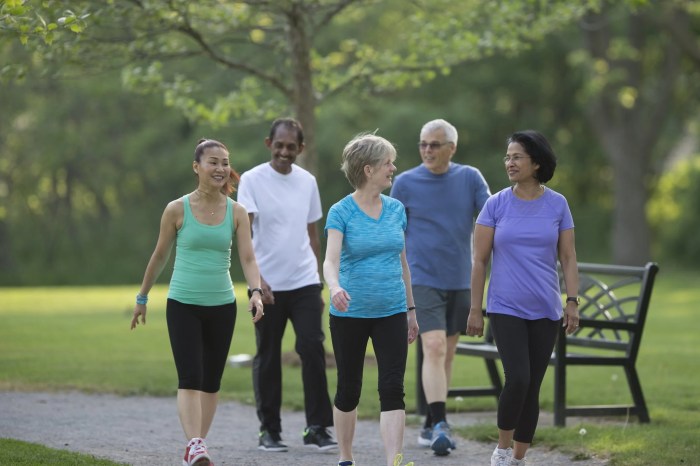
Maintaining a balanced diet is crucial for individuals in active lifestyle communities as it provides the necessary nutrients to support physical activities and overall well-being. By ensuring a proper nutritional balance, community members can optimize their performance, enhance recovery, and reduce the risk of injuries.
Tips for Achieving Nutritional Balance
- Include a variety of fruits and vegetables in your meals to ensure a wide range of vitamins and minerals.
- Incorporate lean protein sources such as poultry, fish, tofu, and legumes to support muscle repair and growth.
- Choose whole grains over refined grains for sustained energy levels and better digestion.
- Stay hydrated by drinking an adequate amount of water throughout the day, especially before and after physical activities.
- Avoid processed foods high in sugar, salt, and unhealthy fats, as they can hinder performance and recovery.
Community Support for Healthy Food Choices
Community groups play a vital role in supporting their members to make healthy food choices by organizing educational workshops, cooking classes, and sharing nutritious recipes. By creating a supportive environment and fostering a culture of healthy eating, community members can motivate each other to prioritize nutritional balance and overall wellness.
Questions and Answers: Active Lifestyle Community Groups Near Me
How can community groups support healthy aging practices?
Community groups can provide social connections, encouragement, and opportunities for engaging in physical activities that promote healthy aging.
What are some stress-relieving activities that can be done within community groups?
Yoga sessions, mindfulness workshops, and group walks are examples of stress-relieving activities that can be enjoyed in community settings.
How does community engagement impact immune health?
Community engagement can reduce feelings of loneliness and isolation, which in turn can have a positive impact on immune health by strengthening emotional well-being.


More Stories
Early Screenings: Preventing Disease Through Early Detection
Exercise routines for immune support: Boosting your health through physical activity
Healthy aging and stress management techniques: A Guide to Well-being in Later Years