Healthy Habits
Maintaining healthy habits is crucial for promoting healthy aging and overall well-being. By incorporating simple routines into your daily life, you can enhance your physical and mental health as you age.
Examples of Daily Routines for Healthy Aging
- Start your day with a nutritious breakfast to fuel your body and brain.
- Engage in regular physical activity such as walking, yoga, or swimming to improve strength and flexibility.
- Include a variety of fruits, vegetables, whole grains, and lean proteins in your meals for optimal nutrition.
- Practice mindfulness or meditation to reduce stress and enhance mental clarity.
Importance of Physical Activity for Healthy Aging
Regular physical activity is essential for maintaining muscle mass, bone density, and cardiovascular health as you age. It can help reduce the risk of chronic conditions such as heart disease, diabetes, and osteoporosis. Incorporating exercise into your daily routine can also improve balance, coordination, and overall quality of life.
Role of Sleep in Maintaining Health and Wellness
Quality sleep is essential for cognitive function, mood regulation, and immune system support.
Adequate rest allows your body to repair and rejuvenate, promoting overall health and well-being. Establishing a consistent sleep schedule and creating a relaxing bedtime routine can improve the quality of your sleep and contribute to healthy aging.
Tips for Staying Hydrated and its Significance in Healthy Aging
- Carry a reusable water bottle with you throughout the day to ensure you stay hydrated.
- Drink water before, during, and after physical activity to replenish fluids lost through sweat.
- Adequate hydration supports digestion, nutrient absorption, and skin health, contributing to healthy aging.
Emotional Wellbeing
Maintaining emotional wellbeing is crucial for healthy aging as it can have a significant impact on overall health and quality of life. Emotional health influences how individuals cope with stress, make decisions, and interact with others, ultimately affecting their physical health as well.
Stress Management Techniques
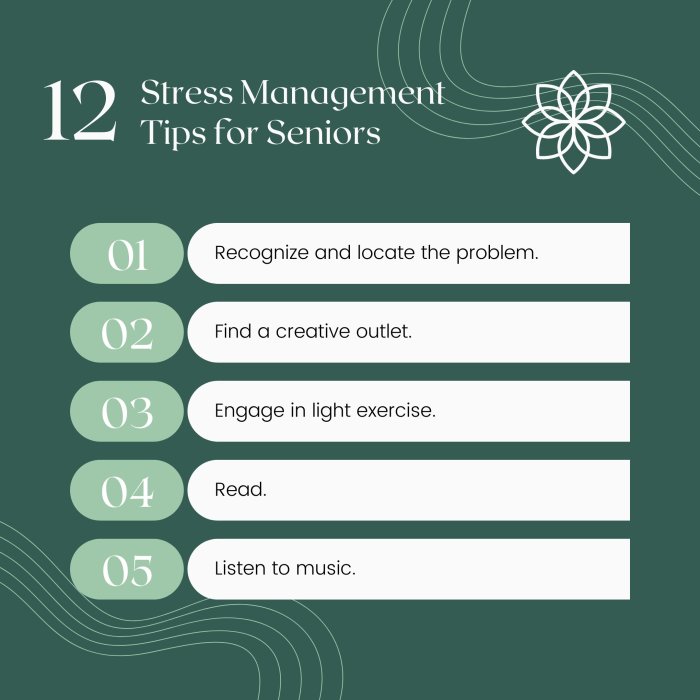
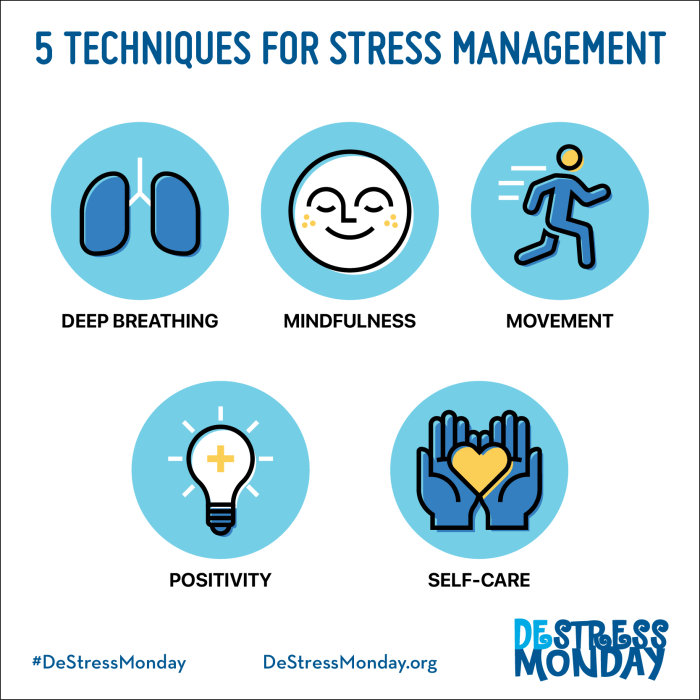
- Practice deep breathing exercises: Deep breathing can help calm the mind and reduce stress levels.
- Engage in regular physical activity: Exercise releases endorphins, which are known to improve mood and reduce anxiety.
- Connect with loved ones: Social support is essential for emotional wellbeing, so make time for meaningful connections with friends and family.
Benefits of Mindfulness and Meditation
- Reduction in stress levels: Mindfulness and meditation techniques can help individuals manage stress more effectively.
- Improved focus and concentration: Practicing mindfulness can enhance cognitive function and promote mental clarity.
- Enhanced self-awareness: Mindfulness allows individuals to become more in tune with their emotions and thoughts, leading to better self-regulation.
Activities for Relaxation and Anxiety Reduction
- Yoga: Combining physical postures, breathing techniques, and meditation, yoga is a holistic practice that promotes relaxation and reduces anxiety.
- Listening to music: Music has a powerful impact on emotions and can help individuals unwind and de-stress.
- Nature walks: Spending time in nature has been shown to have a calming effect on the mind and body, reducing stress and promoting emotional wellbeing.
Healthy Aging
Healthy aging and stress management techniques – Healthy aging refers to the process of developing and maintaining the functional ability that enables well-being in older age. It involves optimizing physical, mental, and social well-being to enhance quality of life as we grow older.
Strategies for Maintaining Cognitive Function
As we age, it’s important to engage in activities that stimulate the brain and support cognitive health. Some strategies include:
- Regular physical exercise to improve blood flow to the brain.
- Mental stimulation through activities like reading, puzzles, or learning new skills.
- A balanced diet rich in antioxidants and omega-3 fatty acids to support brain health.
- Social interaction to keep the mind engaged and reduce the risk of cognitive decline.
Importance of Social Connections
Maintaining strong social connections is crucial for healthy aging as it can help reduce feelings of loneliness, depression, and anxiety. Social interaction provides emotional support, boosts mental health, and promotes overall well-being in older adults.
Tips for Adapting to Age-Related Changes
Adapting to age-related changes in health and lifestyle can be challenging, but there are strategies to help navigate this transition smoothly:
- Stay physically active with exercises that are suitable for your age and fitness level.
- Practice mindfulness and stress management techniques to cope with changes and maintain emotional well-being.
- Seek support from healthcare professionals or support groups to address any health concerns or challenges.
- Embrace new hobbies and interests to stay engaged and fulfilled in life.
Active Lifestyle
Regular physical activity is essential for healthy aging as it helps to improve overall physical and mental well-being. An active lifestyle can contribute to maintaining muscle strength, flexibility, and balance, which are crucial for older adults to stay independent and mobile as they age.
Benefits of an Active Lifestyle on Healthy Aging
- Improves cardiovascular health and reduces the risk of chronic diseases such as heart disease, diabetes, and obesity.
- Enhances mood and mental health by reducing stress, anxiety, and depression.
- Increases bone density and reduces the risk of osteoporosis.
Low-Impact Exercises for Older Adults
- Walking: A simple and effective way to improve cardiovascular fitness and strengthen muscles.
- Swimming: Gentle on the joints and provides a full-body workout.
- Yoga: Helps improve flexibility, balance, and mental well-being.
Importance of Balance and Flexibility Exercises
- Balance exercises like standing on one leg or heel-to-toe walking help prevent falls and maintain stability.
- Flexibility exercises such as stretching can improve range of motion and reduce stiffness in muscles and joints.
Tips for Incorporating Physical Activity into Daily Life
- Take short walks during breaks at work or after meals.
- Join a group exercise class or fitness program tailored for older adults.
- Use household chores like gardening or cleaning as opportunities to stay active.
Cardiovascular Health: Healthy Aging And Stress Management Techniques
As we age, our cardiovascular health becomes increasingly important in maintaining overall well-being. The heart is a vital organ that requires proper care and attention to function optimally.
Relationship between Cardiovascular Health and Aging
As we get older, the risk of developing heart-related issues such as high blood pressure, heart disease, and stroke increases. It is crucial to prioritize cardiovascular health to prevent these conditions and ensure a healthy aging process.
Dietary Tips for Maintaining a Healthy Heart
Eating a balanced diet rich in fruits, vegetables, whole grains, lean proteins, and healthy fats can help support heart health. Limiting intake of saturated fats, sodium, and sugary foods is also essential for maintaining a healthy heart as we age.
- Include foods high in omega-3 fatty acids such as salmon, walnuts, and flaxseeds.
- Opt for lean proteins like skinless poultry, beans, and legumes.
- Reduce consumption of processed foods, sugary beverages, and foods high in trans fats.
Benefits of Regular Exercise for Heart Health
Engaging in regular physical activity can improve cardiovascular health, strengthen the heart muscle, and enhance overall circulation. Exercise also helps lower blood pressure, cholesterol levels, and reduces the risk of heart disease.
- Aerobic exercises like walking, jogging, swimming, or cycling are great for heart health.
- Strength training exercises can also benefit cardiovascular health by improving muscle strength and endurance.
- Consistent exercise routines promote longevity and reduce the risk of heart-related issues.
Heart-Healthy Recipes and Foods
Preparing heart-healthy meals at home can be delicious and nutritious. Incorporating nutrient-dense foods into your diet can support cardiovascular health and overall well-being.
- Grilled salmon with quinoa and roasted vegetables
- Vegetable stir-fry with tofu and brown rice
- Greek yogurt parfait with fresh berries and nuts
Healthy Recipes
When it comes to healthy aging, nutrition plays a crucial role in maintaining overall health and well-being. Eating a balanced diet filled with nutritious ingredients is essential for promoting longevity and vitality. Here, we will explore some delicious and nutritious recipes that support healthy aging, along with cooking tips and the benefits of incorporating superfoods into your daily meals.
Nutritious Breakfast Options
- Start your day with a nutrient-packed smoothie bowl made with mixed berries, spinach, Greek yogurt, and a sprinkle of chia seeds for added protein and fiber.
- Opt for a hearty oatmeal topped with sliced bananas, walnuts, and a drizzle of honey for a satisfying and energy-boosting breakfast.
Wholesome Lunch Ideas
- Prepare a colorful quinoa salad with roasted vegetables, chickpeas, and a lemon-tahini dressing for a nutritious and filling midday meal.
- Enjoy a nourishing Buddha bowl filled with brown rice, grilled tofu, avocado, and a variety of fresh veggies for a balanced and satisfying lunch option.
Nutrient-Dense Dinners
- Cook up a flavorful salmon fillet with a side of roasted sweet potatoes and steamed broccoli for a dinner rich in omega-3 fatty acids and essential nutrients.
- Whip up a vegetable stir-fry with tofu, bell peppers, snap peas, and a homemade teriyaki sauce for a quick and nutritious dinner that’s packed with flavor.
Benefits of Superfoods
Superfoods like blueberries, kale, almonds, and quinoa are nutrient powerhouses that offer a wide range of health benefits. Incorporating these ingredients into your meals can help boost your immune system, improve digestion, and protect against age-related diseases.
Mental Resilience
Building mental resilience is crucial for maintaining overall well-being, especially as we age. It involves the ability to adapt to stress, adversity, and challenges, and bounce back from difficult situations.
Strategies for Building Mental Resilience
- Practice mindfulness and meditation to stay present and manage stress.
- Cultivate a strong support system of friends and family to lean on during tough times.
- Stay physically active to boost mood and mental clarity.
- Develop problem-solving skills to navigate obstacles effectively.
- Prioritize self-care activities such as hobbies, relaxation, and adequate sleep.
Benefits of Lifelong Learning for Cognitive Health
- Continuous learning keeps the brain active and engaged, promoting cognitive health.
- Learning new skills and information can enhance memory and cognitive function.
- Engaging in educational activities stimulates the brain and fosters a sense of accomplishment.
Activities Promoting Mental Agility and Well-being
- Reading books, solving puzzles, and playing brain games to keep the mind sharp.
- Taking up new hobbies or interests to stimulate creativity and cognitive flexibility.
- Participating in social activities and discussions to stay mentally engaged and connected.
- Practicing gratitude and positive thinking to cultivate a resilient mindset.
Immune Support
Maintaining a strong immune system becomes increasingly important as we age, as the immune system naturally weakens over time. This can leave older adults more susceptible to infections and illnesses. However, there are steps we can take to support our immune health.
Changes in the Immune System with Age
As we age, the immune system undergoes changes that can impact its ability to effectively fight off infections. These changes include a decrease in the production of immune cells, a decline in the function of existing immune cells, and a decrease in the body’s ability to respond to vaccines.
Tips for Maintaining a Strong Immune System
- Get regular exercise to boost immune function and reduce inflammation.
- Ensure an adequate intake of vitamins and minerals, such as vitamin C, vitamin D, and zinc.
- Get enough sleep to support immune health and overall well-being.
- Manage stress levels, as chronic stress can weaken the immune system.
- Avoid smoking and limit alcohol consumption, as these habits can negatively impact immune function.
Role of Nutrition in Supporting Immune Health
Nutrition plays a crucial role in supporting immune health, as certain nutrients are essential for the proper functioning of the immune system. A balanced diet rich in fruits, vegetables, whole grains, lean proteins, and healthy fats can provide the necessary nutrients to support immune function.
Immune-Boosting Foods and Supplements
Some examples of immune-boosting foods include citrus fruits, red bell peppers, broccoli, garlic, ginger, almonds, turmeric, green tea, and yogurt.
Supplements such as vitamin C, vitamin D, zinc, probiotics, and echinacea can also help support immune health, especially in older adults.
Stress Relief
Stress relief is essential for overall health and wellbeing. Chronic stress can have a negative impact on both physical and mental health, contributing to various health issues and accelerating the aging process. It is crucial to incorporate stress management techniques into our daily routines to promote relaxation and maintain a healthy lifestyle.
Techniques for Managing Stress
- Practice deep breathing exercises: Deep breathing can help calm the mind and reduce stress levels.
- Engage in physical activity: Regular exercise releases endorphins, which are natural mood lifters and stress relievers.
- Try mindfulness or meditation: These practices can help increase self-awareness, reduce anxiety, and promote relaxation.
- Spend time in nature: Being outdoors and connecting with nature can have a soothing effect on the mind and body.
Impact of Chronic Stress on Health and Aging
Chronic stress can weaken the immune system, increase the risk of heart disease, and lead to mental health issues such as anxiety and depression. Over time, the constant activation of the body’s stress response can contribute to premature aging and the development of age-related diseases.
Activities to Reduce Stress Levels
- Yoga or tai chi: These mind-body practices combine gentle movements with breath work to reduce stress and promote relaxation.
- Listening to music: Music has a calming effect and can help distract the mind from stressful thoughts.
- Journaling: Writing down thoughts and emotions can provide a sense of release and clarity, reducing stress levels.
- Socializing with loved ones: Spending time with friends and family can offer emotional support and a sense of connection, alleviating stress.
Importance of Self-Care Practices in Stress Management
Self-care practices are essential for maintaining overall wellbeing and managing stress effectively. Taking time to prioritize self-care activities such as getting enough sleep, eating nutritious foods, and engaging in activities that bring joy and relaxation can help reduce stress levels and improve overall quality of life.
Nutritional Balance
Maintaining a balanced diet is crucial for healthy aging as it provides the necessary nutrients for overall health and well-being. A diet rich in vitamins, minerals, protein, and fiber can help support longevity and reduce the risk of chronic diseases.
Importance of Nutritional Balance
Ensuring a balanced diet as you age is essential to support your body’s changing nutritional needs. It can help boost immunity, improve cognitive function, and maintain muscle mass and bone density.
- Eat a variety of fruits and vegetables to ensure you get a wide range of vitamins and minerals.
- Incorporate lean protein sources such as poultry, fish, beans, and nuts into your meals.
- Choose whole grains like brown rice, quinoa, and whole wheat bread for fiber and sustained energy.
- Limit processed foods, sugary drinks, and high-fat snacks that provide empty calories and little nutritional value.
Tips for Meal Planning
Meal planning is key to achieving nutritional balance and making healthy food choices. Consider the following tips:
- Plan your meals ahead of time to ensure you have nutritious options readily available.
- Include a variety of colors on your plate to ensure you are getting a mix of nutrients.
- Read food labels to make informed decisions about the nutritional content of packaged foods.
- Cook at home more often to control ingredients and portion sizes.
Nutrient-Rich Foods for Healthy Aging
| Food Group | Example Foods |
|---|---|
| Fruits | Berries, citrus fruits, apples |
| Vegetables | Leafy greens, bell peppers, sweet potatoes |
| Protein | Salmon, tofu, lentils |
| Whole Grains | Oats, quinoa, whole wheat pasta |
| Dairy | Greek yogurt, low-fat cheese, milk |
| Healthy Fats | Avocado, nuts, olive oil |
Making Healthy Food Choices, Healthy aging and stress management techniques
When making food choices, aim to prioritize nutrient-dense options that provide essential vitamins and minerals without excess calories or unhealthy additives. Consider the following:
- Opt for whole, unprocessed foods over packaged snacks and convenience meals.
- Choose water or herbal tea over sugary drinks to stay hydrated without added sugars.
- Incorporate herbs and spices to add flavor to your meals without extra salt or fat.
- Listen to your body’s hunger and fullness cues to avoid overeating and promote mindful eating habits.
FAQ Explained
How can I incorporate physical activity into my daily routine for healthy aging?
To maintain healthy aging, try integrating activities like brisk walking, yoga, or swimming into your daily schedule.
What are some effective stress management techniques for promoting emotional well-being?
Techniques such as deep breathing exercises, mindfulness meditation, and engaging in hobbies can help manage stress and enhance emotional well-being.
How does social connection contribute to healthy aging?
Building and nurturing social connections can reduce feelings of isolation and loneliness, promoting better mental and emotional health as we age.
Why is maintaining cognitive function important in healthy aging?
Preserving cognitive function allows individuals to stay sharp, focused, and independent as they grow older, enhancing overall quality of life.
What role does nutrition play in supporting immune health as we age?
A balanced diet rich in nutrients like vitamins C and E, zinc, and antioxidants can help boost the immune system and protect against age-related illnesses.


More Stories
Early Screenings: Preventing Disease Through Early Detection
Exercise routines for immune support: Boosting your health through physical activity
Active lifestyle community groups near me: Engaging with Health and Wellness