Early health screenings are not just about catching diseases early; they’re about taking proactive steps to prevent them altogether. ‘How to use early health screenings for effective disease prevention’ is a powerful strategy for taking control of your health and building a future free from the burden of chronic illness.
Imagine a world where diseases are detected before they even have a chance to manifest, where individuals are empowered to make informed choices about their health, and where medical advancements work in harmony with preventative measures. This is the promise of early health screenings, a powerful tool for shaping a healthier future.
Integrating Screenings into a Holistic Health Plan
Early health screenings are not isolated events; they are crucial components of a comprehensive approach to maintaining well-being. Integrating screenings into a holistic health plan ensures that you’re proactively addressing potential health concerns and maximizing your chances of living a longer, healthier life.
A Sample Health Plan with Screenings
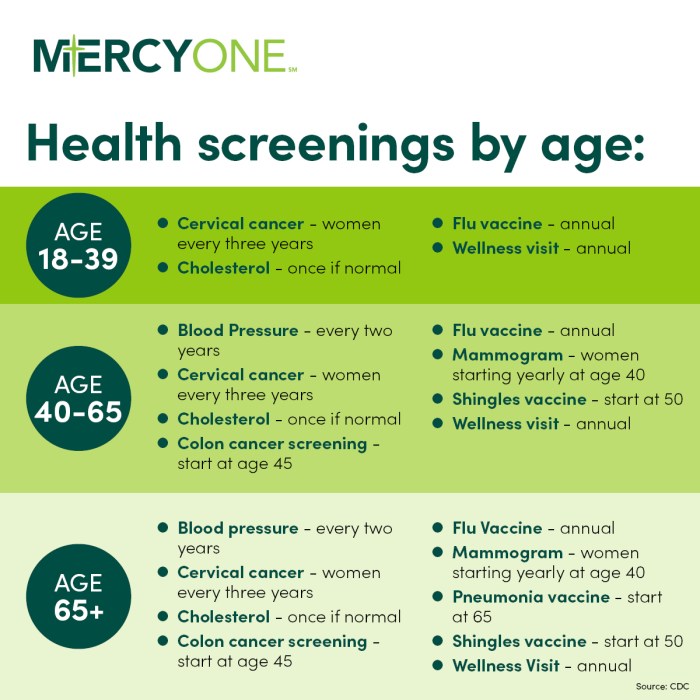
A personalized health plan that incorporates regular screenings can be tailored to your individual risk factors, family history, and lifestyle. Here’s a sample plan outlining key screenings throughout the lifespan:
- Childhood (0-18 years):
- Newborn Screening:Essential for detecting genetic disorders and metabolic conditions.
- Vision and Hearing Tests:Regular checkups are crucial for identifying potential issues.
- Immunizations:Vaccines protect against infectious diseases and are vital for overall health.
- Dental Checkups:Regular dental visits help prevent cavities and gum disease.
- Adolescence (19-25 years):
- Pap Smear:For women, starting at age 21, to screen for cervical cancer.
- Chlamydia and Gonorrhea Testing:Sexually active individuals should be screened regularly.
- Blood Pressure and Cholesterol Check:Baseline measurements for cardiovascular health.
- Mental Health Assessment:Screenings for anxiety and depression are becoming increasingly important.
- Adulthood (26-64 years):
- Annual Physical Exams:Includes blood pressure, cholesterol, and weight checks.
- Colorectal Cancer Screening:Starting at age 45, with recommendations varying based on risk factors.
- Mammograms:For women, starting at age 40 or earlier if recommended by a physician.
- Prostate Cancer Screening:For men, starting at age 50 or earlier based on risk factors.
- Diabetes Screening:Recommended for individuals with risk factors, such as family history or obesity.
- Senior Years (65+ years):
- More Frequent Screenings:Increased frequency of screenings for conditions common in older adults, such as osteoporosis, heart disease, and dementia.
- Geriatric Assessment:Comprehensive evaluation of physical, cognitive, and social health.
Combining Screenings with Healthy Lifestyle Choices
While screenings are crucial, they are most effective when combined with a holistic approach to health. A healthy lifestyle that emphasizes preventive measures can significantly reduce your risk of developing chronic diseases.
“Screenings are a valuable tool, but they are not a substitute for a healthy lifestyle.”
American Medical Association
- Diet and Exercise:A balanced diet and regular physical activity are essential for maintaining a healthy weight, reducing the risk of heart disease, diabetes, and certain cancers.
- Stress Management:Chronic stress can negatively impact your immune system and increase your risk of developing health problems. Practicing relaxation techniques like yoga, meditation, or deep breathing can help manage stress levels.
- Adequate Sleep:Getting enough sleep is crucial for physical and mental health. Aim for 7-9 hours of quality sleep per night.
- Avoiding Smoking and Excessive Alcohol Consumption:These habits significantly increase your risk of various diseases, including lung cancer, heart disease, and liver disease.
Stress Management and its Impact on Health: How To Use Early Health Screenings For Effective Disease Prevention
Stress is a common part of life, but chronic stress can have a significant impact on your health. It can weaken your immune system, increase your risk of chronic diseases, and contribute to mental health issues.
The Connection Between Stress and Disease Development
Chronic stress can lead to a cascade of physiological changes that increase your susceptibility to illness. When you experience stress, your body releases hormones like cortisol and adrenaline, which prepare you for a “fight or flight” response. While this response is helpful in short bursts, prolonged exposure to these hormones can have detrimental effects.
- Weakened Immune System:Chronic stress can suppress the immune system, making you more vulnerable to infections and illnesses. Studies have shown that prolonged stress can reduce the number of white blood cells, which are crucial for fighting off infections.
- Increased Risk of Chronic Diseases:Stress hormones can contribute to the development of chronic diseases such as heart disease, stroke, diabetes, and obesity. Stress can lead to unhealthy habits like overeating, smoking, and lack of exercise, which further increase the risk of these conditions.
- Mental Health Issues:Chronic stress can lead to anxiety, depression, and other mental health problems. It can also exacerbate existing mental health conditions.
Effective Stress Management Strategies
Managing stress effectively is essential for maintaining good health and well-being. Here are some practical strategies that can help:
Relaxation Techniques
Relaxation techniques can help to calm your body and mind, reducing the effects of stress. Some effective techniques include:
- Deep Breathing:Deep, slow breaths can help to lower your heart rate and blood pressure, promoting relaxation.
- Progressive Muscle Relaxation:This technique involves tensing and relaxing different muscle groups in your body, helping to release tension.
- Meditation:Meditation involves focusing your attention on the present moment, quieting your mind, and reducing stress.
Mindfulness
Mindfulness is a practice that involves paying attention to the present moment without judgment. It can help you to become more aware of your thoughts, feelings, and bodily sensations, allowing you to better manage stress.
Exercise
Regular exercise is a powerful stress reliever. It releases endorphins, which have mood-boosting effects, and can help to reduce anxiety and depression. Aim for at least 30 minutes of moderate-intensity exercise most days of the week.
Examples of Stress Management Enhancing Overall Health
There is growing evidence that stress management techniques can improve overall health and reduce the risk of chronic illnesses. For example:
- Reduced Blood Pressure:Studies have shown that relaxation techniques like deep breathing and meditation can lower blood pressure in people with hypertension.
- Improved Sleep Quality:Stress can interfere with sleep, but relaxation techniques and mindfulness practices can help to improve sleep quality and reduce insomnia.
- Enhanced Immune Function:Some research suggests that mindfulness-based stress reduction programs can boost immune function, making you less susceptible to infections.
The Importance of a Balanced Diet
A balanced diet plays a crucial role in disease prevention and maintaining overall health. It provides the essential nutrients your body needs to function properly and resist illness. By consuming a variety of nutrient-rich foods, you can strengthen your immune system, reduce your risk of chronic diseases, and promote optimal well-being.
Nutrients and Their Role in Disease Prevention
A balanced diet includes a variety of nutrients that contribute to disease prevention. Here’s a table outlining the key nutrients and their roles:
| Nutrient | Role in Disease Prevention |
|---|---|
| Fruits and Vegetables | Rich in vitamins, minerals, and antioxidants, which help protect against chronic diseases like heart disease, stroke, and some cancers. |
| Whole Grains | Provide fiber, which aids digestion, helps regulate blood sugar levels, and lowers cholesterol, reducing the risk of heart disease and type 2 diabetes. |
| Lean Protein | Essential for building and repairing tissues, maintaining muscle mass, and supporting a healthy immune system. |
| Healthy Fats | Provide energy, support hormone production, and contribute to cell function. Choose unsaturated fats from sources like olive oil, avocados, and nuts. |
| Calcium | Crucial for strong bones and teeth, and plays a role in muscle function and nerve transmission. |
| Vitamin D | Helps the body absorb calcium, supports bone health, and has been linked to reduced risk of certain cancers. |
| Iron | Essential for red blood cell production, which carries oxygen throughout the body. |
Healthy Eating Habits for Disease Prevention
Here are some examples of healthy eating habits that can contribute to disease prevention:* Choose whole, unprocessed foods over processed foods:Focus on fruits, vegetables, whole grains, lean protein sources, and healthy fats.
Limit added sugars, saturated fats, and sodium
These contribute to weight gain, heart disease, and other health problems.
Hydrate regularly
Drink plenty of water throughout the day.
Cook more meals at home
This gives you more control over ingredients and portion sizes.
Read food labels
Pay attention to serving sizes, calories, and nutrient content.
Limit alcohol consumption
Excessive alcohol intake increases the risk of several diseases.
Practice mindful eating
Pay attention to your hunger cues and eat slowly, savoring each bite.
The Benefits of Regular Exercise
Regular exercise is a cornerstone of a healthy lifestyle, playing a crucial role in disease prevention and overall well-being. By incorporating physical activity into your routine, you can significantly enhance your physical and mental health, reducing the risk of chronic conditions and improving your quality of life.
Types of Exercise and Their Health Benefits
Different types of exercise offer distinct benefits, and a balanced approach incorporating various forms is essential for optimal health.
- Cardiovascular Exercise: Activities that elevate your heart rate and breathing, such as running, swimming, cycling, and dancing, are essential for improving cardiovascular health. They strengthen your heart and lungs, lower blood pressure, and improve cholesterol levels, reducing the risk of heart disease, stroke, and other cardiovascular conditions.
- Strength Training: Resistance exercises, including weightlifting, bodyweight exercises, and resistance bands, build muscle mass and strength, enhancing bone density, improving metabolism, and boosting overall physical function. Regular strength training can help prevent age-related muscle loss, reduce the risk of osteoporosis, and improve balance and coordination.
- Flexibility Exercises: Activities like yoga, Pilates, and stretching improve flexibility, range of motion, and balance, reducing the risk of injuries and improving posture. Flexibility exercises can also help relieve muscle tension and stress, promoting relaxation and overall well-being.
The Power of Sleep Hygiene
Sleep is a fundamental pillar of good health, and its importance in disease prevention cannot be overstated. Adequate sleep allows our bodies to repair and rejuvenate, strengthening our immune system and bolstering our ability to fight off illness. A consistent sleep schedule, combined with a relaxing bedtime routine and a sleep-conducive environment, lays the foundation for a healthy sleep cycle and, in turn, overall well-being.
Creating a Regular Sleep Schedule, How to use early health screenings for effective disease prevention
Maintaining a consistent sleep schedule, even on weekends, helps regulate your body’s natural sleep-wake cycle, known as the circadian rhythm. This internal clock plays a crucial role in determining when you feel sleepy and when you wake up naturally.
By going to bed and waking up at approximately the same time each day, you signal to your body that it’s time to sleep and wake up, making it easier to fall asleep and wake up feeling refreshed.
Establishing a Relaxing Bedtime Routine
Creating a relaxing bedtime routine can help prepare your body and mind for sleep. This routine can include activities like taking a warm bath, reading a book, or listening to calming music. It’s important to avoid screen time for at least an hour before bed, as the blue light emitted from electronic devices can interfere with melatonin production, a hormone that regulates sleep.
Optimizing Sleep Environment
Your sleep environment plays a significant role in the quality of your sleep. A dark, quiet, and cool room is ideal for sleep. Consider using blackout curtains or an eye mask to block out light, earplugs to minimize noise, and a comfortable mattress and pillows.
The ideal room temperature for sleep is typically between 60 and 67 degrees Fahrenheit.
The Benefits of Improved Sleep
Improving your sleep quality can have a profound impact on your overall health and well-being. Adequate sleep boosts your immune system, making you less susceptible to illness. It also improves your mood, concentration, and memory, enhancing your cognitive function.
Furthermore, good sleep can help regulate your appetite, reducing the risk of weight gain and associated health problems.
Staying Hydrated for Optimal Health
Staying adequately hydrated is crucial for maintaining overall health and preventing various diseases. Water plays a vital role in numerous bodily functions, from regulating temperature and transporting nutrients to lubricating joints and flushing out waste products.
Importance of Hydration
Water makes up about 55% to 78% of our body weight, and it’s essential for numerous bodily functions. When we’re adequately hydrated, our bodies can function optimally, but dehydration can lead to various health problems.
Tips for Staying Hydrated
- Drink water regularly throughout the day.Aim to drink at least eight glasses of water per day, or more if you’re physically active or live in a hot climate.
- Carry a reusable water bottle with youand refill it frequently.
- Choose hydrating foods.Fruits and vegetables, such as watermelon, cucumbers, and spinach, are rich in water and electrolytes, which help replenish fluids.
- Limit sugary drinks.Sugary drinks, such as soda and juice, can actually dehydrate you.
- Drink water before, during, and after exercise.Physical activity increases your body’s need for water, so it’s important to stay hydrated before, during, and after workouts.
Effects of Dehydration
Dehydration can affect various bodily functions, including:
- Decreased cognitive function.Dehydration can lead to fatigue, headaches, and difficulty concentrating.
- Increased risk of kidney stones.Dehydration can make it more difficult for your kidneys to flush out waste products, increasing the risk of kidney stones.
- Constipation.Dehydration can harden stools, making it difficult to pass bowel movements.
- Heat exhaustion and heat stroke.Dehydration can lead to heat exhaustion and heat stroke, especially in hot weather.
The Role of Medical Innovations in Disease Prevention
The field of medicine is constantly evolving, with groundbreaking advancements in technology and diagnostic techniques revolutionizing how we approach healthcare. These innovations are not only transforming the way we treat diseases but also empowering us to prevent them in the first place.
Early disease detection and prevention are key to improving health outcomes, and medical innovations are playing a crucial role in this regard.
The Impact of Medical Innovations on Early Disease Detection
Advancements in medical technology are making it possible to detect diseases at earlier stages, when they are more treatable and less likely to cause serious complications. This early detection is paramount for effective disease prevention.
- Improved Imaging Technologies:High-resolution imaging techniques, such as magnetic resonance imaging (MRI) and computed tomography (CT) scans, provide detailed images of the body’s internal structures, allowing doctors to identify abnormalities and potential disease development early on. These advancements are particularly valuable in detecting cancers, cardiovascular diseases, and neurological disorders.
- Liquid Biopsies:This non-invasive technique involves analyzing blood or other bodily fluids for biomarkers, which are indicators of disease. Liquid biopsies can detect cancer cells or genetic mutations in early stages, allowing for prompt treatment and potentially preventing the disease from progressing.
- Artificial Intelligence (AI):AI-powered tools are being integrated into medical diagnostics, enabling faster and more accurate analysis of medical data. These tools can help identify patterns and anomalies in medical images, patient records, and genetic data, potentially leading to earlier diagnoses and more effective treatment plans.
The Role of Medical Innovations in Disease Prevention
Medical innovations are not only changing how we detect diseases but also enabling us to prevent them more effectively.
- Personalized Medicine:Advances in genomics and genetic testing allow for personalized medicine, tailoring treatment and prevention strategies based on an individual’s genetic makeup. This approach can help identify individuals at higher risk for certain diseases and develop customized preventive measures.
- Targeted Therapies:Innovative drug development focuses on targeted therapies that specifically target the mechanisms underlying a disease, minimizing side effects and improving treatment effectiveness. These therapies can prevent the progression of diseases and potentially delay or prevent the onset of new ones.
- Preventive Vaccines:Vaccines have been instrumental in preventing infectious diseases like polio, measles, and rubella. Continued research and development of new vaccines are expanding our ability to protect against a wider range of diseases, including some types of cancer.
The Potential of Nutritional Supplements
Nutritional supplements can play a crucial role in supporting overall health and disease prevention. They can help bridge the gap between dietary intake and the body’s nutritional needs, potentially reducing the risk of chronic diseases. However, it’s essential to understand their benefits, limitations, and potential risks before incorporating them into your health plan.
Understanding Nutritional Supplements
Nutritional supplements are products designed to supplement the diet with specific nutrients, such as vitamins, minerals, herbs, or amino acids. They come in various forms, including capsules, tablets, powders, and liquids. While supplements can be beneficial for certain individuals, they are not a substitute for a balanced diet and healthy lifestyle.
Benefits of Nutritional Supplements
- Addressing Nutritional Deficiencies:Supplements can help address specific nutrient deficiencies that may arise from dietary restrictions, malabsorption issues, or increased nutrient requirements during pregnancy or breastfeeding. For example, iron supplements are often prescribed to address iron deficiency anemia.
- Supporting Overall Health:Certain supplements, such as vitamin D and omega-3 fatty acids, have been linked to improved bone health, reduced inflammation, and a lower risk of heart disease.
- Promoting Disease Prevention:Some studies suggest that certain supplements, such as vitamin C and selenium, may play a role in reducing the risk of certain cancers.
Limitations of Nutritional Supplements
- Limited Evidence:While some supplements have demonstrated benefits, research on the effectiveness of many supplements is still ongoing.
- Potential Interactions:Supplements can interact with medications or other supplements, potentially leading to adverse effects.
- Safety Concerns:Some supplements may contain contaminants or be manufactured under poor quality control, posing potential risks to health.
- Overdose Risks:Taking excessive amounts of certain supplements can lead to toxicity and health problems.
Choosing Safe and Effective Supplements
- Consult with a Healthcare Professional:Before taking any supplements, it’s crucial to consult with your doctor or a registered dietitian. They can assess your individual needs and recommend appropriate supplements.
- Choose Reputable Brands:Look for supplements from reputable manufacturers that follow good manufacturing practices (GMP).
- Read Labels Carefully:Pay attention to the ingredients, dosage, and potential side effects listed on the label.
- Avoid Supplements with Unproven Claims:Be wary of supplements that make exaggerated or unsubstantiated claims about their benefits.
The Importance of Mental Clarity and Resilience
Mental clarity and resilience are not just desirable qualities; they are crucial components of a robust health strategy. A strong mind fosters a healthy body, and vice versa. By nurturing mental well-being, we can significantly enhance our ability to prevent and manage diseases.
The Link Between Mental Health and Disease Prevention
A growing body of scientific evidence underscores the deep connection between mental health and physical health. Chronic stress, anxiety, and depression can have a profound impact on our immune system, making us more susceptible to various illnesses. Conversely, a positive mental state can strengthen our immune defenses, helping us fight off infections and chronic diseases.
Strategies for Maintaining Mental Clarity and Resilience
Stress Management Techniques
Managing stress effectively is essential for maintaining mental clarity and resilience. Stress can overwhelm our cognitive abilities, leading to poor decision-making, impaired memory, and increased susceptibility to illness.
- Mindfulness Meditation:This practice involves focusing on the present moment without judgment, helping to calm the mind and reduce stress. Studies have shown that mindfulness meditation can reduce stress levels, improve mood, and enhance cognitive function.
- Deep Breathing Exercises:Simple breathing exercises can quickly reduce stress and promote relaxation. Techniques like diaphragmatic breathing can help regulate heart rate, lower blood pressure, and calm the nervous system.
- Regular Exercise:Physical activity releases endorphins, which have mood-boosting effects and reduce stress hormones. Regular exercise also improves sleep quality, which is essential for mental well-being.
Mindfulness Practices
Mindfulness practices, such as meditation and yoga, can cultivate a greater sense of awareness and acceptance, leading to improved emotional regulation and resilience. By focusing on the present moment, we can reduce rumination on past events or anxieties about the future, promoting a sense of calm and clarity.
Seeking Professional Support
It’s important to recognize that maintaining mental health is an ongoing process. When faced with significant challenges or mental health concerns, seeking professional support from a therapist or counselor can be invaluable. Therapists provide a safe and confidential space to explore thoughts and feelings, develop coping strategies, and build resilience.
The Role of Emotional Well-being in Overall Health
Emotional well-being is a fundamental pillar of overall health. When we experience positive emotions like joy, gratitude, and love, our bodies release hormones that promote healing and strengthen our immune system. Conversely, negative emotions like anger, sadness, and fear can suppress our immune function and increase our risk of illness.
The Link Between Physical Activity and Cardiovascular Health
A healthy heart is crucial for overall well-being, and regular physical activity plays a vital role in maintaining cardiovascular health. Engaging in cardiovascular exercise can significantly reduce the risk of heart disease, stroke, and other cardiovascular conditions, leading to a longer and healthier life.
Benefits of Physical Activity for Cardiovascular Health
Regular physical activity provides numerous benefits for your heart and blood vessels.
- Improved Heart Function:Exercise strengthens the heart muscle, allowing it to pump blood more efficiently. This leads to a lower resting heart rate and improved blood flow throughout the body.
- Lower Blood Pressure:Physical activity helps lower both systolic and diastolic blood pressure, reducing the strain on your heart and blood vessels.
- Reduced Cholesterol Levels:Exercise can increase the levels of good cholesterol (HDL) while lowering the levels of bad cholesterol (LDL), contributing to healthier blood vessels.
- Improved Blood Sugar Control:Regular physical activity helps your body use insulin more effectively, improving blood sugar control and reducing the risk of type 2 diabetes.
- Weight Management:Exercise burns calories and helps you maintain a healthy weight, reducing the risk of obesity, which is a major risk factor for cardiovascular disease.
- Reduced Stress Levels:Physical activity releases endorphins, which have mood-boosting effects and can help reduce stress levels. Stress is a major contributor to cardiovascular disease.
Recommendations for Cardiovascular Exercise
To reap the benefits of physical activity for your cardiovascular health, it’s essential to incorporate cardiovascular exercise into your routine.
- Aim for at least 150 minutes of moderate-intensity aerobic activity or 75 minutes of vigorous-intensity aerobic activity per week.Moderate-intensity activities include brisk walking, swimming, cycling, and dancing. Vigorous-intensity activities include running, jogging, and jumping rope.
- Spread out your workouts throughout the week.Aim for at least 30 minutes of moderate-intensity exercise most days of the week.
- Listen to your body.If you’re new to exercise, start slowly and gradually increase the intensity and duration of your workouts.
- Find activities you enjoy.This will make it more likely that you’ll stick with your exercise program.
- Make exercise a part of your daily routine.Take the stairs instead of the elevator, walk or bike to work or errands, and find ways to incorporate movement into your daily life.
Last Word
By understanding the benefits, types, and process of early health screenings, you can empower yourself to take control of your health and build a future filled with vitality and well-being. Embrace the power of prevention, and let early screenings be your guide on a journey toward a healthier tomorrow.
FAQ
What are the most common types of health screenings?
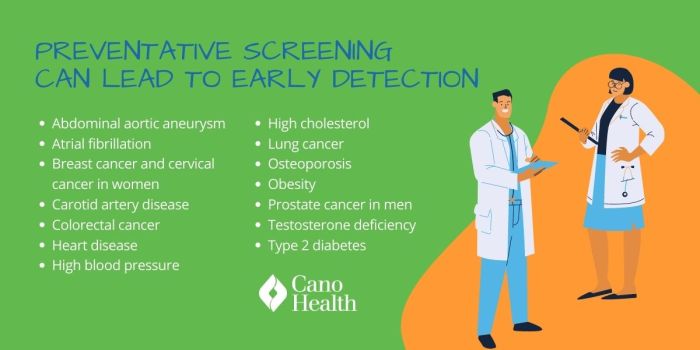
Common screenings include blood pressure checks, cholesterol tests, mammograms, colonoscopies, and Pap smears. The specific screenings recommended for you will depend on your age, gender, and family history.
How often should I get health screenings?
Screening frequency varies based on individual risk factors and age. Consult your healthcare provider for personalized recommendations.
What if my screening results are abnormal?
Don’t panic! Abnormal results often require further investigation, but they don’t necessarily mean you have a disease. Your healthcare provider will guide you through the next steps.


More Stories
Exercise routines for immune support: Boosting your health through physical activity
Active lifestyle community groups near me: Engaging with Health and Wellness
Healthy aging and stress management techniques: A Guide to Well-being in Later Years