Healthy Habits
Maintaining healthy habits is crucial for improving cardiovascular health. By incorporating simple daily practices, you can significantly reduce the risk of heart disease and other related conditions.
List of Daily Habits to Improve Cardiovascular Health:
- Aim for at least 30 minutes of moderate-intensity exercise each day, such as brisk walking, cycling, or swimming.
- Include strength training exercises at least 2-3 times per week to improve overall fitness and heart health.
- Practice stress-reducing activities like yoga, meditation, or deep breathing exercises to lower blood pressure and promote relaxation.
- Avoid smoking and limit alcohol consumption to protect your heart and blood vessels.
- Get an adequate amount of quality sleep each night to allow your body to rest and recover properly.
Importance of Regular Exercise:
Regular exercise plays a crucial role in maintaining a healthy heart. It helps improve cardiovascular fitness, lower blood pressure, and reduce the risk of heart disease. By staying active, you can enhance circulation, strengthen your heart muscle, and improve overall well-being.
Role of a Balanced Diet:
A balanced diet is essential for improving heart health. Consuming a variety of fruits, vegetables, whole grains, lean proteins, and healthy fats can help lower cholesterol levels, control blood sugar, and maintain a healthy weight. Limiting processed foods, saturated fats, and added sugars can further support cardiovascular health.
Emotional Wellbeing
Emotional wellbeing plays a crucial role in cardiovascular health. The connection between our emotions and heart health is significant, as stress and negative emotions can have adverse effects on the heart. On the other hand, managing stress effectively and cultivating positive emotions can support overall cardiovascular wellness.
Strategies for Managing Stress
- Avoiding or minimizing triggers of stress in your daily life.
- Practicing relaxation techniques such as deep breathing, meditation, or yoga.
- Engaging in regular physical activity to release endorphins and reduce stress.
- Maintaining a healthy work-life balance to prevent burnout and chronic stress.
- Seeking support from friends, family, or a mental health professional when needed.
Impact of Positive Emotions
Positive emotions like joy, gratitude, and contentment can have a profound impact on cardiovascular health. They can help lower blood pressure, reduce inflammation, and improve overall heart function. Cultivating positive emotions through activities like spending time with loved ones, practicing mindfulness, or engaging in hobbies can contribute to a healthier heart.
Healthy Aging
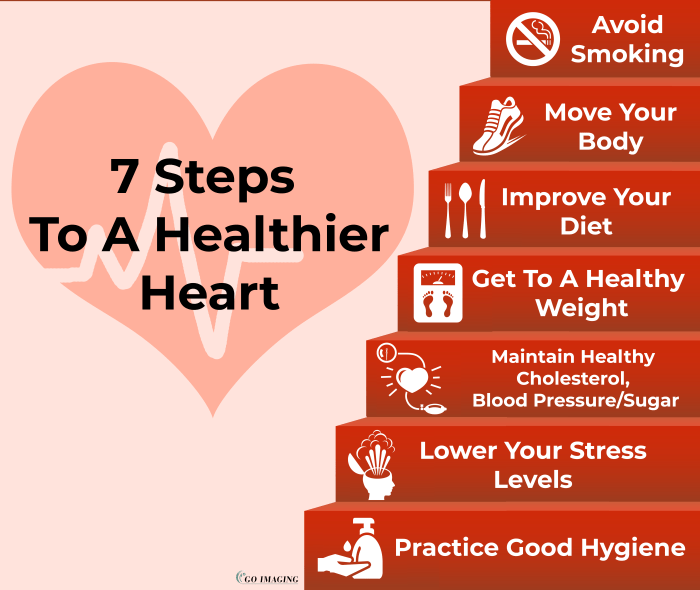
As individuals age, lifestyle choices play a crucial role in determining the health of their cardiovascular system. Factors such as diet, exercise, and stress management can significantly impact heart health in older adults. It is essential for seniors to be proactive in maintaining a healthy lifestyle to prevent cardiovascular issues.
Importance of Regular Health Check-ups
Regular health check-ups are vital for older adults to monitor their cardiovascular health. These check-ups help in early detection of any potential issues and allow for timely intervention. Seniors should schedule regular visits with their healthcare provider to assess their heart health and receive guidance on maintaining a healthy lifestyle.
Tips for Seniors to Stay Active and Maintain a Healthy Heart
- Engage in regular physical activity such as walking, swimming, or yoga to strengthen the heart and improve overall cardiovascular health.
- Follow a heart-healthy diet rich in fruits, vegetables, whole grains, and lean proteins to support heart function and reduce the risk of heart disease.
- Manage stress through relaxation techniques like deep breathing, meditation, or hobbies to lower blood pressure and promote heart health.
- Avoid smoking and limit alcohol consumption to protect the heart and reduce the risk of cardiovascular diseases.
- Stay connected with friends and family for emotional support, which can positively impact heart health and overall well-being.
Active Lifestyle
Regular physical activity plays a crucial role in improving cardiovascular health. It helps strengthen the heart muscle, lower blood pressure, improve circulation, and reduce the risk of heart disease.
Benefits of Physical Activity on Cardiovascular Health
- Increased cardiovascular fitness
- Lowered blood pressure
- Improved circulation
- Reduced risk of heart disease
Examples of Cardio Exercises at Home
- Jumping jacks
- High knees
- Burpees
- Mountain climbers
- Jump rope
Creating a Sustainable Workout Routine
To make your workout routine sustainable, start with small goals and gradually increase intensity and duration. Incorporate a variety of cardio exercises to keep it interesting and challenging. Listen to your body and rest when needed to prevent injuries. Consistency is key to improving heart health, so aim for at least 150 minutes of moderate-intensity exercise per week.
Cardiovascular Health
Cardiovascular health is crucial for overall well-being, as heart disease remains a leading cause of death worldwide. Understanding the common risk factors, monitoring key health indicators, and seeking early intervention are essential steps in maintaining a healthy heart.
Common Risk Factors for Heart Disease and Mitigation, Tips for improving cardiovascular health at home
- High blood pressure, smoking, diabetes, obesity, and high cholesterol are common risk factors for heart disease.
- Adopting a balanced diet, engaging in regular physical activity, avoiding smoking, and managing stress can help mitigate these risks.
- Regular medical check-ups and consultations with healthcare providers are crucial for early detection and prevention.
Monitoring Blood Pressure and Cholesterol Levels
- Regular monitoring of blood pressure and cholesterol levels is vital in assessing cardiovascular health.
- High blood pressure (hypertension) and elevated cholesterol levels can increase the risk of heart disease and stroke.
- Maintaining healthy levels through lifestyle modifications and, if necessary, medication, can significantly reduce cardiovascular risk.
Significance of Early Detection and Treatment of Cardiovascular Issues
- Early detection of cardiovascular issues allows for timely intervention and management, reducing the risk of complications.
- Seeking medical attention at the first signs of symptoms such as chest pain, shortness of breath, or palpitations is crucial.
- Treatment options may include medications, lifestyle changes, or procedures to address underlying heart conditions.
Healthy Recipes
When it comes to promoting cardiovascular wellness, incorporating heart-healthy recipes into your diet is crucial. These recipes not only taste delicious but also provide essential nutrients that support a healthy heart.
Discussing the impact of nutrition on heart health, it’s important to focus on incorporating foods rich in antioxidants, fiber, and omega-3 fatty acids. These nutrients can help reduce inflammation, lower cholesterol levels, and improve overall heart function.
Heart-Healthy Meal Planning Tips
- Include a variety of colorful fruits and vegetables in your meals to ensure a wide range of vitamins and minerals.
- Choose whole grains such as quinoa, brown rice, and oats over refined grains to increase fiber intake.
- Incorporate lean proteins like skinless poultry, fish, beans, and legumes to reduce saturated fat consumption.
- Opt for healthy fats like olive oil, avocado, and nuts to support heart health.
- Limit processed foods, sugary beverages, and excessive salt intake to lower the risk of heart disease.
Mental Resilience
Mental resilience plays a crucial role in maintaining cardiovascular health. The ability to bounce back from stress, setbacks, and challenges can have a positive impact on the heart and overall well-being.
Building Mental Resilience
- Practice mindfulness and meditation to manage stress levels and enhance emotional regulation.
- Engage in regular physical exercise to boost endorphins and improve mood.
- Cultivate a strong support system of friends and family to provide emotional support during difficult times.
- Set realistic goals and celebrate small victories to build confidence and resilience.
- Learn to adapt to change and embrace challenges as opportunities for growth and learning.
Connection Between Mindset and Heart Health
Maintaining a positive mindset and developing mental resilience can significantly impact heart health. Studies have shown that individuals with a more optimistic outlook tend to have lower rates of heart disease and better cardiovascular outcomes. By managing stress, staying positive, and building resilience, one can reduce the risk of heart-related issues and improve overall cardiovascular health.
Immune Support
Maintaining a strong immune system is crucial for overall health, including cardiovascular health. A robust immune system can help protect the heart from infections and inflammation, reducing the risk of heart disease.
Tips for Boosting Immunity to Support Heart Health
- Aim for a balanced diet rich in fruits, vegetables, whole grains, lean proteins, and healthy fats. These nutrients provide essential vitamins and minerals that support immune function and heart health.
- Stay hydrated by drinking an adequate amount of water daily. Hydration is key to supporting immune responses and maintaining cardiovascular function.
- Engage in regular physical activity to boost immune function and improve heart health. Exercise can help reduce inflammation and support the production of immune cells.
- Get enough quality sleep each night to allow your body to rest and repair. Lack of sleep can weaken the immune system and increase the risk of heart-related issues.
- Manage stress through relaxation techniques like deep breathing, meditation, or yoga. Chronic stress can suppress immune function and impact heart health negatively.
Lifestyle Factors Impacting Immune Function and Heart Health
- Smoking and excessive alcohol consumption can weaken the immune system and increase the risk of heart disease. Quitting smoking and moderating alcohol intake can improve overall health.
- Poor dietary choices high in processed foods, sugar, and unhealthy fats can impair immune function and contribute to heart problems. Opt for nutrient-dense foods to support immunity and heart health.
- Lack of physical activity and sedentary behavior can weaken the immune system and lead to cardiovascular issues. Incorporating regular exercise into your routine can boost immunity and promote heart health.
- Chronic stress and inadequate stress management can elevate inflammation levels, weaken immunity, and impact heart health. Prioritize stress-reducing activities to protect your immune system and heart.
Stress Relief
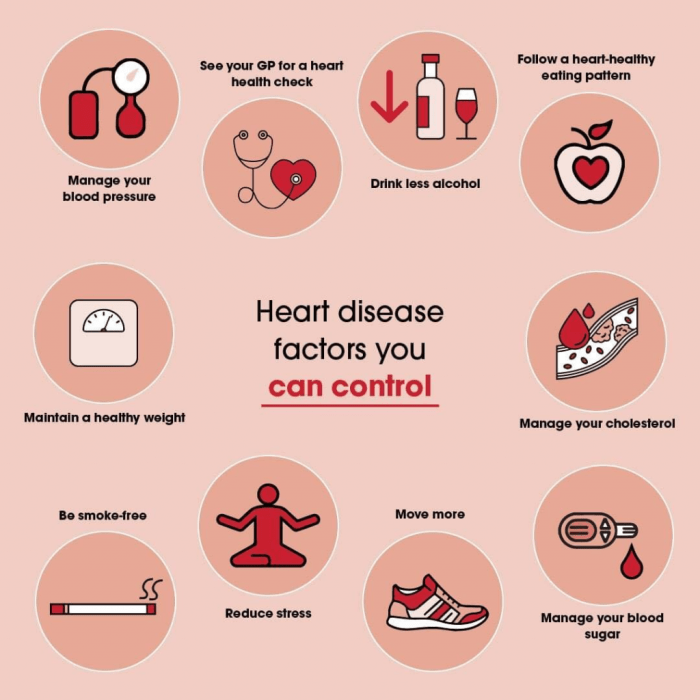
Managing stress is crucial for maintaining a healthy cardiovascular system. Chronic stress has been linked to an increased risk of heart disease, making it essential to incorporate stress-relief techniques into your daily routine. Mindfulness practices can significantly benefit heart health by reducing stress levels and promoting overall well-being.
Effective Stress-Relief Techniques
- Deep breathing exercises: Practice deep breathing techniques to calm the mind and body, promoting relaxation and reducing stress.
- Physical activity: Engage in regular exercise to release endorphins, the body’s natural stress relievers, and improve cardiovascular health.
- Meditation: Dedicate time each day to meditation to quiet the mind, reduce stress, and enhance emotional well-being.
- Yoga: Incorporate yoga into your routine to combine physical movement with mindfulness, promoting relaxation and stress reduction.
Link Between Chronic Stress and Heart Disease
Chronic stress can have detrimental effects on the cardiovascular system, leading to high blood pressure, inflammation, and an increased risk of heart disease. By managing stress effectively through various techniques, you can lower your risk of heart-related issues and improve overall heart health.
Mindfulness Practices for Heart Health
- Body scan meditation: Practice body scan meditation to bring awareness to different parts of your body, releasing tension and promoting relaxation.
- Gratitude journaling: Keep a gratitude journal to focus on the positive aspects of life, reducing stress and fostering a sense of well-being.
- Visualization: Use visualization techniques to imagine peaceful and calming scenes, helping to alleviate stress and promote a sense of calm.
Nutritional Balance: Tips For Improving Cardiovascular Health At Home
Maintaining a balanced diet is crucial for overall health, especially when it comes to cardiovascular health. A well-rounded diet provides essential nutrients that support heart function and reduce the risk of heart disease.
Incorporating Fruits and Vegetables
Eating a variety of fruits and vegetables is key to achieving a balanced diet that promotes cardiovascular health. Here are some tips to help you incorporate more of these nutritious foods into your daily meals:
- Include fruits or vegetables in every meal and snack.
- Experiment with different cooking methods, such as roasting, steaming, or grilling, to enhance flavors.
- Keep a bowl of fresh fruits on the counter for easy snacking.
- Add vegetables to dishes like soups, stews, and stir-fries for extra nutrients.
- Try new fruits and vegetables regularly to diversify your nutrient intake.
Impact of Unhealthy Eating Habits
Unhealthy eating habits, such as consuming excessive amounts of processed foods, sugary snacks, and high-fat meals, can have a negative impact on heart health. These habits can lead to weight gain, high cholesterol levels, and high blood pressure, increasing the risk of cardiovascular diseases like heart attacks and strokes. It is essential to be mindful of your food choices and opt for nutrient-dense foods to support your heart health.
Essential Questionnaire
Tips for improving cardiovascular health at home – How often should I exercise to improve my cardiovascular health at home?
It is recommended to engage in at least 150 minutes of moderate-intensity exercise per week, spread out over several days.
What are some heart-healthy recipes that I can try at home?
You can explore recipes that include lean proteins, whole grains, fruits, and vegetables to support your heart health.
How can I effectively manage stress to benefit my heart health?
Practicing mindfulness, deep breathing exercises, and engaging in activities you enjoy can help reduce stress levels and support heart health.


More Stories
Nutritional balance for diabetics: Maintaining Health Through Diet and Lifestyle
Nutritional balance in a Mediterranean diet: Finding Harmony Through Food
Importance of sleep for immune support: Enhancing your health through quality rest