Healthy Habits
Maintaining a healthy heart involves incorporating daily habits that promote cardiovascular health. These habits include regular exercise, nutritious eating, and other lifestyle choices that support overall well-being.
Daily Exercise
Regular physical activity is essential for optimal cardiovascular health. Aim for at least 30 minutes of moderate exercise most days of the week. This can include activities like walking, jogging, swimming, or cycling. Exercise helps strengthen the heart muscle, improve circulation, and lower blood pressure.
Nutritious Diet
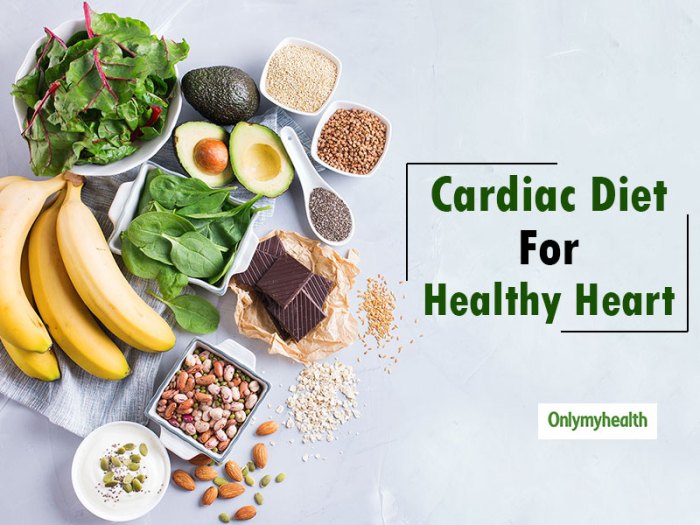
Eating a balanced and nutritious diet is crucial for heart health. Focus on incorporating plenty of fruits, vegetables, whole grains, lean proteins, and healthy fats into your meals. Limit intake of processed foods, sugary beverages, and foods high in saturated and trans fats. Opt for heart-healthy options like salmon, nuts, olive oil, and avocado.
Hydration
Staying hydrated is important for cardiovascular health. Aim to drink plenty of water throughout the day to maintain proper blood circulation and support overall wellness. Limit intake of sugary drinks and opt for water, herbal teas, or infused water for hydration.
Emotional Wellbeing
Emotional wellbeing plays a crucial role in maintaining optimal cardiovascular health. The link between emotional health and heart health is undeniable, as stress, anxiety, and negative emotions can have a significant impact on the heart’s functioning and overall wellbeing.
Stress is one of the primary factors that can negatively affect cardiovascular health. Chronic stress can lead to high blood pressure, inflammation, and an increased risk of heart disease. Therefore, managing stress is essential for improving heart health and reducing the risk of cardiovascular issues.
Strategies for Managing Stress
- Acknowledge and accept your feelings: It’s important to recognize your emotions and address them rather than ignoring or suppressing them.
- Practice relaxation techniques: Engage in activities like deep breathing, meditation, or yoga to help calm your mind and reduce stress levels.
- Stay physically active: Regular exercise can help reduce stress and improve overall emotional wellbeing.
- Connect with others: Building a support system of friends and family can provide emotional support and help alleviate stress.
Impact of Positive Emotions
Positive emotions, on the other hand, can have a beneficial impact on cardiovascular health. Studies have shown that positive emotions like happiness, gratitude, and optimism can lower blood pressure, reduce inflammation, and improve heart health overall.
By incorporating strategies to manage stress and cultivate positive emotions in your daily life, you can significantly improve your emotional wellbeing and, in turn, enhance your cardiovascular health.
Healthy Aging
As we age, taking care of our cardiovascular health becomes increasingly important. Diet plans play a crucial role in supporting healthy aging and maintaining a strong heart. By incorporating nutrient-dense foods like fruits, vegetables, whole grains, and lean proteins into our meals, we can provide our bodies with the essential vitamins and minerals needed to support heart health as we age. Additionally, reducing the intake of processed foods high in salt, sugar, and unhealthy fats can help prevent the development of cardiovascular issues in older adults.
Role of Exercise in Promoting Longevity and Cardiovascular Well-being
Regular physical activity is key to promoting longevity and maintaining cardiovascular health as we age. Exercise helps strengthen the heart muscle, improve circulation, and lower blood pressure, reducing the risk of heart disease and other cardiovascular conditions. Engaging in activities like walking, swimming, cycling, or strength training can help older adults stay active and maintain a healthy heart.
Importance of Regular Health Check-ups
As we age, scheduling regular health check-ups with healthcare providers becomes essential for monitoring and maintaining cardiovascular well-being. These check-ups can help detect any potential issues early on, allowing for timely interventions and treatments to prevent complications. Monitoring blood pressure, cholesterol levels, and other heart-related indicators can help older adults stay proactive about their heart health and make necessary lifestyle adjustments to support healthy aging.
Active Lifestyle
Regular physical activity plays a crucial role in maintaining optimal cardiovascular health. An active lifestyle can help improve heart function, reduce the risk of heart disease, lower blood pressure, and manage weight.
Benefits of an Active Lifestyle on Cardiovascular Health
- Improves heart function and circulation
- Reduces the risk of heart disease and stroke
- Lowers blood pressure and cholesterol levels
- Manages weight and reduces the risk of obesity
Physical Activities Beneficial for the Heart
- Cardiovascular exercises such as running, cycling, swimming, or brisk walking
- Strength training to build muscle and support heart health
- Yoga or Pilates for flexibility, balance, and stress reduction
- Dancing or aerobics for cardiovascular fitness and fun
Sedentary Behavior and Heart Health
Prolonged periods of sitting or inactivity can have negative effects on heart health. Sedentary behavior is associated with an increased risk of heart disease, obesity, diabetes, and high blood pressure. It is important to break up long periods of sitting with short walks, stretching, or other light physical activity throughout the day to promote heart health.
Cardiovascular Health
Maintaining optimal cardiovascular health is crucial for overall well-being. A healthy heart ensures proper blood circulation, which is essential for delivering oxygen and nutrients to the body’s cells and removing waste products efficiently.
Common Risk Factors for Heart Disease and Diet Plans, Diet plans for optimal cardiovascular health
- High blood pressure: A diet rich in fruits, vegetables, whole grains, and lean proteins can help lower blood pressure levels.
- High cholesterol: Consuming foods low in saturated fats and cholesterol, such as nuts, seeds, and oily fish, can help manage cholesterol levels.
- Obesity: Following a balanced diet and engaging in regular physical activity can aid in weight management and reduce the risk of heart disease.
- Diabetes: Monitoring carbohydrate intake and choosing complex carbs over simple sugars can help regulate blood sugar levels and prevent complications related to diabetes.
Importance of Cholesterol Levels in Heart Health
Maintaining healthy cholesterol levels is crucial for heart health as high levels of LDL (bad) cholesterol can lead to plaque buildup in the arteries, increasing the risk of heart disease. HDL (good) cholesterol, on the other hand, helps remove LDL cholesterol from the bloodstream, reducing the risk of cardiovascular issues. A diet rich in fiber, healthy fats, and antioxidants can help balance cholesterol levels and promote heart health.
Healthy Recipes
When it comes to maintaining cardiovascular health, incorporating heart-healthy recipes into your diet can make a significant difference. These recipes not only taste delicious but also provide essential nutrients that support heart health.
Examples of Heart-Healthy Ingredients
- Salmon: Rich in omega-3 fatty acids, salmon can help reduce inflammation and lower the risk of heart disease.
- Leafy Greens: Vegetables like spinach, kale, and Swiss chard are packed with vitamins, minerals, and antioxidants that support heart health.
- Whole Grains: Foods like quinoa, brown rice, and oats provide fiber, which can help lower cholesterol levels and improve heart health.
- Berries: Blueberries, strawberries, and raspberries are rich in antioxidants that help protect the heart from damage.
Impact of Cooking Methods on Nutritional Value
When preparing heart-healthy meals, the cooking method can affect the nutritional value of the ingredients. Opt for methods like steaming, baking, grilling, or sautéing with minimal oil to retain nutrients. Avoid deep-frying or using excessive amounts of salt, sugar, or unhealthy fats, as they can negate the benefits of heart-healthy ingredients.
Mental Resilience
Diet plans for optimal cardiovascular health – Mental resilience plays a crucial role in maintaining optimal cardiovascular health. The ability to bounce back from stress, setbacks, and challenges can have a positive impact on heart health.
Techniques for Building Mental Strength and Resilience
Building mental strength and resilience involves adopting various techniques that can help individuals cope with stress and adversity. Here are some effective strategies:
- Practice mindfulness and meditation to enhance self-awareness and reduce stress levels.
- Engage in regular physical activity to boost mood and improve overall mental well-being.
- Cultivate a strong support system by connecting with friends, family, or a therapist for emotional support.
- Develop a positive mindset by focusing on gratitude, optimism, and reframing negative thoughts.
- Set realistic goals and break them down into manageable steps to build confidence and resilience.
Correlation Between Mental Well-being and Heart Health
There is a strong correlation between mental well-being and heart health. Chronic stress, anxiety, and depression can contribute to the development of cardiovascular diseases such as hypertension, heart disease, and stroke. On the other hand, individuals with good mental health are more likely to adopt healthy lifestyle habits, manage stress effectively, and maintain a positive outlook on life, all of which can benefit their heart health in the long run.
Immune Support
A healthy diet plays a crucial role in boosting the immune system and supporting heart health. The connection between immune function and cardiovascular health is significant, as a strong immune system can help prevent infections and inflammation that can negatively impact the heart. By incorporating specific foods into your diet, you can enhance immune support for overall heart health.
Foods for Immune Support and Heart Health
- Dark leafy greens: Rich in antioxidants like vitamin C and beta-carotene, these greens can help reduce inflammation and support immune function.
- Berries: Packed with vitamins, minerals, and antioxidants, berries can help protect against oxidative stress and boost the immune system.
- Fatty fish: Omega-3 fatty acids found in fish like salmon and mackerel can help reduce inflammation and support heart health.
- Garlic: Known for its immune-boosting properties, garlic can also help lower cholesterol levels and support cardiovascular health.
- Nuts and seeds: Almonds, walnuts, chia seeds, and flaxseeds are rich in heart-healthy fats, fiber, and antioxidants that can enhance immune function.
Stress Relief
Stress can have a significant impact on cardiovascular health, so it is crucial to find effective strategies to reduce stress levels and promote overall well-being. Chronic stress can lead to high blood pressure, inflammation, and an increased risk of heart disease, making it essential to incorporate relaxation techniques into your daily routine.
Benefits of Stress Reduction Techniques
- Practicing mindfulness and meditation can help lower blood pressure and reduce the risk of heart disease.
- Engaging in physical activity, such as yoga or tai chi, can promote relaxation and improve cardiovascular health.
- Deep breathing exercises can help calm the nervous system and reduce stress hormones in the body.
- Connecting with nature through activities like hiking or gardening can have a soothing effect on the mind and body.
Nutritional Balance: Diet Plans For Optimal Cardiovascular Health
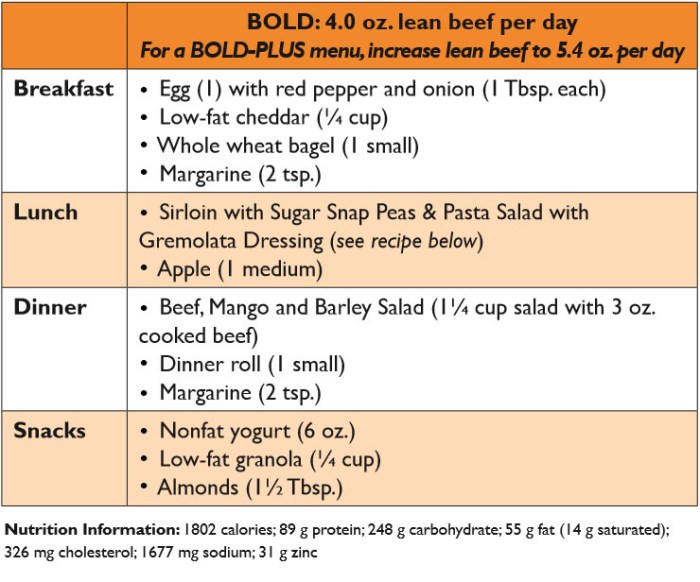
Maintaining a balanced diet is crucial for optimal cardiovascular health. A well-rounded nutritional intake helps support heart function, reduce the risk of heart disease, and improve overall well-being. Here’s how different food groups contribute to heart health and tips for achieving a balanced diet in daily meals.
The Role of Different Food Groups
- Fruits and Vegetables: These are rich in vitamins, minerals, and antioxidants that help lower blood pressure, reduce inflammation, and improve heart health.
- Whole Grains: High in fiber, whole grains can lower cholesterol levels and reduce the risk of heart disease.
- Lean Protein Sources: Foods like fish, poultry, beans, and nuts provide essential nutrients without the saturated fats found in red meat.
- Healthy Fats: Foods rich in omega-3 fatty acids, such as salmon, avocados, and nuts, can help lower cholesterol and reduce the risk of heart disease.
- Dairy or Dairy Alternatives: Calcium-rich foods support bone health and may also have a positive impact on heart health.
Tips for Achieving Nutritional Balance
- Include a variety of fruits and vegetables in your meals to ensure a wide range of nutrients.
- Opt for whole grains like brown rice, quinoa, and oats instead of refined grains.
- Choose lean protein sources like skinless poultry, fish, tofu, and legumes.
- Limit saturated and trans fats by avoiding fried foods, processed snacks, and fatty cuts of meat.
- Aim to incorporate healthy fats like olive oil, avocado, and nuts into your diet in moderation.
- Read food labels to monitor sodium and sugar content, as excessive intake can negatively impact heart health.
Question Bank
How often should I exercise for optimal cardiovascular health?
It is recommended to engage in at least 150 minutes of moderate-intensity exercise per week for optimal heart health.
What are some examples of heart-healthy foods to include in my diet plan?
Include fruits, vegetables, whole grains, lean proteins, and healthy fats like avocado and nuts in your diet for a heart-healthy meal plan.
Can stress really impact cardiovascular health?
Yes, chronic stress can have negative effects on heart health by increasing blood pressure and inflammation, so it’s important to manage stress effectively.
How can I ensure a well-rounded nutritional balance for my cardiovascular health?
Aim to include a variety of food groups in your meals, focusing on nutrient-dense options and avoiding excessive amounts of processed foods and added sugars.


More Stories
Nutritional balance for diabetics: Maintaining Health Through Diet and Lifestyle
Nutritional balance in a Mediterranean diet: Finding Harmony Through Food
Importance of sleep for immune support: Enhancing your health through quality rest