Healthy Habits
Maintaining daily healthy habits is crucial for promoting weight loss and overall well-being. Consistency is key in establishing these habits and seeing long-term results. By making small changes to your lifestyle, you can achieve significant weight loss over time. Here are some tips for staying motivated to sustain healthy habits:
Examples of Daily Healthy Habits
- Start your day with a nutritious breakfast to kickstart your metabolism.
- Stay hydrated by drinking plenty of water throughout the day.
- Incorporate a variety of fruits and vegetables into your meals for essential nutrients.
- Engage in regular physical activity, such as walking, jogging, or yoga.
- Get an adequate amount of sleep each night to support your body’s recovery and metabolism.
Emotional Wellbeing
Maintaining emotional wellbeing is crucial for successful weight loss journey. Our emotions and mental state can greatly impact our eating habits, stress levels, and overall motivation to stay active and healthy.
Managing Emotional Eating Habits
- Acknowledge triggers: Identify what emotions or situations trigger your emotional eating habits.
- Find alternatives: Instead of turning to food, seek out other coping mechanisms like exercise, journaling, or talking to a friend.
- Mindful eating: Practice being present and aware of your emotions while eating, and listen to your body’s hunger cues.
- Seek support: Talk to a therapist or join a support group to address underlying emotional issues contributing to your eating habits.
Role of Stress and Emotional Resilience
- Stress management: Implement stress-reducing techniques such as meditation, deep breathing, yoga, or spending time in nature.
- Build resilience: Develop coping strategies to bounce back from setbacks, setbacks, and challenges without turning to food for comfort.
- Positive mindset: Cultivate a positive outlook and focus on progress rather than perfection to reduce stress levels and improve emotional wellbeing.
Mindfulness Techniques for Emotional Wellbeing
- Deep breathing exercises: Practice deep breathing to calm the mind and body during moments of stress or emotional turmoil.
- Body scan meditation: Focus on different parts of your body to release tension and stay connected to your physical sensations.
- Gratitude journaling: Write down things you are grateful for each day to shift your focus from negativity to positivity.
- Yoga or Tai Chi: Engage in gentle movement practices to center yourself and improve emotional balance.
Healthy Aging
Regular physical activity plays a crucial role in promoting healthy aging and managing weight effectively. By incorporating an active lifestyle into daily routines, individuals can experience a wide range of benefits that contribute to overall well-being as they age.
Importance of Strength Training
Strength training is particularly essential in preventing age-related muscle loss, known as sarcopenia. As individuals grow older, muscle mass tends to decrease, leading to reduced strength and mobility. Engaging in strength training exercises helps maintain muscle mass, bone density, and overall physical function, thereby supporting healthy aging and weight management.
- Include resistance exercises such as weight lifting, bodyweight exercises, or resistance band workouts in your fitness routine.
- Focus on major muscle groups, including legs, back, chest, arms, and core, to enhance overall strength and stability.
- Gradually increase the intensity and resistance of your strength training workouts to continue challenging your muscles and stimulating growth.
- Consult with a fitness professional or trainer to develop a personalized strength training program that aligns with your age, fitness level, and goals.
Adapting Exercise Routines
As individuals age, metabolism and energy levels may naturally decline, requiring adjustments to exercise routines to accommodate these changes. It is important to modify workouts to suit individual needs while still promoting weight loss and overall health.
- Choose low-impact exercises such as swimming, cycling, or walking to reduce stress on joints and minimize the risk of injury.
- Incorporate flexibility and balance exercises like yoga or tai chi to improve mobility, stability, and coordination, enhancing overall functional fitness.
- Listen to your body and adjust the intensity, duration, and frequency of workouts based on how you feel to prevent overexertion and promote recovery.
- Stay consistent with physical activity, aiming for a mix of cardiovascular, strength, flexibility, and balance exercises to maintain a well-rounded fitness regimen.
Age-Appropriate Activities
Engaging in age-appropriate activities can help individuals stay active, manage weight, and promote overall health as they grow older. Here are some examples of activities that are suitable for various age groups:
- Walking or hiking for cardiovascular health and weight management.
- Swimming or water aerobics for joint-friendly workouts and overall endurance.
- Pilates or gentle yoga for core strength, flexibility, and stress reduction.
- Dancing or group fitness classes for social interaction, coordination, and cardiovascular fitness.
Active Lifestyle
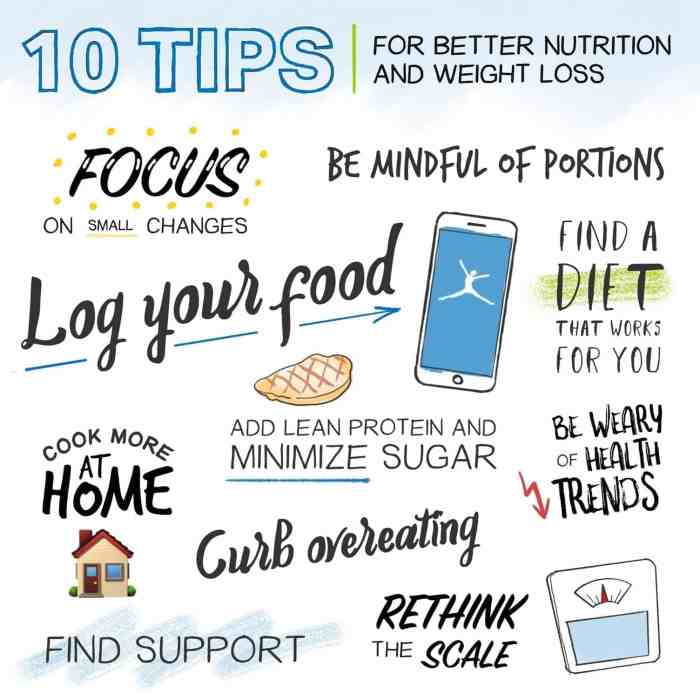
Regular physical activity plays a crucial role in weight loss and overall well-being. Not only does it help burn calories and boost metabolism, but it also improves cardiovascular health, strengthens muscles, and enhances mental well-being.
Benefits of an Active Lifestyle
- Increased calorie expenditure leading to weight loss
- Improved cardiovascular health and reduced risk of chronic diseases
- Enhanced mood and reduced stress levels
- Increased muscle strength and endurance
Difference between Physical Activity and Structured Exercise
- Physical activity refers to any movement produced by skeletal muscles that requires energy expenditure, such as walking, gardening, or taking the stairs.
- Structured exercise, on the other hand, involves planned and repetitive movements with specific goals, like running, weightlifting, or group fitness classes.
- Both physical activity and structured exercise are important for weight loss, with a combination of both yielding optimal results.
Examples of Activities to Incorporate into Daily Routine
- Brisk walking or jogging for at least 30 minutes a day
- Cycling to work or for leisure
- Swimming or dancing as fun ways to stay active
- Strength training exercises using body weight or resistance bands
Tips for Overcoming Barriers to Maintaining an Active Lifestyle
- Schedule physical activity like an important appointment to prioritize it
- Find activities you enjoy to make exercise feel less like a chore
- Start with small, achievable goals and gradually increase intensity and duration
- Involve a friend or family member for accountability and motivation
Cardiovascular Health
Regular cardiovascular exercise is essential for maintaining a healthy heart and promoting weight loss. By engaging in cardio workouts, you can improve your cardiovascular health, strengthen your heart, and boost your metabolism to aid in weight management.
Role of Cardio Exercises
Cardio exercises play a crucial role in improving heart health by increasing blood circulation, reducing cholesterol levels, and lowering blood pressure. Additionally, these workouts help burn calories, making them effective for weight loss and overall fitness.
- Running: A high-impact cardio workout that helps burn calories and improve cardiovascular endurance.
- Cycling: An excellent low-impact exercise that targets the lower body muscles and enhances heart health.
- Jump Rope: A simple yet effective cardio workout that elevates heart rate, burns fat, and improves coordination.
Tips for Monitoring and Improving Cardiovascular Health
Regular cardio exercise is just one aspect of maintaining good heart health. To further enhance your cardiovascular well-being, consider incorporating the following lifestyle changes:
- Monitor your heart rate during workouts to ensure you are working within your target heart rate zone for optimal benefits.
- Incorporate interval training into your cardio routine to challenge your heart and boost calorie burn.
- Eat a heart-healthy diet rich in fruits, vegetables, whole grains, and lean proteins to support cardiovascular function.
- Avoid smoking and limit alcohol consumption to reduce the risk of heart disease and improve overall health.
Healthy Recipes
Incorporating nutritious and balanced recipes into your daily meals is essential for achieving your weight loss goals. These recipes not only help in managing your calorie intake but also provide essential nutrients to support overall health.
The Importance of Meal Planning and Preparation
Meal planning and preparation play a crucial role in maintaining a healthy diet for weight management. By planning your meals ahead of time, you can ensure that you have healthy options available and avoid impulsive, unhealthy choices. Additionally, meal preparation helps in controlling portion sizes and allows you to monitor the ingredients used in your dishes.
Tips for Creating Satisfying Meals
– Include a variety of colorful vegetables in your meals to add nutrients and fiber.
– Opt for lean protein sources such as chicken, fish, tofu, or legumes.
– Use whole grains like quinoa, brown rice, or whole wheat pasta for added fiber and sustained energy.
– Experiment with herbs and spices to enhance the flavor of your dishes without adding extra calories.
– Incorporate healthy fats from sources like avocados, nuts, and seeds in moderation.
Examples of Healthy Snacks
- Greek yogurt with berries and a sprinkle of almonds
- Cucumber slices with hummus
- Rice cakes with mashed avocado and cherry tomatoes
- Apple slices with almond butter
- Carrot sticks with a small portion of guacamole
Mental Resilience
The key to maintaining an active lifestyle for weight loss lies in building mental resilience. This psychological strength allows individuals to bounce back from setbacks, stay focused on their long-term goals, and navigate challenges with a positive mindset.
Strategies for Overcoming Setbacks
- Practice mindfulness: Stay present in the moment and acknowledge your thoughts and feelings without judgment.
- Cultivate a growth mindset: Embrace challenges as opportunities for growth and learning.
- Seek support: Surround yourself with a strong support system of friends, family, or a coach who can provide encouragement and guidance.
Mental Exercises for Weight Loss Support
- Visualization: Imagine yourself achieving your weight loss goals and visualize the steps you need to take to get there.
- Positive affirmations: Repeat positive statements about your abilities and goals to boost your confidence and motivation.
- Gratitude practice: Focus on the things you are grateful for to shift your perspective and maintain a positive outlook.
Tips for Cultivating Resilience
- Set realistic goals: Break down your weight loss journey into smaller, achievable milestones to track your progress and stay motivated.
- Practice self-care: Prioritize activities that promote relaxation, such as meditation, exercise, or hobbies, to reduce stress and enhance resilience.
- Learn from setbacks: Instead of viewing setbacks as failures, see them as opportunities to learn and grow stronger in your weight loss journey.
Immune Support
Active lifestyle habits for weight loss – When it comes to weight loss, immune support plays a crucial role in overall health and well-being. A strong immune system can help the body effectively fight off illnesses and infections, allowing individuals to stay on track with their weight loss goals.
Nutrition and Physical Activity for Immune Health
Nutrition and physical activity are key components in boosting the immune system for optimal health. A balanced diet rich in vitamins, minerals, and antioxidants can help strengthen the immune response, while regular exercise can improve circulation and promote overall wellness.
- Include immune-boosting foods such as citrus fruits, berries, leafy greens, garlic, and yogurt in your daily meals.
- Stay hydrated by drinking plenty of water throughout the day to support immune function.
- Aim to engage in at least 150 minutes of moderate-intensity exercise per week to enhance immune system activity.
Creating a Lifestyle for Immune Health and Weight Loss
It is essential to establish healthy habits that support immune health while working towards weight loss goals. By incorporating immune-boosting foods and regular physical activity into your routine, you can create a lifestyle that promotes overall well-being.
- Focus on getting an adequate amount of sleep each night to allow your body to rest and recover.
- Manage stress through relaxation techniques such as meditation, deep breathing, or yoga to support immune function.
- Avoid smoking and limit alcohol consumption, as these habits can weaken the immune system and hinder weight loss progress.
Stress Relief
Managing stress is crucial for both weight loss and overall health. High levels of stress can lead to emotional eating, poor sleep, hormonal imbalances, and increased fat storage, all of which can hinder weight loss progress and affect overall well-being.
Importance of Stress Management
Implementing stress management techniques is essential for maintaining an active lifestyle and achieving weight management goals. By reducing stress levels, individuals can improve their mental resilience, enhance their mood, and make healthier choices when it comes to food and exercise.
- Practice mindfulness and meditation to calm the mind and reduce stress levels.
- Engage in regular physical activity, such as yoga or walking, to release endorphins and relieve tension.
- Spend time outdoors in nature to promote relaxation and lower cortisol levels.
- Connect with friends and loved ones for emotional support and a sense of community.
- Prioritize self-care activities like reading, taking a bath, or listening to music to unwind and recharge.
Nutritional Balance: Active Lifestyle Habits For Weight Loss
Proper nutrition plays a crucial role in achieving weight loss goals. It is essential to maintain a balance of macronutrients and micronutrients in your diet to support your overall health and wellness while managing your weight effectively.
Importance of Macronutrients and Micronutrients
- Macronutrients, such as carbohydrates, proteins, and fats, provide the body with energy and are essential for proper functioning.
- Micronutrients, including vitamins and minerals, are vital for various bodily processes, such as metabolism, immune function, and cell repair.
- A balanced diet that includes the right combination of macronutrients and micronutrients can help optimize your weight loss efforts.
Tips for Creating Nutritious and Calorie-Conscious Meals, Active lifestyle habits for weight loss
- Focus on whole foods like fruits, vegetables, lean proteins, and whole grains to ensure you are getting essential nutrients without excess calories.
- Avoid processed foods high in added sugars, unhealthy fats, and empty calories that can hinder your weight loss progress.
- Plan your meals ahead of time and include a variety of colors and textures to ensure a diverse nutrient intake.
Examples of Food Combinations for Optimal Nutrition and Weight Loss
- Pairing grilled chicken with quinoa and steamed broccoli provides a balanced meal with lean protein, complex carbs, and fiber for satiety.
- Snacking on Greek yogurt with mixed berries and a sprinkle of nuts offers a mix of proteins, antioxidants, and healthy fats to keep you satisfied between meals.
- A stir-fry with tofu, bell peppers, and brown rice is a nutrient-dense option that delivers a combination of plant-based proteins, vitamins, and minerals.
Answers to Common Questions
How important is consistency in maintaining healthy habits?
Consistency is key in establishing a routine that supports weight loss goals and overall well-being. By staying committed to healthy habits, you pave the way for long-term success.
What are some effective strategies for managing emotional eating habits?
Practicing mindfulness, identifying triggers, and seeking support from a therapist or counselor can help in managing emotional eating habits effectively.
How does stress impact weight loss and how can it be managed?
Stress can lead to weight gain due to increased cortisol levels. Engaging in stress-relief activities like meditation, yoga, or deep breathing can help in managing stress and supporting weight loss efforts.
What role does nutritional balance play in achieving weight loss goals?
Nutritional balance is crucial for providing the body with essential nutrients while maintaining a calorie deficit for weight loss. Focus on incorporating a variety of foods to meet your nutritional needs.


More Stories
Top Supplements for Nutritional Balance: Your Guide to Wellness
Top Foods for a Healthy Heart: Boosting Cardiovascular Health
Hydrations Role in Weight Loss and Metabolism