Healthy Habits
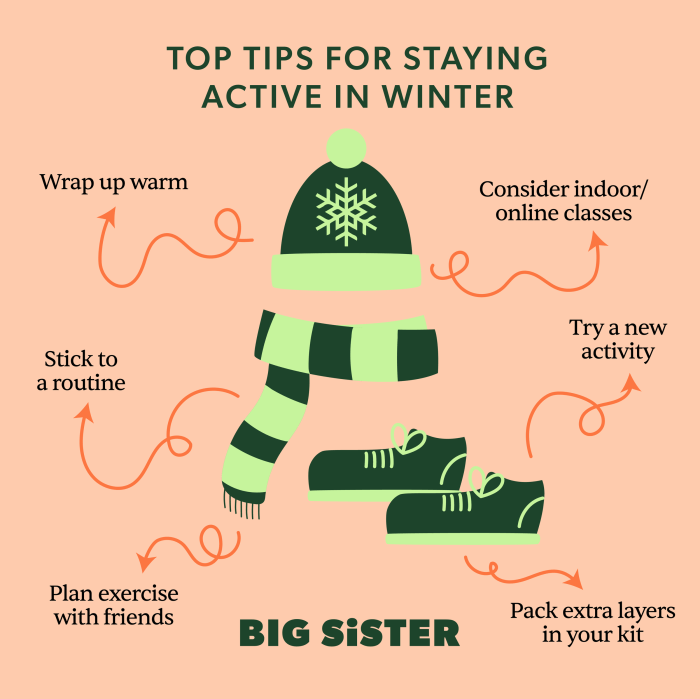
Maintaining healthy habits during the winter season is crucial for overall well-being. These habits not only support physical health but also play a significant role in sustaining an active lifestyle despite the colder temperatures.
Staying Hydrated
- Drink plenty of water throughout the day, even when you may not feel as thirsty as you do in warmer weather.
- Hot beverages like herbal teas and warm water with lemon can also help in staying hydrated and maintaining body temperature.
- Avoid excessive consumption of caffeine and alcohol, as they can dehydrate the body.
Adequate Sleep
Getting enough sleep is essential for recovery and energy levels, especially during the winter months when the body may need more rest to combat the cold weather.
- Ensure a consistent sleep schedule and create a relaxing bedtime routine to promote better sleep quality.
- Keep your bedroom dark, cool, and free of distractions to optimize your sleeping environment.
- Aim for 7-9 hours of sleep per night to support your body’s immune system and overall health.
- Participate in indoor activities: Consider joining a fitness class, swimming at an indoor pool, or using exercise DVDs at home to stay active during colder weather.
- Dress warmly: Layer up with moisture-wicking clothing to stay comfortable while exercising outdoors. Don’t forget gloves, hats, and scarves to protect against the cold.
- Stay hydrated: Even in colder temperatures, it’s important to drink plenty of water before, during, and after physical activity to prevent dehydration.
- Listen to your body: Pay attention to any signs of discomfort or pain while exercising. Take breaks as needed and consult with a healthcare provider before starting a new fitness routine.
- Try low-impact activities: Walking, tai chi, yoga, and swimming are excellent options for older adults looking to improve their fitness without putting too much stress on their joints.
- Yoga or Pilates routines
- Bodyweight exercises like squats, lunges, and push-ups
- Dance workouts or aerobics videos
- Indoor cycling on a stationary bike
- Strength training with resistance bands or dumbbells
- Set specific goals and track your progress
- Find a workout buddy to keep you accountable
- Reward yourself for reaching milestones
- Create a workout schedule and stick to it
- Choose activities you enjoy to make exercise feel less like a chore
- Warm-up exercises: brisk walking, jumping jacks, arm circles
- Cool-down exercises: stretching, walking at a slower pace, deep breathing
- Indoor activities: dancing, aerobics, stationary cycling
- Outdoor activities: cross-country skiing, snowshoeing, ice skating
- Include a variety of seasonal fruits and vegetables in your meals to ensure you are getting a wide range of nutrients.
- Try incorporating winter produce like squash, sweet potatoes, brussels sprouts, and citrus fruits into your recipes.
- Seasonal ingredients are not only fresher and more flavorful but also more affordable.
- Plan your meals ahead of time to ensure you have nutritious options readily available.
- Include a mix of lean proteins, whole grains, healthy fats, and plenty of fruits and vegetables in your dishes.
- Prepare larger batches of meals and portion them out for easy grab-and-go options during busy days.
- Establish a routine: Creating a daily schedule that includes time for physical activity, relaxation, and adequate sleep can help reduce stress levels and improve mental resilience.
- Stay connected: Maintaining social connections with friends and family, whether through virtual gatherings or outdoor activities, can provide emotional support and strengthen resilience.
- Practice gratitude: Taking time to reflect on the things we are grateful for can shift our focus from negativity to positivity, boosting mental toughness and resilience.
- Challenge negative thoughts: Recognize and challenge negative self-talk by reframing them into more positive and realistic perspectives, fostering a resilient mindset in the face of adversity.
- Stay hydrated by drinking plenty of water throughout the day.
- Get an adequate amount of sleep to allow your body to rest and recover.
- Manage stress through relaxation techniques like meditation or yoga.
- Wash your hands frequently and avoid close contact with sick individuals.
- Consider taking supplements like vitamin C or probiotics to support your immune system.
- Practice mindfulness meditation to focus on the present moment and reduce anxiety.
- Allocate a few minutes each day to sit quietly and pay attention to your breath or surroundings.
- Use guided meditation apps or videos to assist you in your practice.
- Engage in regular physical activity to release endorphins and combat stress.
- Try activities like yoga, dancing, or walking in nature to boost your mood.
- Find an exercise routine that you enjoy and make it a part of your daily schedule.
- Prioritize quality sleep by maintaining a consistent bedtime routine and creating a conducive sleep environment.
- Avoid electronic devices before bedtime and practice relaxation techniques like deep breathing or gentle stretches.
- Ensure you get 7-9 hours of sleep each night to support stress management and overall health.
- Include complex carbohydrates like whole grains, fruits, and vegetables to provide sustained energy for outdoor activities.
- Incorporate lean proteins such as poultry, fish, beans, and nuts to support muscle repair and growth.
- Don’t forget healthy fats like avocados, olive oil, and nuts to help absorb fat-soluble vitamins and maintain cell structure.
- Ensure an adequate intake of vitamins and minerals through a variety of colorful fruits and vegetables to boost immunity and overall health.
Emotional Wellbeing
Maintaining emotional wellbeing during the winter is essential for overall health and happiness. The colder months can sometimes bring feelings of sadness or low energy, but there are strategies to help boost mood and mental health.
Connection Between Physical Activity and Emotional Wellbeing
Engaging in regular physical activity has been shown to have a positive impact on emotional wellbeing. Exercise releases endorphins, which are known as “feel-good” hormones that can help reduce feelings of stress, anxiety, and depression. By staying active, you can improve your mood and overall mental health, even during the winter months.
Benefits of Spending Time Outdoors for Mental Resilience
Spending time outdoors, even in colder weather, can have numerous benefits for mental resilience. Exposure to natural light can help regulate your body’s internal clock and improve sleep patterns, which can directly impact your mood and mental health. Additionally, being in nature has been linked to reduced feelings of anxiety and increased feelings of relaxation and calmness. So, make sure to bundle up and get outside for a refreshing boost to your emotional wellbeing this winter.
Healthy Aging
Regular physical activity plays a crucial role in promoting healthy aging, especially during the winter months. Staying active can help older adults maintain their physical health, cognitive function, and emotional well-being.
Importance of Exercise for Healthy Aging, Tips for maintaining an active lifestyle during winter
Exercise is essential for maintaining mobility and independence as we age. It helps improve balance, strength, flexibility, and overall physical function, reducing the risk of falls and injuries. Engaging in regular physical activity can also help manage chronic conditions such as arthritis, heart disease, and diabetes, which become more common as we grow older.
Active Lifestyle
Maintaining an active lifestyle during winter can be challenging, but it is essential for overall health and well-being. Finding ways to stay active indoors can help combat the winter blues and keep you energized. Here are some tips to help you stay active during the colder months.
Examples of Indoor Exercises
Tips for maintaining an active lifestyle during winter – When the weather outside is frightful, there are plenty of indoor exercises you can do to keep moving. Some examples include:
Benefits of Variety in Workout Routines
Incorporating variety into your winter workout routines not only helps prevent boredom but also targets different muscle groups and prevents overuse injuries. Mixing up your exercises can also challenge your body in new ways, leading to better overall fitness and performance.
Tips for Staying Motivated in Colder Weather
Staying motivated to exercise regularly during winter can be tough, but it’s crucial for maintaining an active lifestyle. Here are some tips to help you stay on track:
Cardiovascular Health: Tips For Maintaining An Active Lifestyle During Winter
Cold weather can have a significant impact on cardiovascular health, as the drop in temperatures can cause blood vessels to constrict, leading to increased blood pressure and heart rate. To mitigate these risks, it is crucial to stay active and maintain a healthy lifestyle during the winter months.
Importance of Warm-up and Cool-down Exercises
Warm-up and cool-down exercises are essential for heart health during winter. A proper warm-up helps increase blood flow to the muscles and prepares the heart for exercise, while a cool-down helps prevent muscle soreness and allows the heart rate to gradually return to its resting state.
Cardiovascular Exercises for Winter
Staying active with cardiovascular exercises is key to maintaining heart health in colder months. Indoor activities such as dancing, aerobics, and cycling on a stationary bike can help keep your heart strong and healthy. If you prefer outdoor activities, consider layering up and trying activities like cross-country skiing, snowshoeing, or ice skating.
Healthy Recipes
Incorporating nutritious recipes into your winter meals is essential for supporting an active lifestyle. Here are some tips to help you stay healthy and energized during the colder months.
Seasonal Fruits and Vegetables
Meal Planning for a Balanced Diet
Mental Resilience
Regular physical activity plays a crucial role in improving mental resilience, especially during the winter months when the lack of sunlight and colder temperatures can impact our mood and overall well-being. Engaging in exercises such as yoga, running, or even a brisk walk can help release endorphins, also known as the “feel-good” hormones, which can reduce stress, anxiety, and symptoms of depression.
Role of Mindfulness Practices
Practicing mindfulness techniques, such as meditation or deep breathing exercises, can significantly enhance resilience during the winter. By focusing on the present moment and being aware of our thoughts and feelings without judgment, we can better manage stress, improve concentration, and cultivate a sense of inner peace even in challenging situations.
Techniques for Managing Stress and Building Mental Toughness
Immune Support
Maintaining a strong immune system is crucial, especially during the winter months when colds and flu are more prevalent. Let’s explore how physical activity and a well-balanced diet play a significant role in supporting immune health during this season.
Physical Activity and Immune System Function
Regular physical activity can boost the immune system by promoting good circulation, which allows immune cells to move freely throughout the body. Exercise also helps reduce inflammation and can improve the body’s response to pathogens, making it more resilient to infections.
Benefits of a Well-Balanced Diet
A diet rich in fruits, vegetables, whole grains, lean proteins, and healthy fats provides essential nutrients that support immune function. Key nutrients like vitamin C, vitamin D, zinc, and antioxidants play a crucial role in maintaining a strong immune system. Including these foods in your daily meals can help protect against illness and keep you healthy during the winter.
Tips for a Strong Immune System
Stress Relief
Winter months can bring added stress with colder weather and shorter days. Managing stress is crucial for overall health and wellbeing, especially during this time. Here are some strategies to help you reduce stress levels and maintain an active lifestyle:
Mindfulness Meditation
Physical Activity
Healthy Sleep Habits
Nutritional Balance
Maintaining a proper nutritional balance is crucial for sustaining an active lifestyle during the winter months. The food we consume plays a significant role in providing the energy and nutrients needed to support physical activity, especially in colder weather.
Macronutrients and Micronutrients
Balancing macronutrients such as carbohydrates, proteins, and fats is essential for fueling the body and promoting muscle recovery during winter activities. Additionally, micronutrients like vitamins and minerals play a key role in supporting immune function and overall wellbeing, helping to combat the winter blues and stay healthy.
Common Queries
How important is it to stay hydrated during winter?
Staying hydrated is crucial in winter to support overall health, as the cold weather can lead to increased dehydration.
What are some indoor exercises suitable for winter?
Indoor exercises like yoga, Pilates, and bodyweight workouts are great options to maintain an active lifestyle during winter.
How can older adults safely engage in physical activities during colder temperatures?
Older adults can engage in low-impact exercises like walking, swimming, or tai chi to stay active while being mindful of slippery surfaces and icy conditions.


More Stories
Top Supplements for Nutritional Balance: Your Guide to Wellness
Top Foods for a Healthy Heart: Boosting Cardiovascular Health
Hydrations Role in Weight Loss and Metabolism